
The Effectiveness of Behavioral Training in Pets with Special Needs

Exploring the Role of Behavioral Training in Improving the Lives of Special Needs Pets
Pets with special needs often require more than just love and affection; they need consistent, specialized training to navigate the world around them. Behavioral training isn’t merely a tool for obedience; it is a comprehensive strategy designed to address unique challenges that these animals face. By actively engaging in behavioral training, pet owners can significantly enhance their pet’s quality of life, improve their behavior, and foster healthier social interactions.
One critical aspect of this training is the use of individualized techniques. Each pet has distinct needs based on their conditions, whether they are physical disabilities, behavioral issues, or sensory impairments. For example, a dog with hearing loss may require visual cues instead of verbal commands during training sessions. Tailoring approaches ensures that pets are not only taught effectively but also feel supported and understood.
Positive reinforcement is another essential component of successful behavioral training. By rewarding desired behaviors with treats, praise, or playtime, owners can encourage repetition of those behaviors in a way that feels rewarding rather than punitive. Research indicates that animals trained using positive reinforcement exhibit lower stress levels and faster learning rates. For instance, a cat with anxiety might flourish in a training environment where it receives treats for coming out of hiding, gradually building its confidence and willingness to engage with its environment.
Additionally, socialization opportunities are vital. Behavioral training provides a structured environment for special needs pets to interact with other animals and humans. Social settings like training classes or supervised play dates can alleviate fear and anxiety, promoting a more robust social life. These experiences not only help manage behavioral issues but also contribute to an overall happier pet. For example, a dog that initially shows aggression towards newcomers may learn to relax and even enjoy their company over time.
Studies show that pets with disabilities or behavioral challenges benefit significantly from consistent and patient training strategies. Many owners report transformative changes in their pets’ behavior and social interactions, reflecting improvements in obedience, confidence, and even relaxation. Such progress often leads to a strengthening of the bond between pet and owner. A well-trained pet behaves more predictably, leading to less stress in day-to-day interactions and a more fulfilling shared life.
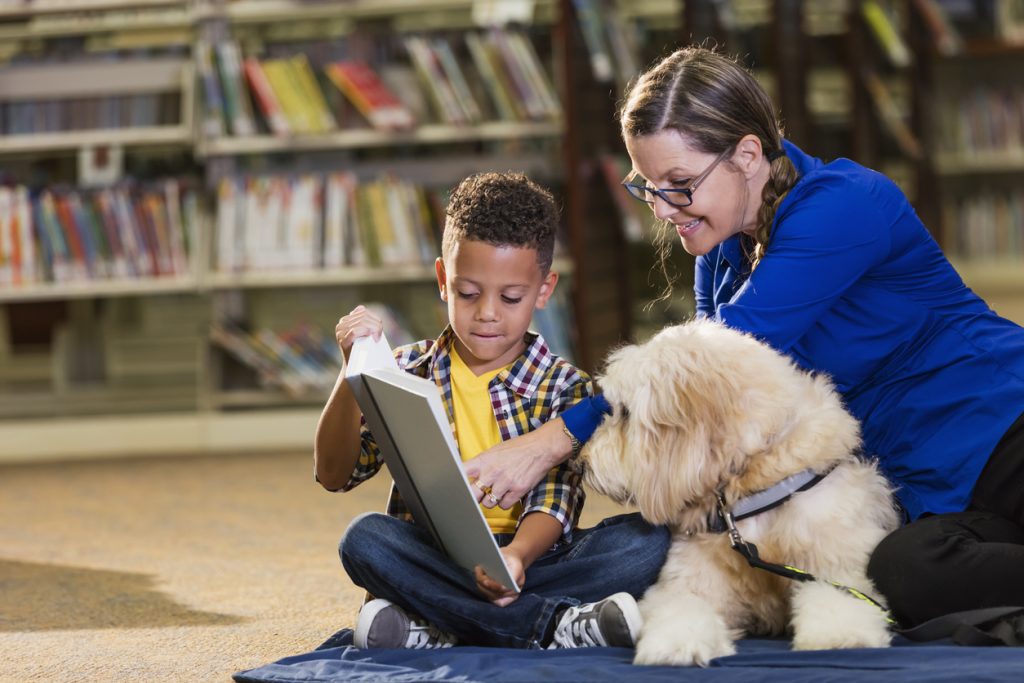
In this article, we delve into various methods and the profound benefits of behavioral training for special needs pets. By examining research findings and expert opinions, we aim to offer pet owners practical insights that can illuminate the path to better care and a more rewarding experience for both pets and their human companions.
The Importance of Customized Approaches in Behavioral Training
Behavioral training is particularly effective for pets with special needs when owners adopt customized approaches that cater to their individual challenges. Understanding a pet’s unique circumstances—such as cognitive impairments, physical limitations, or sensory deficits—is crucial for developing a training method that resonates with them. This approach can lead to remarkable improvements in behavior, emotional well-being, and overall quality of life.
For instance, a dog with mobility issues may struggle with traditional training commands that require physical agility. In such cases, adopting a training strategy that emphasizes verbal cues, light touch, or even specific gestures can make a world of difference. The human-animal bond deepens as training becomes a collaborative effort that acknowledges and respects the pet’s abilities and limitations. By fostering an inclusive training environment, owners empower their pets to learn at their own pace.
Key Components of Effective Behavioral Training
Several key components contribute to the effectiveness of behavioral training for special needs pets:
- Consistency: Regular training sessions help reinforce learned behaviors, providing pets with the stability they need to thrive.
- Patience: Understanding that progress may take longer for special needs pets encourages a positive training atmosphere.
- Environment: A training environment free from distractions can enhance focus and learning, especially for pets with sensory processing issues.
- Professional Guidance: Consulting with an animal behaviorist or a certified trainer experienced in special needs animals can provide tailored strategies that benefit both the pet and owner.
Scientific research supports the notion that pets with special needs often respond favorably to behavioral interventions when they are tailored to their specific situations. A study published in the Journal of Veterinary Behavior noted significant improvements in the overall well-being of dogs undergoing individualized training plans compared to those receiving standard training approaches. These findings emphasize the need for pet owners to actively pursue knowledge and resources that cater to their special needs pets.
Moreover, the skills learned through behavioral training can extend beyond simple commands; they can encompass essential life skills that improve a pet’s adaptability. For example, a cat with vision impairment might learn to recognize specific sounds associated with feeding time or safe pathways within the home. This adaptability not only enriches the pet’s experience but also alleviates the stress that may arise from uncertainty in their environment.
As we delve further into the effectiveness of behavioral training, it becomes clear that understanding the nuances of each special needs pet sets the stage for achieving remarkable transformations. Training is not a one-size-fits-all solution; rather, it is a journey rooted in empathy, understanding, and commitment. Through this exploration, we aim to equip pet owners with the tools and insights necessary to realize the potential benefits of behavioral training in enhancing the lives of their beloved pets.
| Advantages | Details |
|---|---|
| Enhanced Communication | Behavioral training helps special needs pets to better understand their owner’s cues, facilitating effective communication. |
| Improved Social Skills | Training teaches pets how to interact with others, fostering positive relationships with humans and fellow animals. |
| Increased Confidence | Through positive reinforcement, special needs pets can build their self-esteem, making them more adaptable to new environments. |
| Customization of Techniques | Trainers often tailor methods specifically for each pet, ensuring that their unique challenges are addressed effectively. |
Behavioral training can significantly affect the well-being of special needs pets. It is vital to understand that every animal has individual requirements, and specific techniques can cater to their unique circumstances. The success of such approaches often leads to improved quality of life.Moreover, the evidence supporting the effectiveness of behavioral training is vast. Many trainers have reported remarkable improvements in areas such as anxiety reduction and behavioral transformation. The strategies utilized in these training programs often include practical exercises that promote understanding and emotional stability in pets.Incorporating this form of training into the routine ensures a healthier, happier pet. As many pet owners have discovered, investing in behavioral training can be a transformative experience, leading to lasting positive changes in pet behavior and overall happiness.
Understanding the Role of Positive Reinforcement
One of the cornerstones of effective behavioral training for pets with special needs is the utilization of positive reinforcement. This method focuses on rewarding desired behaviors rather than punishing undesired ones, creating a more supportive and encouraging learning environment. By employing positive reinforcement techniques, pet owners can help their special needs companions not only learn commands but also navigate complex social situations and adapt to changing environments.
For instance, consider a dog with anxiety issues. A traditional training method may exacerbate the pet’s stress, making it less likely for the dog to respond to commands effectively. In contrast, a positive reinforcement strategy that involves gently rewarding the pet for calm behavior can lead to significant improvements over time. According to a study published in the Journal of Applied Animal Welfare Science, dogs undergoing positive reinforcement training showed a marked decrease in fear-related behaviors, suggesting that this approach works particularly well for animals with emotional sensitivities.
Tailoring Techniques for Specific Needs
Each pet with special needs may require a distinct set of techniques within the framework of positive reinforcement. For example, pets with hearing impairments may respond well to visual signals, such as hand gestures or lights. A dog that cannot hear a command can be taught to sit or stay by associating a specific gesture with the behavior. This not only illustrates the adaptability of training techniques but also highlights the need to align instructions with a pet’s abilities.
- Visual Cues: Deaf pets can thrive with well-defined visual signals, making it easier for them to respond appropriately during training sessions.
- Tactile Signals: For animals with limited vision, touch-based cues can offer guidance without reliance on sight, leading to enhanced understanding.
- Multi-Sensory Reinforcement: Combining auditory, visual, and tactile cues creates a rich training experience that can cater to various special needs.
Moreover, the implementation of enrichment activities can play a significant role in enhancing behavioral training outcomes. Activities such as puzzle toys or scent trails not only stimulate a pet’s mental faculties but also encourage them to engage with their environment in positive ways. These activities can be tailored to address specific challenges, thus reinforcing the lessons learned in training sessions. For example, a visually impaired dog might benefit from scent-based enrichment, allowing them to identify their surroundings and become more confident in navigating their home.
Engaging the community can also be a powerful tool in the behavioral training process. Resources such as local support groups, online forums, or even workshops specifically geared toward special needs pets can provide valuable insights and shared experiences from other pet owners. These platforms can help owners acquire new training strategies and offer emotional support, creating a network of shared knowledge that can improve outcomes for both pets and their humans. Additionally, local animal shelters and rescue organizations often provide resources and specialized training programs, demonstrating the importance of community involvement in education.
Therefore, the combination of positive reinforcement, tailored techniques, and community engagement forms a robust foundation for effective behavioral training. Such an approach is not only beneficial in teaching new skills but also promotes a deeper understanding and appreciation of the unique challenges faced by pets with special needs, ultimately enriching the bond between pets and their owners.
Conclusion: Enhancing Lives through Tailored Behavioral Training
In conclusion, the effectiveness of behavioral training in pets with special needs is profoundly influenced by a combination of positive reinforcement, individualized techniques, and community support. This comprehensive approach not only aids in teaching commands and behaviors but also plays a pivotal role in enhancing the psychological well-being of pets facing unique challenges.
As we have explored, positive reinforcement creates a nurturing environment that bolsters the learning process, especially for animals who experience fear or anxiety. Tailoring training techniques to meet specific needs—whether through visual cues for deaf pets or tactile signals for those with limited vision—demonstrates the adaptability required in addressing diverse challenges. Furthermore, incorporating enrichment activities encourages engagement and helps solidify the lessons learned during training.
Additionally, community involvement, such as online forums or local workshops, can provide vital emotional support and shared strategies that enrich the training experience for pets and their owners alike. The bonds formed and strengthened through this process contribute to a deeper mutual understanding, fostering trust and resilience between pets and their humans.
Ultimately, by embracing a well-rounded approach to behavioral training, pet owners can unlock the full potential of their special needs companions. Encouraging continuous learning and adaptation paves the way for greater autonomy and enriches the lives of both pets and their owners. Those looking to invest time and effort into training should explore these methods further to ensure their beloved pets thrive.