
How Behavioral Training Can Help Integrate Pets into Families with Children

Enhancing Family Dynamics Through Behavioral Training
Integrating a pet into a family with children can be a rewarding yet challenging experience. Behavioral training plays a crucial role in ensuring a harmonious relationship between pets and kids. By addressing specific behavioral issues, training can help create a safe and enjoyable environment for everyone. A well-trained pet can enhance the family dynamic, fostering companionship and helping children feel more secure around their furry friends.
Many families consider adopting a pet for various reasons, such as:
- Companionship for children: Pets provide unwavering support and friendship, becoming loyal confidants for kids.
- Teaching kids responsibility: Having a pet helps children learn valuable life skills, such as empathy, patience, and routine care through feeding, grooming, and exercising.
- Encouraging physical activity: Dogs, in particular, require regular walks and playtime, which in turn motivates children to be active and engage in outdoor activities.
However, without proper training, pets can exhibit undesirable behaviors that might endanger both the animal and the children. These challenges can include:
- Excessive barking or whining: This can disturb family life and annoy neighbors, especially in urban settings.
- Chewing on furniture or toys: Unruly chewing behavior can lead to damage in the home and potential harm to the pet if they ingest harmful items.
- Inappropriate jumping or aggression: If pets jump on children or show aggressive tendencies, this can lead to serious accidents or fears that may linger long after the event.
Addressing these behaviors through effective training methods not only enhances the pet’s social skills but also reinforces positive interactions with children. For instance, implementing positive reinforcement methods, such as rewarding desired behaviors with treats or praise, can significantly improve a pet’s manners. Techniques like clicker training can also be effective, allowing pets to associate their good behavior with immediate rewards.
Furthermore, training sessions can foster bonding time between children and their pets. Involving kids in the training process teaches them to communicate effectively with their animals and builds trust. Moreover, exploring obedience classes or engaging with a professional trainer can be a fun family outing, where everyone learns together.
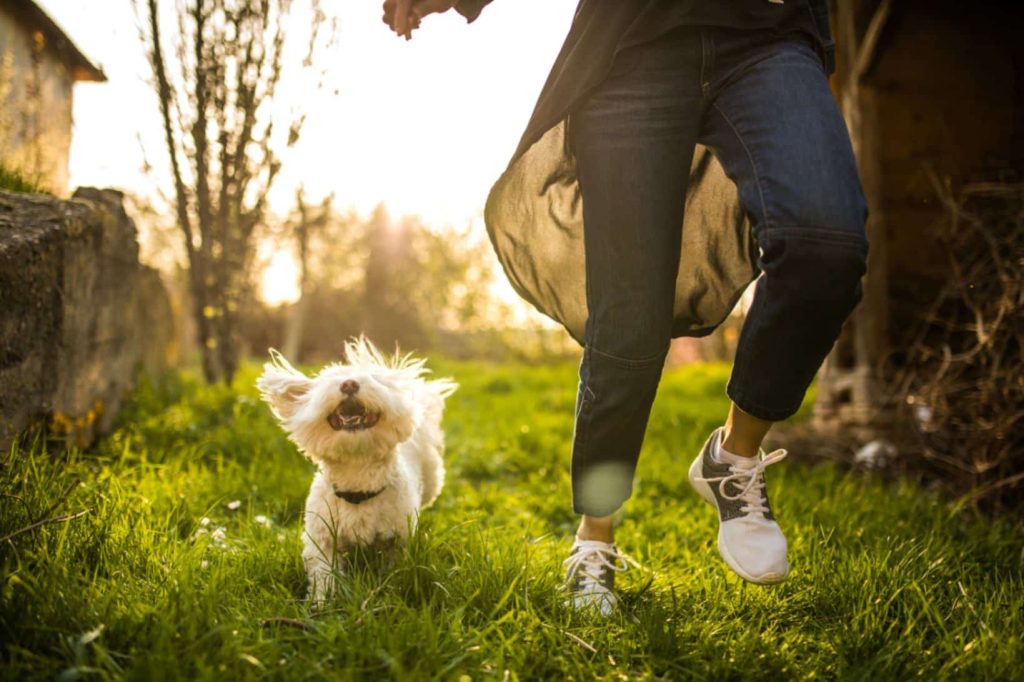
Therefore, understanding the different types of behavioral training is essential for families considering pet ownership. In this article, we will explore various training techniques, their benefits, and how they foster a better relationship between pets and children. Let’s delve into how behavioral training can transform your family dynamics, ensuring not just a pet, but a beloved family member who fits seamlessly into your daily life.
Understanding Behavioral Training Techniques
Behavioral training encompasses a variety of methods designed to shape and modify a pet’s behavior, ensuring that pets are not only well-adjusted but also safely integrated into a family environment. For families with children, several key behavioral training techniques stand out, each offering unique benefits that help create a positive living situation for pets and kids alike.
Positive reinforcement is one of the most widely used approaches in behavioral training. This method focuses on rewarding desirable behaviors rather than punishing undesirable ones. For example, when a dog sits on command, giving it a treat or verbal praise rewards that behavior, encouraging the dog to repeat it. This not only enhances the dog’s obedience but also fosters a trusting relationship between pets and children, making them feel more confident in their interactions. Parents can involve their children in this training process, allowing them to offer treats and praise, thereby nurturing a sense of responsibility and connection.
Another important technique is desensitization, which is particularly useful for pets that may exhibit fear or anxiety around children. This systematic approach involves gradually exposing pets to children in a controlled environment, helping them become accustomed to the presence and behavior of kids. For instance, a dog fearful of sudden movements can benefit from being introduced to gentle, slow movements while rewarding calm behavior. Over time, this can reduce the pet’s anxiety and prevent potential aggressive tendencies, ensuring a safer bond for both the pet and the children.
In addition to these methods, socialization plays a critical role in behavioral training. Introducing pets to various environments, people, and other animals helps them develop appropriate social skills. This is essential for dogs that may react poorly to new stimuli, such as children running or making sudden noises. Regular visits to dog parks, obedience classes, or even family gatherings where pets can interact with well-behaved children can enhance their comfort levels and adaptability.
Moreover, engaging in training sessions can become a rewarding family activity. By setting aside time each week for training, families create opportunities for bonding, shared experiences, and laughter as they work together towards a common goal. Families can transform training sessions into fun activities with games that enhance both learning and companionship, allowing children to see firsthand how their actions contribute to the pet’s development.
Finally, it is important to recognize the potential impact of professional training programs. Enrollment in classes led by experienced trainers can offer families valuable resources and support. These classes often teach foundational commands that are crucial for pet management and safety, equipping both pets and caregivers with the necessary skills to thrive in a family setting.
As families embark on the journey of integrating a pet, understanding these behavioral training techniques and their applications can lay the groundwork for a harmonious home. By prioritizing proper training, families can ensure a nurturing environment where both pets and children benefit, cultivating trust and safety as they grow together.
Understanding the Benefits of Behavioral Training
Behavioral training plays a crucial role in fostering a harmonious relationship between pets and family members, especially when children are involved. As households increasingly embrace the presence of furry companions, it’s essential to approach the integration of pets with care and understanding. The benefits of behavioral training extend beyond just teaching commands; they encompass a variety of critical aspects that together contribute to healthy family dynamics.
| Advantage | Description |
|---|---|
| Enhanced Communication | Behavioral training helps develop a better understanding between pets and children, making communication smoother. |
| Safety for Children | Training reduces the risk of unwanted behaviors from pets, ensuring a safe environment for kids to interact with them. |
| Emotional Bonding | Through training, pets learn to trust family members, which enhances their emotional connection with children. |
| Positive Reinforcement | Training often involves positive reinforcement, which fosters happier interactions and reduces stress within the household. |
Understanding and implementing effective behavioral training methods not only benefits the pet but also enriches the lives of the children involved. This leads to stronger relationships, leading families to create lasting memories together with their beloved pets. The journey of integrating pets into homes with children can seem daunting, but with the right approach and techniques, it becomes a rewarding experience for everyone involved.
The Role of Consistency and Routine in Behavioral Training
Consistency is a cornerstone of effective behavioral training and is vital when integrating pets into families with children. Pets thrive in environments where routines are established, as this predictability provides them with a sense of security. For families, creating a structured schedule that includes feeding times, training sessions, walks, and playdates can significantly enhance the overall training experience for both pets and children.
Routine allows pets to understand what is expected of them, which can mitigate anxiety and behavioral issues. For example, setting aside daily time for leash training or practicing basic commands helps pets learn how to behave around children, reinforcing desired behaviors. Additionally, children can play active roles in maintaining this routine, such as feeding their pets or taking them for walks, fostering a sense of accountability and nurturing an emotional bond.
Furthermore, families should remain consistent in the commands and cues they use during training. Divergence in terminology can confuse pets; thus, establishing a clear and unified set of commands ensures all family members are on the same page. Parents can lead by example, showcasing how to communicate effectively with the pet while instructing children on the importance of this clarity.
Incorporating Training into Family Activities
Integrating behavioral training with family activities can make learning enjoyable and less of a chore for both pets and children. For instance, families can incorporate games such as fetch or agility courses into training sessions. These activities not only provide physical exercise but also stimulate the pet’s mental faculties. A simple game of fetch can transform into an opportunity to practice retrieval commands, rewarding positive responses with praises or treats.
Moreover, outings to dog-friendly environments, like parks or pet-friendly cafes, can serve as practical training grounds. These outings expose pets to distractions such as other dogs and children, providing a rich landscape for socialization. During these experiences, parents can guide their children on how to interact appropriately with their pets and teach boundaries, ensuring that both humans and animals feel secure.
Addressing Behavioral Challenges
Part of successful integration involves recognizing and addressing behavioral challenges that may arise as pets adjust to their new family life. For example, if a dog displays signs of jealousy when children are playing, implementing a time-out system may help. When the dog acts out, it can be calmly removed from the situation to allow it to regain composure. This method not only helps to correct undesirable behavior but also teaches children valuable lessons about empathy and patience.
In instances where pets exhibit fear of children, targeted training becomes essential. Working with a professional behaviorist can provide further insights into appropriate strategies tailored to each pet’s needs. Utilizing techniques such as counter-conditioning can change a pet’s emotional response, helping them adopt a more positive perspective when interacting with children. This approach also educates children on understanding pet behavior, equipping them with knowledge about how to approach and handle animals responsibly.
Emphasizing the importance of patience and support throughout the behavioral training journey can enhance the relationship dynamics within the family. Continuous positive reinforcement, regular training, and an understanding of pet behavior collectively contribute to a happier, harmonious household where pets and children can coexist harmoniously.
Conclusion: Building Harmonious Relationships Between Pets and Children
Integrating pets into families with children is a rewarding venture that enriches the lives of all involved, but it requires proactive measures to ensure success. As highlighted throughout this article, behavioral training is fundamental in achieving a seamless coexistence. By establishing consistent routines, families can create a nurturing environment that promotes security and predictability for both pets and children.
Moreover, incorporating training into family activities not only makes learning enjoyable but also fosters lasting bonds between children and their pets. It transforms mundane training sessions into exciting adventures, highlighting the importance of collaboration in nurturing these relationships. The key lies in adapting training methods to each pet’s unique personality and challenges; recognizing behavioral issues and addressing them with empathy is essential.
Families should view this journey as an opportunity for growth, patience, and learning. Teaching children effective communication and understanding of pet behavior cultivates responsible pet ownership, while positive reinforcement solidifies desirable behaviors. Ultimately, the harmonious integration of pets into family life requires dedication and a commitment to ongoing training, which brings immeasurable joy, companionship, and mutual understanding. By prioritizing behavioral training, families not only enhance the quality of life for their pets but also pave the way for positive life lessons and memories that children will cherish for years to come.