
The Influence of Dog Breeds on Owners’ Personality

Understanding the Connection Between Dog Breeds and Their Owners
Every dog breed comes with its distinct characteristics, and these traits can have a surprising impact on the personality of their owners. Research indicates that owning a specific breed may reflect or even shape a person’s behavioral patterns and emotional traits. This fascinating advantage of the human-animal bond prompts us to examine not only what pet we choose but also why we lean toward certain breeds, unraveling a deeper understanding of our personalities.
- Active individuals often gravitate toward energetic breeds like Border Collies or Labrador Retrievers. With their high intelligence, agility, and playful nature, these breeds encourage physical activity and engagement. An individual who enjoys outdoor activities such as hiking, running, or engaging in dog sports is likely to feel a connection with breeds that thrive on such excitement. This mutually beneficial relationship enables owners to maintain an active lifestyle while fulfilling the needs of their dogs.
- More laid-back owners might choose breeds such as Bulldogs or Basset Hounds that mirror their calm demeanor. Bulldogs, with their relatively slow-paced lifestyle, and Basset Hounds, known for their love of lounging, attract those who prefer a relaxed environment. For instance, a retiree or a busy professional seeking companionship after work may find great joy in the tranquility these breeds provide, creating a wonderfully symbiotic existence.
- Social butterflies may be drawn to friendly breeds like Golden Retrievers, which are known for their sociable nature. This breed’s friendly disposition naturally facilitates social interactions, making outings to parks or community events a fun experience for both owner and dog. The presence of a Golden Retriever can serve as an icebreaker, enhancing the owner’s social interactions and helping them forge new friendships.
This interplay between dog breeds and owner personalities invites us to explore how our selection of pets reflects not only our own traits but also impacts our daily lives. For example, identifying with a breed’s characteristics can enhance one’s self-esteem and overall happiness. Research has shown that pet ownership is linked to numerous mental health benefits, including lower levels of anxiety and depression. Dogs provide emotional support, making them invaluable companions for individuals from various walks of life.
As we delve deeper into this topic, we’ll explore:
- The psychological traits associated with different dog breeds, including how certain breeds may be more suitable for particular lifestyles or emotional needs.
- How interactions with various breeds can influence social behaviors, offering insights into the ways pet ownership can expand one’s social circle and support networks.
- The implications of breed characteristics on lifestyle choices and preferences, shedding light on how our choice of dog might guide our hobbies, social engagements, and personal growth.
Join us on this enlightening journey to uncover the profound influence of dog breeds on their owners’ personalities. By understanding this connection, you may discover new facets of your character and find inspiration to rethink your own pet choices.
Exploring the Psychological Traits Linked to Dog Breeds
The connection between a dog’s breed and its owner’s personality extends into the realm of psychology, weaving a rich tapestry that reflects individual differences among pet owners. Understanding these traits can provide insights into why certain breeds appeal to specific personality types. Research in pet ownership psychology reveals intriguing patterns, indicating that our choice of dog may not just fulfill a desire for companionship but also align with our innate characteristics.
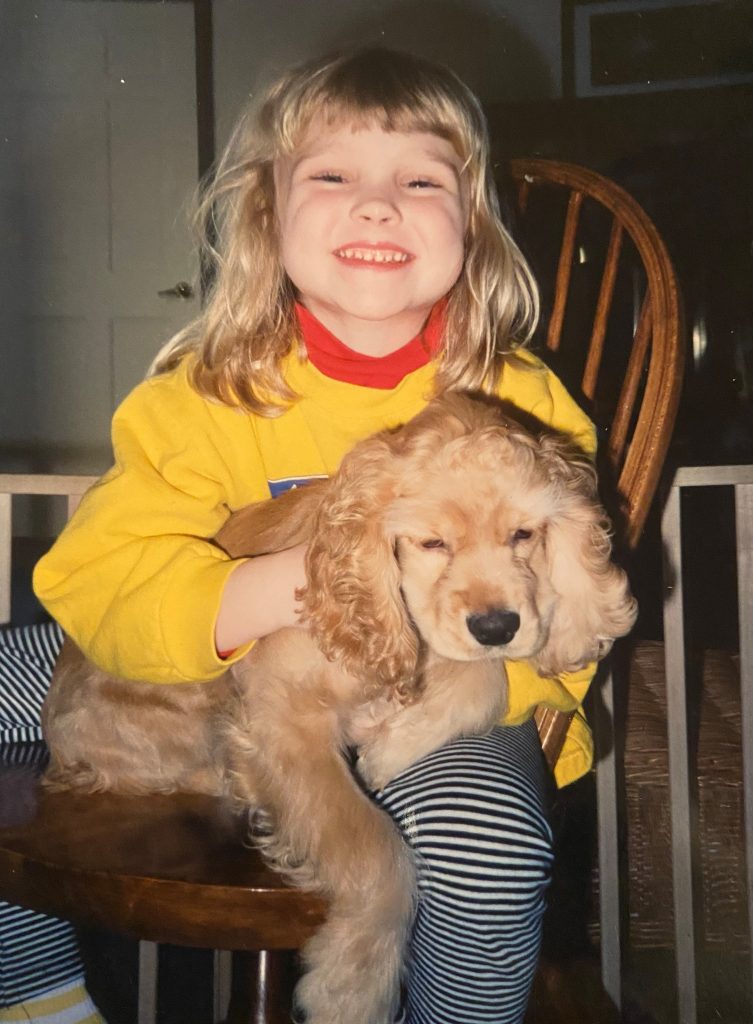
Highly active breeds such as Australian Shepherds and Siberian Huskies often attract individuals who lead dynamic lifestyles. The vigorous energy demands of these breeds resonate with owners who thrive on activity. A study conducted by the University of Nevada found that people who own active breeds tend to exhibit higher levels of vitality and joy in their own lives. These breeds motivate their owners to remain engaged and maintain a routine that includes regular exercise, thus promoting both physical health and emotional well-being.
In contrast, gentle breeds like Cavalier King Charles Spaniels or Shih Tzus not only appeal to those who seek a calm companion but also attract owners with more laid-back, nurturing personalities. These breeds often reflect a need for tranquility and companionship rather than impulsivity or high-energy activities. Owners of small, gentle breeds may find comfort in their low-maintenance, affectionate nature, which can be particularly appealing for individuals who manage busy lives filled with responsibilities. Furthermore, studies suggest that nurturing dogs can heighten empathy and emotional intelligence, further enhancing these traits in their owners.
The Impact of Temperament on Lifestyle Choices
The interplay between dog breeds and owner temperament extends into lifestyle choices as well. Consider the protective nature of breeds like Rottweilers and German Shepherds, which often attract individuals who prioritize security and loyalty, reflecting their own values. Owners of such breeds may exhibit a strong need for structure and control, mirroring these breeds’ instinctual roles as guardians. This sense of control may influence their choices in both personal and professional arenas, leading them toward more resolute life decisions.
Conversely, more sociable breeds, such as Beagles or Poodles, tend to attract those who value connection and community. These breeds generally have a friendly disposition and a knack for making new friends, inspiring their owners to engage socially. People who resonate with these breeds often prioritize social interactions, actively seeking environments that provide opportunities for group activities or community events. Not only does this enhance their social circle, but it also reinforces important social skills, further shaping their personalities and interactions.
- High-energy breeds: Australian Shepherds, Labrador Retrievers
- Gentle breeds: Cavalier King Charles Spaniels, Shih Tzus
- Protective breeds: Rottweilers, German Shepherds
- Sociable breeds: Beagles, Poodles
As we uncover the distinct psychological traits influenced by dog breeds, we begin to see not only the direct impact on owner behavior but also the indirect influence on life choices. It raises essential questions regarding pet ownership, personal growth, and the multi-dimensional aspects of the human-animal bond. Ultimately, understanding these dynamics encourages individuals to carefully consider how different breeds align with their own personalities and lifestyles.
| Dog Breed Characteristics | Owner Personality Traits |
|---|---|
| Labrador Retriever | Friendly, sociable, and easy-going attitude |
| German Shepherd | Loyal, confident, and protective demeanor |
| Bulldog | Calm, courageous, and resilient nature |
| Dachshund | Curious, bold, and independent personality |
The relationship between dog breeds and their owners’ personalities reflects a fascinating interplay that often goes unnoticed. Owners of Labrador Retrievers are typically marked by their warm and friendly nature, mirroring the breed’s sociable disposition. This strong bond tends to cultivate an environment of openness and community. Conversely, German Shepherd owners often exhibit traits of loyalty and confidence, embodying the protective characteristics that define the breed. Moreover, the Bulldog is emblematic of calmness and resilience, often attracting owners who appreciate stability and strength in character. In contrast, those who are drawn to Dachshunds might demonstrate a bold and adventurous spirit, as indicated by the breed’s curious and independent nature. The connection between specific breeds and personality traits not only offers insights into human behavior but also opens the door for enriching relationships that extend beyond the leash. Curious about how other breeds influence their owners’ personalities? Stay tuned as we explore more intriguing pairings and their implications for companionship and lifestyle.
The Social Dynamics of Dog Ownership and Its Influence on Personality
In addition to individual personality traits, the dog breeds chosen by owners also influence their social dynamics, further illuminating the complex interplay between breed characteristics and owner personalities. Certain breeds not only shape their owners’ lifestyles but also affect how they relate to others and navigate social environments.
For example, family-oriented breeds such as Golden Retrievers and Labrador Retrievers often attract individuals who prioritize family and friendships. These breeds inherently possess friendly and gentle temperaments, making them excellent companions for social gatherings or family events. Owners of these breeds typically enjoy entertaining and engaging with others, which enhances their sociability and reinforces their nurturing instincts. Moreover, the breed’s playful nature often encourages outdoor activities and social outings, facilitating connections with family and community members alike. This association between breed and family focus is particularly relevant in the United States, where pet ownership trends indicate a strong preference for family-friendly dog breeds.
In contrast, owners of working breeds such as Boxers or Doberman Pinschers may have more dominant personalities. These breeds require owners who can assert control while providing leadership. Interestingly, individuals who choose working dogs often exhibit traits associated with ambition and independence. The relationship between such breeds and their owners often hinges on mutual respect, mirroring dynamics found in professional environments. Consequently, these pet owners may thrive in competitive job markets or seek leadership roles in various aspects of their lives, informed by the responsibilities associated with owning assertive, energetic breeds.
Therapeutic Benefits and Emotional Growth through Dog Ownership
Beyond the social implications, dog ownership has been linked to significant emotional and psychological benefits that can profoundly shape an owner’s personality. Therapy breeds such as the well-loved Bichon Frise or Cavalier King Charles Spaniel are renowned for their calming presence and affectionate nature. Typically chosen by individuals seeking companionship and emotional support, these dogs can enhance their owners’ emotional stability and promote resilience. The nurturing roles often adopted by owners of such breeds lead to increased patience and emotional maturity, as these individuals learn to provide care in return.
Moreover, studies have highlighted that interacting with dogs boosts oxytocin levels, often referred to as the “love hormone.” This hormonal boost can foster a sense of well-being, leading to higher levels of happiness and emotional health in dog owners. For instance, a survey conducted by the American Kennel Club revealed that 62% of dog owners report feeling less stressed, with the positive impact particularly pronounced among those who own established therapy breeds.
- Family-oriented breeds: Golden Retrievers, Labrador Retrievers
- Working breeds: Boxers, Doberman Pinschers
- Therapy breeds: Bichon Frise, Cavalier King Charles Spaniel
Ultimately, the influence of dog breeds on owners’ personalities is a multifaceted phenomenon that extends well beyond companionship. Each breed cultivates specific traits that resonate with their human counterparts, leading to deeper, more enriching life experiences. As we explore the implications of these dynamics, it becomes evident that dog ownership is not merely a matter of preference but a significant factor in shaping individual identity and social interactions.
Conclusion: Unraveling the Connection between Dog Breeds and Owners’ Personalities
In examining the influence of dog breeds on owners’ personalities, it is clear that this relationship is more intricate than mere companionship. The dog’s breed significantly influences choices and lifestyles, shaping emotional well-being and social interactions. Family-oriented breeds like Golden Retrievers and Labradors cultivate warmth and community engagement, while working breeds such as Boxers and Dobermans foster ambition and leadership qualities in their owners. Meanwhile, therapy breeds provide essential emotional support and stability, promoting emotional maturity and resilience.
Furthermore, the findings underscore the concept that dog ownership goes beyond simple pet preference; it is a dynamic interaction that reflects and develops personal traits. As highlighted in studies, interactions with dogs can stimulate the release of oxytocin, which enhances psychological well-being and fosters positive relationships well beyond the owner-dog bond.
As society continues to embrace pet ownership, understanding the nuanced connections between dog breeds and their owners’ personalities can lead to more fulfilling relationships, not just with pets but within broader social contexts. This exploration invites further research into how varied dog breeds influence lifestyles and emotional well-being, potentially offering insights that can enhance both human and canine qualities. Consequently, the dog you choose is more than a pet; it serves as a mirror reflecting and sometimes even shaping who you are.