
Trends in Natural Pet Food: What Owners Need to Know
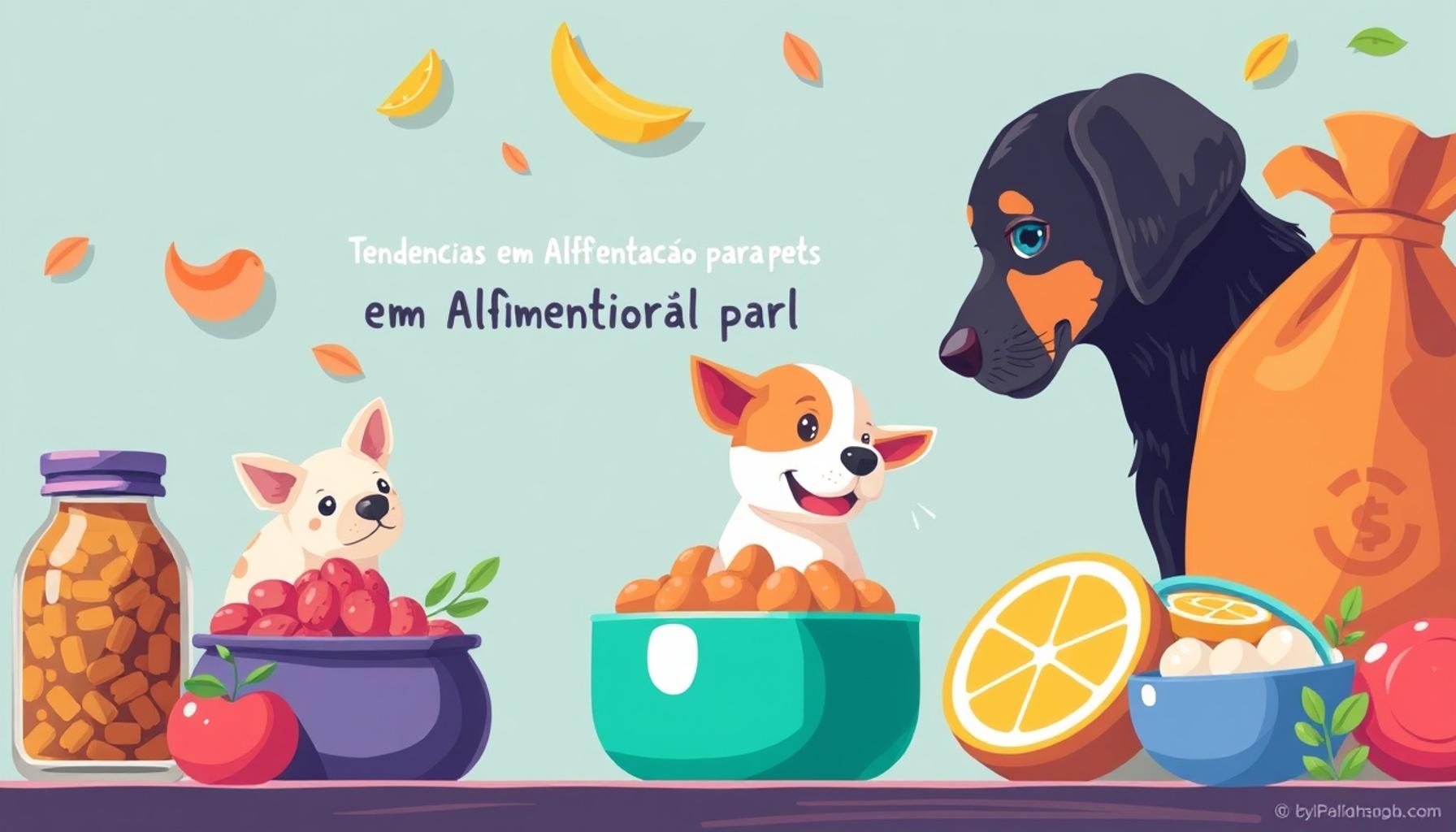
The Evolution of Pet Food Preferences
The pet food landscape is experiencing a transformative shift, driven by the ever-growing desire of pet owners to provide their pets with meals that mirror their own health-conscious choices. Recent studies indicate that over 60% of pet parents are now opting for food made from whole ingredients, highlighting an increasing awareness about the importance of nutrition and the overall well-being of their furry family members.
This shift toward natural pet food is not just a fleeting trend; it represents a broader cultural move towards healthier living. As pet owners become more educated about the link between diet and health in animals, they are demanding better options for their pets, akin to those available for humans. With this newfound awareness comes an expansion of the natural pet food market, characterized by innovations and variety.
Key Trends in Natural Pet Food
Several pivotal trends are currently shaping the natural pet food landscape:
- Transparency in Sourcing: Many brands are now prioritizing clarity around where their ingredients come from. This shift is not merely a marketing strategy; pet owners want to know whether their pet’s food is sourced from high-quality farms, with ethical and sustainable practices. For example, brands that feature local farms on their packaging resonate well with consumers, fostering a sense of trust and authenticity.
- Grain-Free Alternatives: An important adaptation in the industry is the rising popularity of grain-free formulas. Many pet owners are moving toward these alternatives to accommodate animals with grain sensitivities or potential allergies. These grain-free options often utilize ingredients such as sweet potatoes or legumes as healthy substitutes, which align more closely with the natural diets of pets’ wild ancestors.
- Whole-Ingredient Focus: There’s a discernible shift away from fillers and artificial additives in pet food. Products that include real meats, fresh vegetables, and fruits are becoming the gold standard. Many pet owners are now reading labels more critically, aiming for ingredients that they can easily identify — akin to a grocery list for their own meals.
Furthermore, the demand for human-grade pet food is surging. Owners desire meals that meet their dietary standards, emphasizing nutritional value and quality. Brands that produce food fit for human consumption are not just catering to this trend but are also capitalizing on it by marketing their offerings as beneficial for both pets and their owners.
In light of these trends, it is vital for pet owners to remain vigilant and informed. Understanding how to choose natural pet food wisely can significantly enhance their pets’ health and longevity. Those interested in improving their pets’ diets should not only focus on ingredients but also consider the implications of sourcing and production practices. As this landscape continues to evolve, the future of pet nutrition looks promising — a journey worth exploring for anyone who shares their life with a beloved animal companion.
DIVE DEEPER: Click here to learn about the vital role of a balanced diet for your pet’s health
Navigating the Natural Pet Food Market
As the trend towards natural pet food gains momentum, pet owners find themselves in a complex yet exciting marketplace filled with both opportunities and challenges. While the variety of products available can seem overwhelming, it presents an excellent chance for pet parents to explore healthier options that align with their pets’ nutritional needs.
One of the most significant shifts in pet food formulation is the focus on nutritional adequacy. Pet owners are increasingly aware that dogs and cats require specific nutrients, much like humans, to thrive. Thus, many brands are investing in research and development to create formulas that meet established standards for complete and balanced nutrition. This trend is supported by organizations like the Association of American Feed Control Officials (AAFCO), which provides guidelines for pet food labeling and nutrient profiles.
Moreover, the popularity of locally sourced ingredients cannot be overlooked. More brands are showcasing their commitment to local farming, highlighting how ingredients are grown, harvested, and processed. This trend is appealing to consumers who value sustainability and wish to support their local economies. For instance, a brand that uses farm-fresh vegetables from nearby farms not only fosters community relationships but also minimizes transportation emissions — something increasingly important to eco-conscious pet owners.
Health and Wellness in Pet Food
The overlap between health and wellness trends in human diets and pet nutrition is becoming more pronounced. This phenomenon is leading to an increase in functional pet foods, which are formulated with specific health benefits in mind. Similar to superfoods in human diets, pet food is now featuring ingredients such as probiotics for digestive health, omega fatty acids for skin and coat conditions, and antioxidants to support immune function. Pet owners are keen to choose products that promise tangible health benefits, making informed choices that enhance their pets’ quality of life.
As pet health becomes a focal point for many owners, the significance of packaging and marketing cannot be underestimated. Brands are increasingly investing in eye-catching, informative packaging that emphasizes the nutritional value and sourcing of the ingredients. From colorful labels to eco-friendly bags, a product’s appearance now plays an essential role in attracting attention and conveying messages about quality and care.
- Transparency in Nutritional Labels: Pet owners are becoming more discerning in their selections, opting for brands that provide clear information on ingredient sources, nutritional content, and production methods.
- Popularity of Raw Diets: Though still somewhat controversial, the raw food diet approach is gaining traction. Some owners are exploring raw or freeze-dried models that attempt to replicate a pet’s ancestral diet and offer perceived health benefits.
- Emerging Protein Sources: More brands are experimenting with alternative proteins, such as insects and plant-based sources, catering to growing concerns about environmental impact and sustainability.
In this evolving landscape of natural pet food, it’s vital for every pet owner to stay informed about their choices. Understanding these trends can make a world of difference in selecting a diet that not only meets their pets’ needs but also aligns with their values as responsible caregivers. Each choice is an opportunity to contribute to the health of our pets and the world around us.
Exploring the Nutritional Landscape of Natural Pet Food
As pet ownership evolves, so too does the landscape of pet nutrition. The current trend toward natural pet food is not just a passing fad, but a significant movement driven by pet owners who are more educated about what goes into their pets’ diets. With this shift, it’s vital for owners to understand the various aspects of natural pet food that contribute to their furry companions’ health.
Ingredient Transparency: A Must for Modern Pet Owners
Today’s consumers demand transparency from pet food manufacturers. They want to know that the ingredients sourced are not only safe but also of the highest quality. Many brands are now providing detailed information regarding their sourcing practices, and ingredient origins. This enables owners to make informed choices that align with their values and their pets’ nutritional requirements. Focusing on whole ingredients like natural meats, vegetables, and specific grains can also offer a myriad of health benefits.
Customization in Diets
The trend towards customized pet diets reflects a more individualized approach to pet nutrition. Natural pet food brands increasingly offer tailored formulations based on a pet’s specific dietary needs, age, and health conditions. This customization empowers owners to provide optimal nutrition for their pets, leading to better overall health outcomes. Whether it’s grain-free options or specific protein sources, the ability to cater to unique dietary requirements is becoming a staple in natural pet food offerings.
The Role of Supplements
Another significant trend is the rising popularity of supplements as part of a natural pet food regimen. Many pet owners are embracing the idea of including holistic supplements aimed at enhancing wellness. From omega fatty acids for skin and coat health to probiotics for digestion, these additions are transforming routine pet diets into comprehensive health plans.
Ethical Considerations in Pet Food Choices
With increasing awareness of environmental issues, ethical considerations are becoming a priority for many pet owners. The demand for sustainably sourced ingredients and eco-friendly packaging is reshaping the market. Consumers are not just thinking about their pets’ health anymore; they are also considering the wider impact of their choices on the planet.
| Category | Details |
|---|---|
| Ingredient Transparency | Consumers seek clarity and high-quality ingredients in pet food. |
| Customized Diets | Tailored formulations based on individual pet needs for optimal health. |
As natural pet food continues to gain traction, staying informed about these trends helps owners to navigate the complexities of pet nutrition. By remaining proactive and engaged in their pets’ dietary choices, owners can ensure a healthier, happier life for their beloved companions.
DISCOVER MORE: Click here to learn effective training techniques
Understanding Ingredient Sourcing and Quality
In the quest for natural pet food, ingredient sourcing has become a critical factor for discerning pet owners. The quality of ingredients directly influences the nutritional value of pet food, and consumers are becoming adept at identifying high-quality sources. Ingredients that are labeled as human-grade have gained significant popularity; these are food-grade ingredients that meet the same standards set for human consumption. Such labeling instills confidence among pet owners who seek to ensure that their furry companions receive only the best.
Moreover, pet parents are increasingly scrutinizing the specific components present in their pets’ diets. A growing number of brands are now clearly listing not only the primary sources of protein but also the secondary ingredients that enhance the overall nutritional profile. For instance, products that include a mix of fruits and vegetables, such as blueberries for antioxidants and spinach for iron, are becoming popular as they contribute to a more holistic diet for pets.
Emphasizing Special Dietary Needs
The rise in the number of pets with specific dietary requirements has also shaped the natural pet food landscape. Conditions such as food allergies, sensitivities, and obesity are increasingly common; hence, pet food companies are tailoring their products to meet these emerging needs. For example, there are now grain-free options that cater to dogs and cats with grain allergies, along with formulas specifically designed for weight management that control caloric content without compromising on taste or nutrition.
Additionally, while formulations addressing health conditions are essential, the trend towards age-specific nutrition is gaining traction. Pet food brands are introducing recipes targeted at different life stages, from puppies and kittens to senior pets. Nutrient profiles vary significantly with age; the dietary needs of an energetic puppy differ vastly from those of a senior dog that may require joint support and enhanced digestibility.
- The Rise of Subscription Services: Convenience has taken center stage as many pet owners turn to subscription models for natural pet food. This allows for personalized meal plans that cater to specific dietary needs, ensuring that pets receive the freshest products delivered straight to the door.
- Dietary Restrictions and Preferences: A surge in vegetarian and vegan options is evident, as owners explore meat-free diets for their pets. This is especially relevant for consumers who align their pets’ diets with their personal beliefs or who have animals with dietary restrictions.
- Technological Advancements: The pet food industry is increasingly utilizing technology such as apps that offer meal tracking and personalized recommendations based on pets’ health and lifestyle. This innovative approach pairs convenience with a deeper understanding of nutritional needs.
Understanding these emerging trends in natural pet food is paramount for owners who wish to make informed choices about their pets’ diets. By considering factors such as ingredient sourcing, dietary needs, and the convenience of modern purchasing models, pet owners can ensure their companions live happier, healthier lives. With awareness and curiosity, this transition into the world of natural pet foods can become an exciting journey for pet owners and their furry friends.
DISCOVER MORE: Click here for tips on choosing the perfect pet for your child
Conclusion: Navigating the Natural Pet Food Landscape
As the natural pet food trend continues to evolve, pet owners face an exciting yet complex array of options designed to cater to their beloved companions’ needs. The increasing focus on ingredient quality and sourcing empowers consumers to make informed choices, ensuring that pets receive nutritious and safe diets. The emergence of human-grade ingredients and the transparency offered by brands in detailing their ingredient lists reflect a broader commitment to pet health and well-being.
Furthermore, the growing demand for products tailored to meet specific diets and health conditions has led to an impressive variety of options for pet owners. From grain-free formulations to age-specific nutrition, the market now offers solutions that recognize and address the unique needs of pets across their life stages. This level of customization enhances meal planning and contributes to more balanced nutrition, effectively supporting vitality and longevity.
Moreover, the rise of subscription services and technological innovations in pet food delivery systems adds a layer of convenience, allowing pet owners to easily access fresh and appropriate meals for their pets. As more owners explore plant-based options, the dialogue surrounding pet nutrition adapts to reflect individual lifestyles and ethical considerations.
In conclusion, navigating the trends in natural pet food empowers pet owners to make choices that reflect their values and the specific needs of their furry friends. Staying informed about ingredient sourcing, dietary trends, and advancements in pet nutrition will not only enhance the purchasing experience but also lead to healthier, happier pets. By embracing these changes, pet owners can confidently embark on a journey toward better pet health and well-being.