
Positive Training Tips for Dogs: Building a Healthy Bond with Your Pet
Creating a Lasting Connection
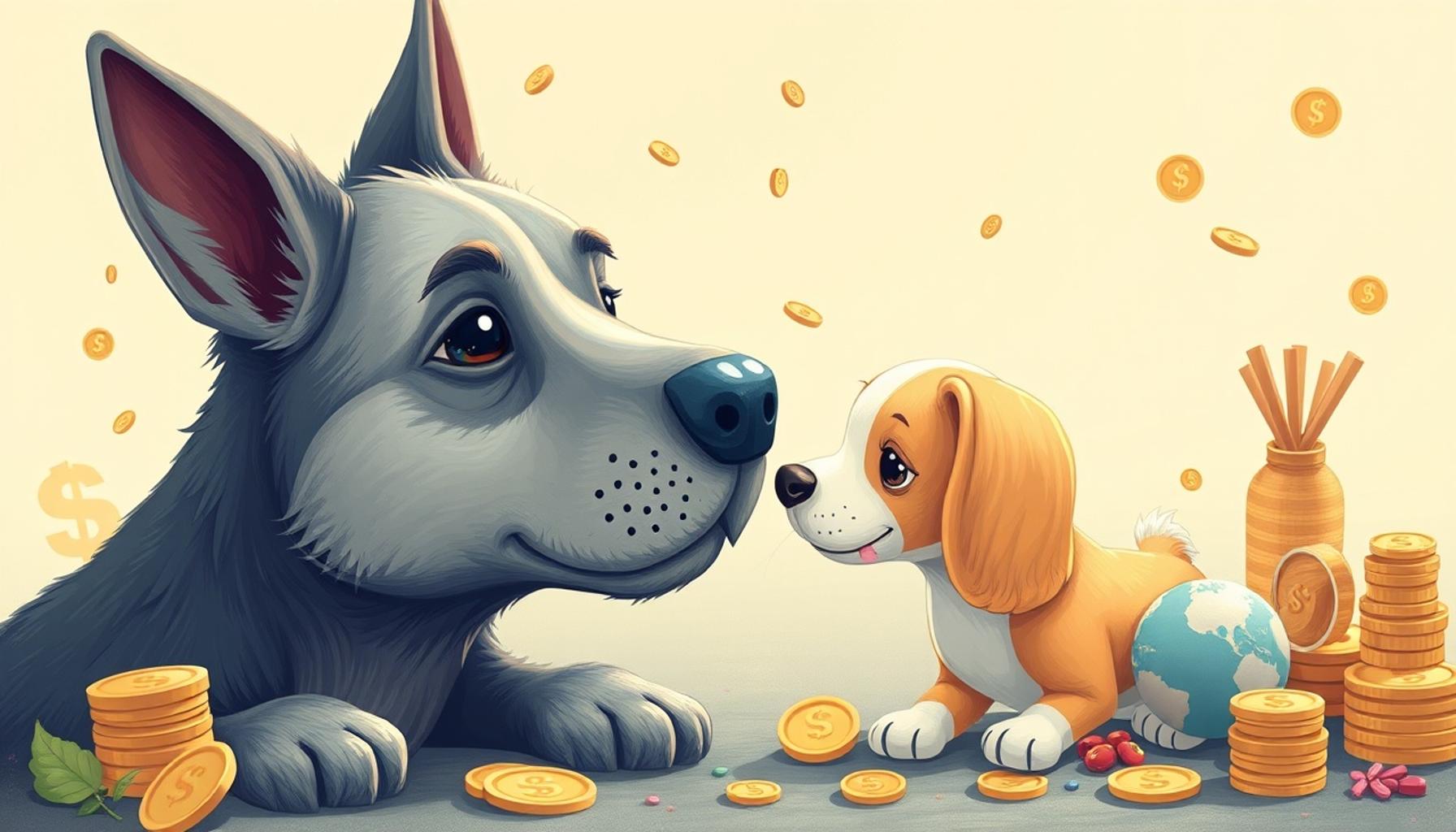
Training your dog encompasses much more than simply teaching them commands; it’s an essential journey of mutual understanding and companionship. At its core, this process involves the establishment of a lasting connection between you and your furry friend. When you employ positive training techniques, you actively foster an environment of trust and respect, which is critical for making your pet feel secure in their home. A strong bond not only enhances your pet’s well-being but also transforms your interactions, leading to a deeply fulfilling relationship.
The Benefits of Positive Training
Opting for positive training methods can provide a myriad of benefits for both you and your dog. Here are several key advantages that highlight the effectiveness of this approach:
- Encourages Good Behavior: Instead of focusing on punishment for mistakes, positive reinforcement emphasizes rewarding desired actions. For example, if your dog sits when asked, offering a treat or praise reinforces that behavior, making it more likely to occur again.
- Builds Confidence: Training creates a safe and supportive environment where your dog can thrive. When your dog successfully learns a command, it boosts their self-esteem and encourages them to engage more actively in learning new skills.
- Strengthens Trust: The foundation of a strong human-animal bond lies in positive experiences. By regularly using positive training techniques, you instill a sense of trust, reassuring your dog that they can rely on you for guidance and support.
Engaging Techniques to Try
To maximize your training success, it’s helpful to explore various engaging techniques that keep both you and your dog involved in the process. Here are a few strategies to consider:
- Clicker Training: This effective technique involves using a clicker to mark and reinforce good behavior. The sound of the click becomes associated with positive outcomes, allowing your dog to clearly understand which actions are desired.
- Treat Rewards: Treats are a powerful motivator in training. Utilizing tasty morsels to encourage your dog ensures they remain interested and enthusiastic about the learning process. Consider using small, healthy treats that your dog loves to keep their energy levels high.
- Play as a Reward: Incorporating playtime as a form of reward not only enhances your dog’s excitement to learn but also fosters a joyful atmosphere. For instance, engaging in a quick game of fetch after your dog successfully follows a command can reinforce positive behavior.
These methods not only improve your dog’s behavior but also nurture a vibrant culture of cooperation and communication between the two of you. As you embark on this enlightening journey of training, take the time to discover the joys of building a deeper connection with your canine companion. Through patience, persistence, and positivity, you’ll unlock boundless opportunities for shared experiences and blissful memories together!
DISCOVER: Click here to enhance your pet’s training
Effective Communication through Training
One of the most vital components of the training process is establishing clear, consistent communication with your dog. By utilizing positive training techniques, you cultivate a common language that both you and your pet can understand. This connection not only alleviates confusion during training sessions but also solidifies your bond. Here are some innovative ideas to enhance your communication:
- Use Clear Verbal Cues: Choose simple, distinct commands for your dog to follow. Consistency is key; use the same words and tone each time to avoid any misunderstandings. For example, when teaching the “sit” command, clearly articulate the word each time, ensuring your dog recognizes it as the desired behavior.
- Body Language Matters: Dogs are naturally attuned to human body language. By adopting an open and relaxed posture, you signal to your dog that training is a positive experience. Additionally, use gestures, such as hand signals, to reinforce verbal commands and enhance understanding.
- Practice Patience: Every dog learns at their own pace, and maintaining a calm demeanor throughout training sessions is crucial. If a command doesn’t seem to sink in immediately, remain patient and encouraging. Over time, your dog will begin to grasp the concepts you’re teaching.
These strategies pave the way for a more enriching training experience. The act of communicating effectively goes beyond mere commands; it fosters a sense of mutual respect and understanding. To further enhance this relationship, integrating games into training sessions can be incredibly beneficial.
Incorporating Fun into Training
Training should be an enjoyable experience for both you and your dog. By making learning playful and interactive, you can create a positive association with training sessions. Consider the following methods to incorporate fun into your routine:
- Interactive Toys: Use puzzle toys that dispense treats as rewards. This encourages problem-solving and keeps your dog mentally stimulated. Engaging your dog in a fun activity like this also reinforces the idea that training leads to enjoyable outcomes.
- Variety in Training Environment: Change the location of your training to keep things exciting. Moving from your living room to a local park can introduce new distractions and challenges that help your dog focus better on your cues.
- Set Achievable Goals: Break down training sessions into manageable tasks. Celebrate small victories with enthusiastic praise or a game of tug-of-war, which reinforces your dog’s success and keeps their motivation levels high.
By fostering a playful atmosphere, you not only enhance your dog’s learning experience but also strengthen your bond. The joy that arises from shared activities allows both you and your pet to explore new dimensions of your relationship, further solidifying the trust and love that forms the foundation of a healthy companionship.
| Category | Description |
|---|---|
| Positive Reinforcement | Using treats and praise to reward good behavior strengthens your pet’s bond with you and encourages learning. |
| Consistency | Establishing a routine in training reinforces understanding and trust, helping your dog feel secure and confident. |
To foster a healthy bond with your dog, implementing positive training techniques is essential. One effective method is positive reinforcement, where rewarding desirable behaviors with treats, praise, or playtime not only motivates your pet but also deepens your connection with them. This form of training allows dogs to view learning as a fun and rewarding experience, rather than a chore.Equally important is the concept of consistency. Dogs thrive on routine; knowing what to expect gives them a sense of security. Maintaining consistent commands and guidelines helps your pet to better understand what behavior is expected, reinforcing their learning and building trust in your leadership. By creating an environment where your dog feels valued and understood, you are laying the groundwork for a fulfilling and lasting relationship with your furry companion. Moreover, engaging in physical activities such as walking or playing fetch can strengthen this partnership, making training sessions a delightful experience for both you and your pet. Remember, the objective is to create a bond that echoes love and respect, which will last a lifetime.
DISCOVER MORE: Click here to learn about the importance of proper nutrition for your pet’s health
Celebrating Progress and Building Trust
Training your dog using positive reinforcement not only nurtures their skills but also fosters trust between you and your furry friend. Recognizing and celebrating progress, no matter how small, is essential in maintaining motivation and enthusiasm during your training journey. Here are several strategies to effectively celebrate your dog’s advancements:
- Frequent Rewards: Utilize a variety of rewards to keep your dog engaged and eager to learn. While treats are a popular choice, consider incorporating belly rubs, toys, or even a fun game of fetch as alternatives. By mixing it up, you prevent your dog from becoming bored with repetitive incentives and make each training session feel like an exciting adventure.
- Positive Reinforcement Techniques: Acknowledge and reward not just the completed tasks, but also the effort your dog puts into learning. If your dog attempts a command, no matter the outcome, praise them for their effort. This approach creates a supportive environment that nurtures willingness and confidence.
- Document Progress: Keep a notebook or digital diary to track your dog’s learning milestones. Note when they master a new command or show improvement in a specific skill. Revisiting these moments can help you celebrate their achievements, and you may be surprised at how far you’ve come together as a team.
Building trust is a gradual process that requires consistent and honest interaction. In addition to recognizing accomplishments, it’s vital to create a safe atmosphere where your dog feels secure in their surroundings.
Creating a Safe and Encouraging Environment
Providing a safe and secure environment is paramount in establishing a solid foundation for your dog’s training. When your pet feels comfortable and protected, their ability to concentrate on training improves significantly. Here are some tips for creating a conducive atmosphere:
- Designate a Training Space: Choose a quiet area free from distractions for training sessions. A specific spot, whether in your backyard or a room inside your home, can signal to your dog that it’s time to focus on learning and bonding with you.
- Observe Stress Signals: It’s crucial to be attuned to your dog’s body language. Look for signs of stress, such as yawning, lip licking, or tail tucking. If your dog shows signs of discomfort, take a step back and allow them time to relax before continuing training. This attentiveness enhances trust and encourages open communication.
- Regular Breaks: Ensure that training sessions are enjoyable and not overwhelming. Keep sessions short, ideally around 5 to 15 minutes, depending on your dog’s age and attention span. Incorporate breaks where your pup can relax and recharge; this will maintain their enthusiasm for the next session.
By fostering a safe and positive environment, you amplify your dog’s desire to learn while reinforcing the bond you share. Combined with effective communication and interactive training methods, you can transform training into a rewarding experience that strengthens your relationship and builds mutual respect.
DON’T MISS OUT: Click here to discover delicious homemade snacks for your pet!
Conclusion: Strengthening Your Relationship Through Positive Training
As you embark on the rewarding journey of training your dog, embracing positive reinforcement techniques is essential for cultivating a lasting bond with your furry companion. By focusing on encouragement rather than punishment, you not only enhance your dog’s skills but also deepen the trust and affection that lies at the core of your relationship. Celebrating small victories, using a variety of rewards, and recognizing your dog’s efforts are all integral components of a successful training regimen.
Remember, the environment you provide plays a crucial role in your dog’s ability to learn and thrive. A safe, designated training space where your dog feels secure will facilitate focus and engagement during sessions. Regular breaks and attentive observation of your dog’s body language will contribute to a more positive experience, strengthening the connection you share.
Ultimately, the principles of positive dog training extend beyond mere obedience; they foster an atmosphere of love, respect, and collaboration. By investing time and effort into this process, you not only create a well-behaved pet but also cultivate a flourishing relationship built on mutual understanding. As you explore new training methods and celebrate your shared achievements, take the time to appreciate the profound bond that develops through these interactions. Your journey in positive training is just beginning, and the results will undoubtedly enrich both your lives for years to come.