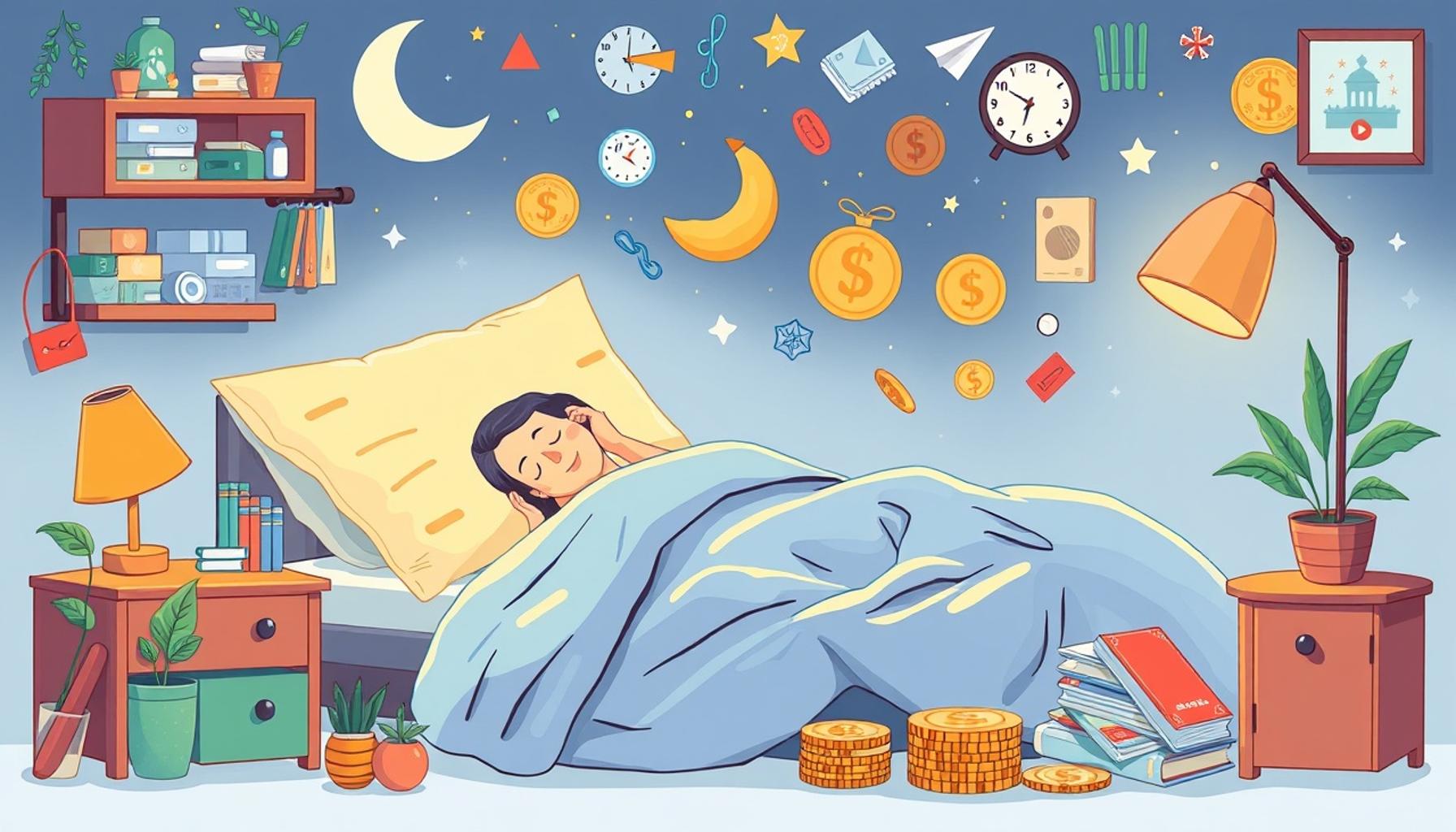
The impact of technology and screens on sleep quality: how to disconnect

The Growing Concern over Sleep and Technology
In today’s digital age, the connection between technology and our daily lives has never been more profound. With the average American spending over 11 hours a day on screens, it’s essential to examine how this constant exposure affects our sleep quality. As many individuals engage in various screen-based activities—whether it’s working on a computer, scrolling through social media on their smartphones, or binge-watching shows on tablets—understanding the repercussions on sleep is not just important but critical for health and well-being.
The blue light emitted by devices like smartphones, tablets, and computers can significantly disrupt our sleep cycles. This type of light is known to affect the body’s natural rhythm. Consider these key areas where blue light impacts sleep:
- Disruption of Melatonin: Exposure to blue light inhibits the production of melatonin, the hormone responsible for regulating sleep. Research suggests that even a small amount of blue light in the evening can delay melatonin release, pushing bedtime back and reducing overall sleep time.
- Increased Alertness: Engaging with devices before bedtime can heighten alertness due to increased cognitive stimulation and emotional responses elicited by social media or thrilling game applications, making it harder to unwind and prepare for sleep.
- Sleep Disorders: Studies show a strong link between screen time and sleep disorders, including insomnia. The National Sleep Foundation has noted that heavy screen users often report difficulty initiating sleep and experience poorer sleep quality overall.
Experts recommend various strategies to help individuals disconnect from screens for better sleep. Simple practices can have a profound impact, such as:
- Establishing a Device Curfew: Setting a specific time to turn off devices before bedtime—ideally at least an hour before sleep—can assist in easing the transition to rest.
- Creating a Relaxing Environment: Designing a sleep sanctuary free from electronic distractions involves removing screens from the bedroom and ensuring a dark, cool, and quiet atmosphere conducive to sleep.
- Using Blue Light Filters: Many devices offer settings or downloadable apps that reduce blue light exposure. By enabling these features, users can gamely safeguard melatonin production even if screen use continues into the evening.
As we delve deeper into this topic, it’s crucial to understand how returning to a more natural rhythm can enhance overall well-being, both during the day and at night. Adopting these strategies may not only improve sleep quality but also revitalize daily energy levels, mood, and focus. The impact of cutting back on screens is further supported by testimonials and community initiatives aimed at advocating for better sleep hygiene in the era of ever-present technology. By taking proactive steps to minimize screen time, individuals can reclaim not only their sleep but also their mental tranquility.
The Psychological and Physiological Effects of Screens on Sleep
As our world becomes increasingly digitized, the ramifications of prolonged screen exposure extend beyond simple fatigue. A multi-faceted toll on our sleep quality is emerging with much research highlighting how technology not only affects our physical state but also our emotional and psychological well-being. The consequences of using devices late into the night can manifest in various ways, making it paramount to understand the intricate connection between screen use and sleep.
Sleep is intricately tied to our mental state, and technology can significantly amplify stress and anxiety. As individuals retreat to their screens for entertainment or information, research indicates that the content we consume—whether distressing news, engaging social media interactions, or stimulating games—can lead to increased levels of cortisol, the body’s stress hormone. Elevated cortisol levels not only inhibit the ability to relax before sleep but can also contribute to prolonged waking during the night, resulting in fragmented sleep cycles.
Moreover, the addictive nature of technology plays a pivotal role in how screens can disrupt sleep. With the rise of smartphones and social media platforms, the phenomenon of FOMO (Fear of Missing Out) has created a culture where individuals feel compelled to stay connected and informed at all times. This compulsive behavior can lead to individuals checking their devices frequently, resulting in delayed bedtimes and insufficient sleep. In fact, studies have shown that nearly 60% of adults admit to using their phones within an hour of going to bed, illuminating the struggle for many to disconnect and prioritize sleep.
To further complicate matters, modern lifestyles often blur the lines between work and personal time, creating a scenario where screens are involuntarily linked to both productivity and relaxation. The presence of work emails, virtual meetings, and deadline reminders can linger in the back of our minds, making it difficult to unwind. This inability to disengage contributes to what is termed “technostress,” a state of unease associated with our dependence on technology that can further exacerbate sleep issues.
While the relationship between technology and sleep may appear daunting, there are practical solutions to mitigate its impact. Experts suggest focusing on good sleep hygiene practices, which have the potential to foster healthier sleep patterns. Some effective strategies include:
- Mindful Screen Time: Familiarize yourself with how much time you spend on devices daily. Consider utilizing screen time tracking apps to gain awareness of habits and make adjustments.
- Seeking Alternatives: Instead of winding down with screens, explore activities such as reading a physical book, taking a warm bath, or practicing yoga or meditation.
- Setting Boundaries: Designate specific locations in your home where screens are off-limits, encouraging a culture of disconnection that promotes relaxation.
By understanding the psychological and physiological effects of screen time, individuals can play a proactive role in reclaiming their sleep. It is crucial to take these factors into account as we navigate our increasingly high-tech lives, aiming to prioritize rest amid the underlying pressures of our digitally saturated environment.
The Sleep Disruption Caused by Screen Time
As our lives become increasingly intertwined with technology, the connection between device usage and sleep quality emerges as a critical aspect to address. Numerous studies have shown that increased exposure to screens, particularly before bedtime, correlates with decreased sleep quality. A significant factor in this disruption is the blue light emitted by devices, which hinders the production of melatonin, the hormone that regulates our sleep-wake cycles.
Understanding Blue Light’s Effect
Blue light has become a household term, often cited as a major player in sleep disturbances. Its presence in smartphones, tablets, and computers can trick our brains into thinking it’s still daytime, making it more difficult to unwind and prepare for sleep. Research indicates that using screens within an hour of bedtime can delay the onset of sleep and reduce overall sleep duration, leading to daytime fatigue and impaired cognitive function.
Strategies to Combat Screen-Induced Sleep Issues
Implementing practical strategies to help reduce the negative impacts of screens is essential. One effective method is to establish a digital curfew, setting aside devices at least one hour before sleep. This allows your brain time to unwind and promote the natural sleep cycle. Incorporating relaxing activities, such as reading a physical book or practicing mindfulness, can significantly enhance your ability to disconnect and improve your sleep quality.Moreover, utilizing apps or device settings that limit blue light exposure can be beneficial. By reducing screen brightness and activating night mode, users may find it easier to disengage from their devices sooner and ultimately achieve a more restorative sleep experience.
The Role of Awareness in Sleep Quality
Finally, increasing awareness about the impact of technology on sleep is critical. With sleep being an integral part of overall health, it’s vital to educate ourselves and others about how technology behaviors can influence our nightly rest. Open conversations about screen time and its effects can empower individuals to make informed decisions surrounding their technology use, fostering healthier sleep habits and ensuring a more productive and fulfilling day.
| Category | Advantages |
|---|---|
| Reduced Screen Time | Leads to improved sleep quality and better mood balance. |
| Increased Awareness | Encourages healthy habits and promotes discussions around technology use. |
Disruptive Blue Light and Its Role in Sleep Disturbances
The disruptive influence of screens on sleep quality largely stems from exposure to blue light—a type of high-energy visible light emitted by smartphones, tablets, and computers. Research indicates that blue light significantly impacts the body’s production of melatonin, the hormone responsible for regulating sleep-wake cycles. When individuals are immersed in screens, especially during evening hours, melatonin production is suppressed, making it substantially harder to fall asleep and stay asleep.
A 2017 study published in the journal Environment International revealed that participants using screens in the hour before bedtime experienced a marked delay in the onset of sleep. Moreover, they reported lower sleep quality assessments compared to those who refrained from using screens. As blue light exposure continues to rise with technological adoption, the long-term implications for sleep health warrant attention. Recent estimates suggest that nearly 90% of American adults report using a screen within an hour of sleeping, highlighting a pervasive issue and the need for effective intervention strategies.
Understanding Digital Detox Strategies
While the influence of technology on sleep is substantial, establishing boundaries is crucial for maintaining sleep quality. Digital detox strategies have gained traction as individuals seek ways to reclaim their sleep. Such practices range from simple lifestyle adjustments to comprehensive routines designed to limit screen time. Here are several strategies that can facilitate disconnection and support healthier sleep habits:
- Implementing Tech-Free Zones: Designate areas, such as the bedroom, where electronics are prohibited. This encourages a peaceful environment conducive to sleep.
- Creating a Screen Curfew: Set specific times, ideally one to two hours before sleep, to power down devices. Consider developing a pre-sleep ritual with calming activities like journaling or listening to soothing music.
- Utilizing Blue Light Filters: Many devices now offer settings to reduce blue light emissions. Activating night mode or similar features can mitigate the adverse effects of screen time.
In addition, discussing media usage openly within family dynamics can help raise awareness. Parents strictly monitoring children’s screen time can foster a healthier relationship with technology from a young age. Establishing routines that prioritize family interactions over screens may cultivate an environment that naturally supports better sleep practices.
The Broader Implications of Sleep Deprivation
The consequences of suboptimal sleep extend beyond immediate fatigue, leading to long-term physical and mental health repercussions. Chronic sleep deprivation has been linked to various health conditions, including obesity, diabetes, and cardiovascular diseases, all of which remain significant concerns in the United States. The Centers for Disease Control and Prevention (CDC) reports that over one-third of American adults do not get the recommended amount of sleep, highlighting the importance of addressing triggers like technology in promoting overall health and well-being.
Furthermore, cognitive functions such as memory, attention, and decision-making New are significantly impacted by insufficient sleep. The impact of screens on sleep therefore serves as a vital public health concern, necessitating a greater awareness of how digital habits can shape our nightly rest and overall quality of life.
In Conclusion: Reclaiming Sleep in a Digital Age
The intersection of technology and sleep quality presents compelling challenges that increasingly affect our modern lifestyles. As we’ve explored, the pervasive use of screens not only disrupts melatonin production but also triggers a chain reaction of diminished sleep quality and increased health risks. The evidence suggests that nearly 90% of American adults are engaging with screens right before bed, revealing a concerning trend that demands attention.
However, there is hope. Implementing digital detox strategies, such as creating tech-free zones and establishing screen curfews, can empower individuals to reclaim their sleep. These small yet significant changes can lead to improved overall well-being and enhance cognitive functions, ultimately leading to a more balanced relationship with technology. Encouraging open discussions about media usage within families is vital in fostering healthier habits for future generations.
As awareness builds around the implications of sleep deprivation on physical and mental health—evidenced by alarming statistics from the CDC—it becomes clear that disconnecting from technology is more than a personal choice; it is a public health imperative. The time has come for us to rethink our screen habits and prioritize quality sleep as a foundation for a healthier, more productive life. By doing so, we can set a precedent that prioritizes well-being in an increasingly digital-driven world. Interested readers should explore further research and techniques to enhance their own sleep quality while navigating the digital landscape effectively.