
The Importance of Behavioral Training in Puppy Socialization

Understanding Behavioral Training for Your Puppy
Welcoming a puppy into your home is an exciting adventure, but it comes with responsibilities. One of the key elements for a thriving canine companion is behavioral training. This foundational step helps to ensure that your puppy integrates well into your family and the community, paving the way for a harmonious relationship that lasts a lifetime.
Effective puppy socialization doesn’t just happen; it requires intentional effort and understanding from a young age. Socialization refers to the process of exposing your puppy to a variety of people, environments, and other animals in a controlled and positive manner. This exposure is crucial for developing a well-rounded dog. Below are some notable benefits of behavioral training:
- Enhances Social Skills: Proper training teaches puppies how to interact positively with people and other animals. For instance, puppy playdates and group training classes allow puppies to learn appropriate play behaviors and communication cues, which can prevent misunderstandings in future interactions.
- Reduces Behavioral Issues: Early training can prevent problems such as aggression or anxiety later in life. For example, a puppy that is not exposed to various stimuli, like loud noises or busy streets, may grow up to be fearful or reactive in those situations. Training helps desensitize them to potential stressors.
- Builds Confidence: A well-trained puppy is more likely to feel secure in various environments. By practicing basic commands like “sit,” “stay,” and “come,” your puppy learns to navigate through unfamiliar situations with assurance, reducing the likelihood of fear-based behaviors.
In the United States, many dog trainers recommend starting socialization classes as early as eight weeks of age. This unique time in a puppy’s development allows them to absorb crucial lessons about behavior and interaction more effectively. Classes often include age-appropriate activities that teach basic commands while simultaneously providing exposure to new experiences in a safe setting.
Beyond social interaction, behavioral training can offer the tools for positive interaction within the household as well. Using consistent commands and positive reinforcement, such as treats or praise, during training sessions fosters a rewarding environment for learning. Not only does behavioral training make your puppy more pleasant to be around, but it also lays the groundwork for a lifelong bond between you and your pet.
As you explore this enriching process, you will discover a world where your puppy flourishes socially and emotionally. With the right training, your puppy can become a beloved family member who brings joy and companionship to your household. Additionally, fostering a well-adjusted pup can lead you to a greater sense of fulfillment as you witness their growth and development in a supportive environment.
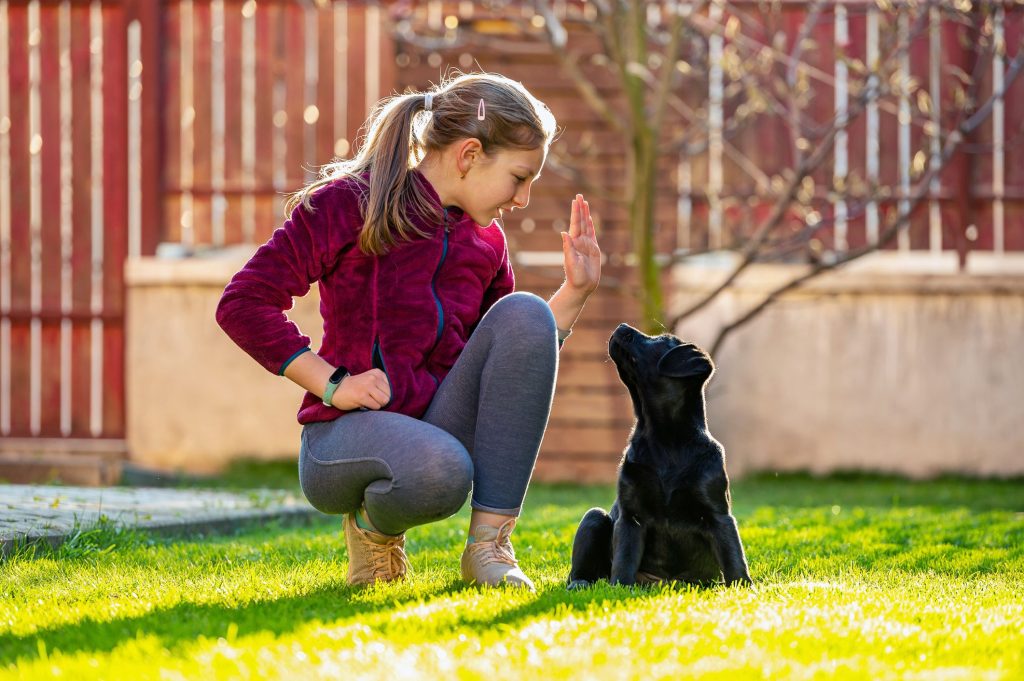
The Essential Role of Early Socialization in Behavioral Training
Behavioral training is not just about teaching your puppy commands; it serves as a fundamental building block for socialization. Early socialization lays the groundwork for how your puppy will interpret and respond to the world around them. Puppies are highly impressionable, and the experiences they encounter during their formative weeks can significantly shape their future behavior. This is why exposing them to different sights, sounds, and interactions from a young age is so invaluable.
Studies have shown that puppies who undergo proper socialization are less likely to develop fear-based behaviors and aggression. The critical socialization period for puppies typically runs from about three weeks to fourteen weeks of age. During this window, they are particularly receptive to new stimuli and experiences. Thus, integrating behavioral training into socialization efforts during this timeframe is vital for instilling good behaviors that can last a lifetime.
Some key aspects to consider when introducing your puppy to behavioral training and socialization include:
- Variety of Environments: Exposing your puppy to different environments—like parks, busy streets, and retail spaces—helps them acclimate to various settings. This exposure teaches them to be comfortable in different situations and reduces the tendency to panic or react negatively in unfamiliar locations.
- Meeting New People: Social interaction with diverse groups of people—including men, women, and children—enables your puppy to understand different personalities and social cues. Such experiences prevent shyness and help foster a trusting demeanor toward humans.
- Interactions with Other Dogs: Attending puppy classes or socialization events that involve other puppies can provide essential lessons in canine communication. Dogs use body language to express their feelings, and playtime allows your puppy to learn these cues, honing their skills for future interactions.
Beyond just exposure, behavioral training emphasizes the importance of positive reinforcement in learning. This training technique employs rewards, such as treats or affection, to encourage desirable behaviors. For example, rewarding a puppy when it approaches another dog calmly reinforces positive social interaction. Over time, your puppy learns that being friendly and well-mannered leads to happier encounters with both humans and animals.
Incorporating play into training is also crucial. Activities that combine training with fun not only make lessons enjoyable but also reinforce learning through positive experiences. A study conducted by the American Kennel Club supports this by demonstrating that puppies who were trained through play exhibited higher retention rates of commands and had lower levels of anxiety during social interactions.
The ultimate goal of behavioral training paired with proper socialization is to cultivate a well-adjusted dog who is not only a cherished family member but also a respectful companion in the community. As you embark on this rewarding journey, the lifelong benefits for both you and your puppy will soon become evident in their confident and friendly demeanor.
| Category | Benefits |
|---|---|
| Social Skills Development | Enhances interaction with other dogs and humans, leading to a more confident and adaptable pet. |
| Reduced Behavioral Issues | Minimizes anxiety and aggression, promoting a peaceful coexistence in various environments. |
| Training Techniques | Incorporates positive reinforcement methods that encourage good behavior without fear. |
| Lifelong Benefits | Instills foundational skills that improve the dog’s quality of life throughout its lifetime. |
One of the pivotal aspects of behavioral training in puppy socialization focuses on the improvement of social skills. With structured interactions, puppies learn to interpret canine body language and social cues effectively, which greatly enhances their ability to get along with other animals and humans alike. Developing these skills during the sensitive periods of their early life can lead to a more confident, adaptable, and well-rounded dog.Moreover, behavioral training plays a crucial role in reducing behavioral issues in puppies. By engaging with various stimuli and experiences, puppies can learn to manage their anxiety and aggression. Without proper guidance, these initial reactions can solidify into problematic behaviors that persist into adulthood, making early training essential for ensuring a peaceful coexistence within any environment or community.Utilizing effective training techniques is also vital to the success of socialization. Approaches based on positive reinforcement, such as treats or verbal praise, enable puppies to associate social interactions with rewarding experiences. This method leads to long-term acceptance of new experiences and reinforcement of good behavior.Lastly, the lifelong benefits of early behavioral training cannot be overstated. Not only does it prepare them for immediate social interactions, but it also fosters a foundation that will aid them in adapting to new challenges throughout their lives. Socially trained puppies are generally happier, less stressed, and pose fewer risks to themselves and those around them. Thus, investing in behavioral training is an investment in the puppy’s future wellness and harmony.
Building Confidence Through Structured Training
One of the paramount benefits of behavioral training in puppy socialization is the enhancement of a puppy’s confidence. Puppies, much like toddlers, are constantly exploring their surroundings, and when they receive guidance during this critical stage, they learn how to navigate challenges with assurance. Training that incorporates positive reinforcement not only teaches commands but also builds a sense of security.
For instance, when a puppy encounters a new dog or a loud noise for the first time, a well-structured socialization experience can significantly mitigate fear or anxiety. Instead of retreating or reacting aggressively, a confidently trained puppy will be more likely to investigate the situation curiously and calmly. This is largely because they’ve been positively reinforced for encountering new situations in a relaxed manner during their training sessions.
Moreover, socialization often includes desensitization to various stimuli, ranging from environmental noises to traffic. Engaging puppies in experiences where they might initially feel discomfort, followed by positive reinforcement, gradually reduces fear responses. Studies indicate that early exposure to various sounds and sights can diminish tendencies toward reactivity in adult dogs. For example, playing recordings of thunder or fireworks during interactive play can help puppies grow accustomed to these noises, ensuring they remain calm once faced with them in real life.
The Importance of Consistency in Training
The effectiveness of behavioral training is highly contingent upon consistency. Establishing a routine not only enhances learning but also solidifies the bond between the puppy and its owner. Regular training sessions, even if brief, can embed good behaviors and social skills into the puppy’s daily routine. Consistency in commands and responses helps the puppy understand what is expected, leaving little room for confusion and fostering a trustworthy relationship.
In addition, owners should strive to maintain a neutral demeanor during socialization exercises. Puppies are incredibly astute at picking up on human emotions, and any display of negativity could inadvertently instill fear or anxiety. Creating a calm and inviting environment encourages exploration and supports growth in the puppy’s vocabulary of acceptable behaviors.
Integrating Real-Life Situations into Training
Another essential aspect of behavioral training is the opportunity to integrate real-life scenarios into socialization efforts. Training classes often simulate controlled environments, but taking your puppy into the world for exposure to everyday situations can reinforce training lessons remarkably. Visiting dog-friendly cafes, interacting with mail carriers, or walking through busy farmer’s markets can create wonderfully enriching experiences.
Furthermore, it is important to recognize that socialization is not solely a puppy’s responsibility; it requires the involvement of other responsible dog owners. Facilitating playdates with well-behaved dogs can positively affect manners and behavior, as puppies learn to partake in appropriate canine play while respecting boundaries.
Socialization is an ongoing journey, highlighting the significance of lifelong learning and adaptability. As your puppy matures, their training will need to evolve to continue catering to new challenges. The knowledge gained from positive interactions during puppyhood lays the foundation for respectful social behavior in adulthood—all through the lens of behavioral training. As you engage in this enriching process, you not only shape your dog’s behavior but also cultivate a profound connection that transcends commands and offers companionship.
Final Thoughts on the Significance of Behavioral Training in Puppy Socialization
In conclusion, the importance of behavioral training in puppy socialization cannot be overstated. Socialization during a puppy’s formative months is critical in shaping not only their behavior but also their overall temperament as they transition into adult dogs. By focusing on positive reinforcement, owners can foster an environment rich in learning and security that encourages friendly and confident interactions with other animals and humans alike.
As explored throughout this article, structured training programs build essential skills that help puppies navigate the complexities of the world around them, teaching them to respond calmly rather than fearfully. Establishing a consistent routine and incorporating real-life experiences further solidifies these lessons. In doing so, pet owners not only prepare their puppies for future encounters but also fortify the bond that enhances their companionship.
Additionally, it is crucial for dog owners to recognize that socialization is a shared responsibility. Collaborating with other dog owners and engaging in community events can provide invaluable experiences that enrich social learning, creating well-adjusted adults. As we embrace the journey of socialization, we glean insights into the profound impact that behavioral training has on forming harmonious relationships between dogs and humans.
By actively participating in this enriching training process, we open doors to endless opportunities for growth and exploration, ultimately laying the groundwork for a lifetime of memorable experiences and a strong connection with our beloved pets. As your journey continues, remember that behavioral training is not just a phase; it is a lifelong commitment to understanding, loving, and nurturing our furry companions.