
Adoption of Special Pets: Support and Resources for Animals with Special Needs
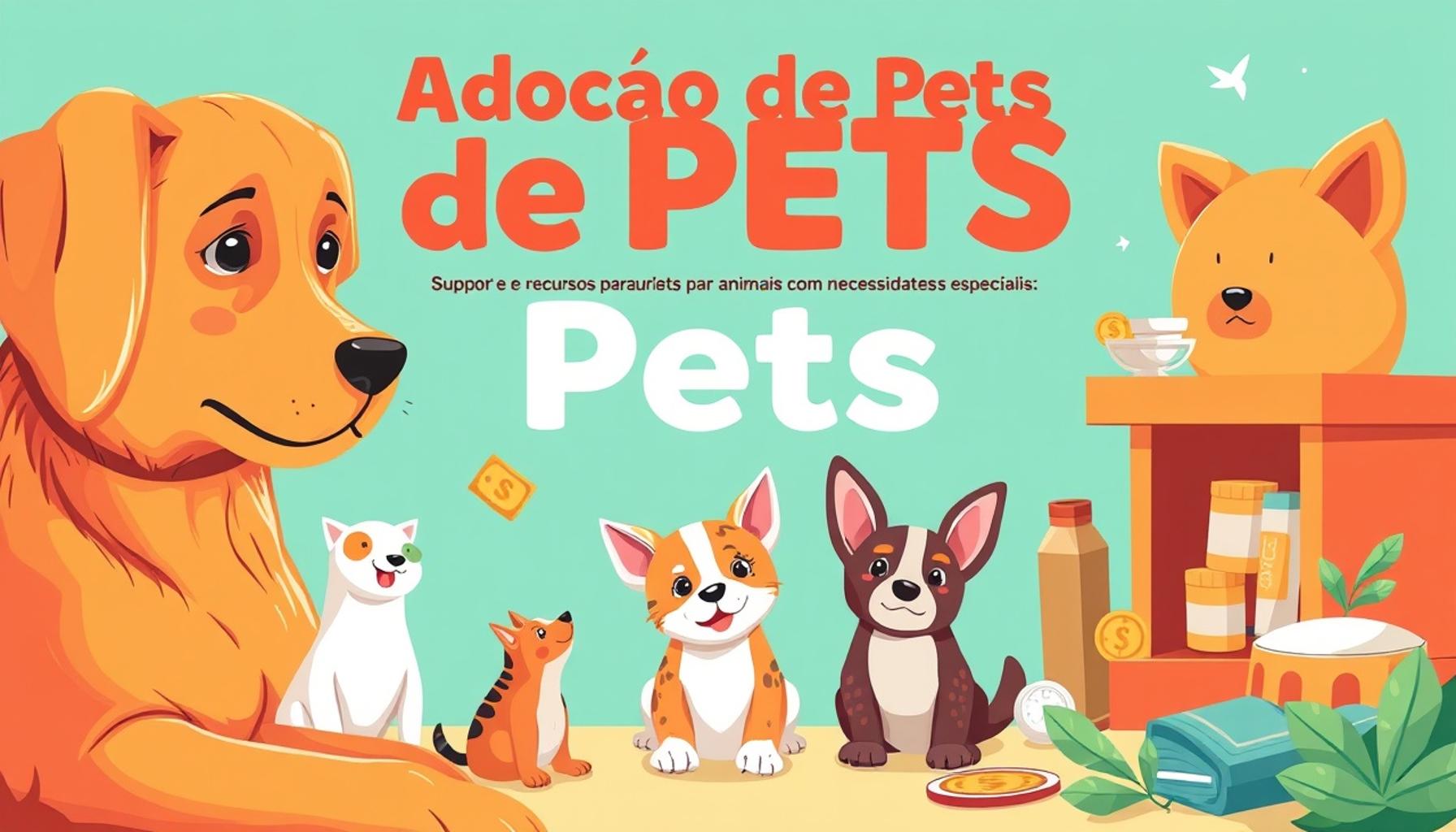
Understanding the Unique Journey of Special Pets
Welcoming a pet into your home is a life-changing decision, especially when that pet has special needs. These animals can face a myriad of challenges, ranging from physical disabilities such as blindness or mobility issues to behavioral problems resulting from trauma or anxiety. However, adopting a special pet can lead to an incredibly rewarding relationship that enriches both your life and theirs.
The Importance of Adoption
Many pets with special needs are often overlooked in shelters due to misconceptions about their care requirements or potential difficulties in adjustment. This neglect can lead to a high rate of euthanasia for these animals, particularly in overcrowded facilities where resources are stretched thin. According to the American Society for the Prevention of Cruelty to Animals (ASPCA), approximately 6.5 million companion animals enter U.S. animal shelters nationwide every year, with special needs pets constituting a significant portion of that population. By adopting such a pet, you are not only giving them a chance at a fulfilling life but also opening yourself up to a unique bond that can be unlike any other.
Key Considerations
Before adopting a special needs pet, it’s essential to understand their specific requirements to ensure a harmonious pairing. Here are some key factors to consider:
- Medical Care: Many special pets require ongoing veterinary care, which may include regular check-ups, medication, or even specialized treatments. For example, a dog with diabetes will need insulin shots, while a cat with a neurological disorder might benefit from physical therapy.
- Specialized Training: Some animals may need training to adapt to their unique conditions. For instance, a deaf dog might require hand signals instead of verbal commands, while an anxious pet might need behavior modification training to help them cope with stressors in their environment.
- Time Commitment: Be prepared for a more involved daily routine. A special needs pet may need additional time for walks, therapy, or socialization. This commitment can be profound but can also lead to significant personal growth and fulfillment.
Resources Available
A myriad of resources exist to support adopting families, which can help mitigate some of the challenges associated with bringing a special needs pet into your home. These include:
- Nonprofit Organizations: Numerous organizations, such as Pet Partners and The Special Needs Animal Rescue and Rehabilitation, focus specifically on the needs of special pets, providing information, adoption opportunities, and volunteer support.
- Veterinary Programs: Some veterinary clinics offer discounts or payment plans for special needs animals, alleviating some financial pressures associated with their care. Programs like VetCosts in the U.S. can help manage expenses.
- Support Networks: Local and online communities, including Facebook groups or forums dedicated to specific conditions (like blind or deaf pets), provide invaluable guidance, encouragement, and camaraderie among fellow pet owners.
In conclusion, while adopting a special needs pet is a significant commitment, it is undoubtedly one filled with love and joy. With the right support and resources, your choice to adopt can make a monumental difference not only in their lives but also in your own. The journey of caring for a special pet is bound to be filled with laughter, lessons, and an unbreakable bond that transcends challenges.
The Rewards of Adopting Special Needs Pets
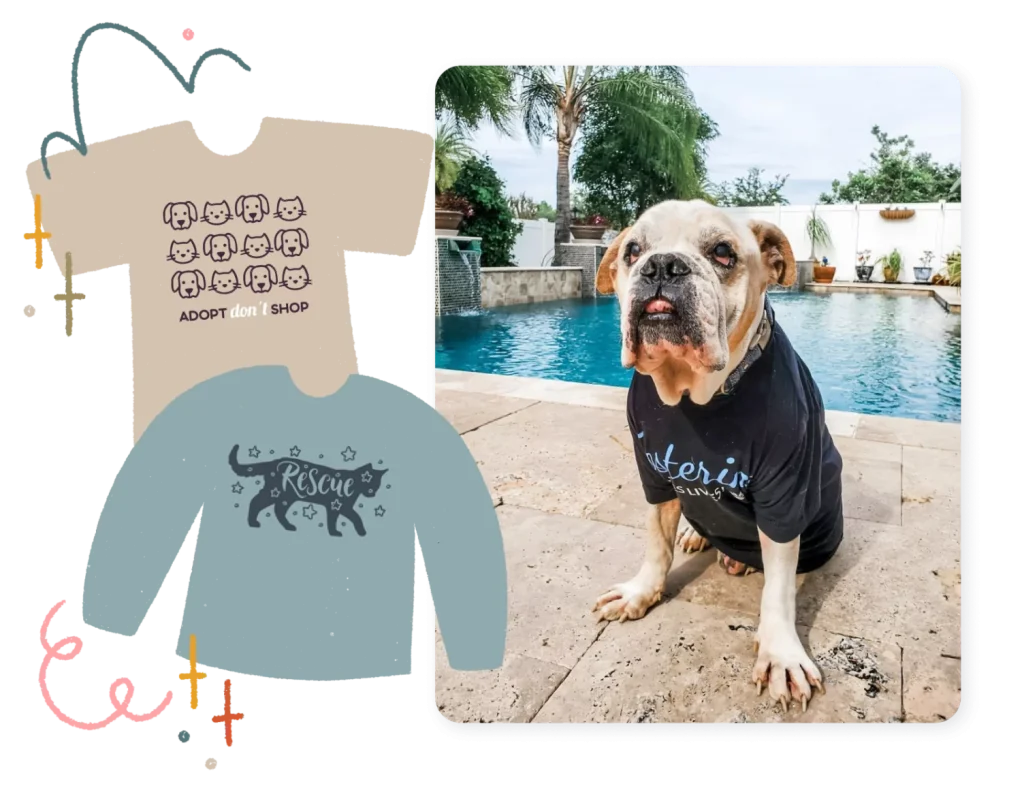
Adopting a pet with special needs can profoundly impact both the animal and the adopter. The journey often begins with myth-busting; many potential pet owners assume that animals with disabilities or behavioral challenges come with insurmountable difficulties that outweigh the joy of companionship. However, numerous stories from dog and cat owners reveal a different narrative: one filled with unconditional love, growth, and resilience. By opening your heart and home to a special needs pet, you participate in a transformative experience that goes beyond mere ownership.
Building a Strong Bond
One of the shared experiences among special pet adopters is the deep bond formed with their furry friends. Many people report that adopting a pet who has faced adversity leads to a connection that is uniquely powerful. These animals often display unparalleled gratitude and affection when provided with a stable and loving environment. Whether it’s a three-legged dog learning to run again or a shy cat learning to trust, witnessing their progress can bring immense joy to both the pet and owner.
Challenges and Triumphs
Adopting a special needs pet does come with its set of challenges. Understanding and preparing for these can lead to a smoother transition for both human and animal. Some common hurdles include:
- Behavioral Issues: Many special pets may have a history of trauma, leading to anxiety or trust issues. While these animals may require patience and consistent training, many find that the effort is met with heartwarming results.
- Physical Limitations: Pets with physical disabilities might need special accommodations, such as ramps or orthotic devices. It’s essential for future pet owners to assess their home environment to ensure it is safe and welcoming for pets with mobility challenges.
- Financial Considerations: The cost of veterinary care can be higher for special needs pets, which may require regular check-ups, medications, or surgeries. Future adopters should prepare for these potential expenses by creating a budget that accounts for their pet’s specific needs.
Educational Resources
As a prospective adopter, you are not alone in this journey. Numerous resources are available to assist you in providing the best care possible for your new companion. These resources can guide you through training, medical care, and emotional support:
- Local Animal Shelters: Many shelters have dedicated programs and staff knowledgeable about the needs of special pets. They can provide insights into the individual care required and a detailed understanding of the pet’s background.
- Online Platforms: Websites such as Petfinder and Adoptapet list special needs animals looking for homes and often provide resources for training and care.
- Books and Articles: A wealth of literature exists targeting the adoption and care of special needs pets, offering strategies and support from other experienced owners.
In summary, while embarking on the journey of adopting a special needs pet poses its challenges, it can also lead to incredible rewards. Educating yourself about the unique needs and experiences of these animals can lay the groundwork for a fulfilling relationship, one that acknowledges their struggles while celebrating their triumphs. With commitment and love, adopting a special pet not only changes their life but has the potential to reframe yours in remarkable ways.
| Support Types | Resources Available |
|---|---|
| Veterinary Care Access | Programs that offer affordable or free specialty veterinary services. |
| Foster Care Networks | Community groups that provide temporary homes for special-needs animals. |
| Training and Rehabilitation | Resources focused on the proper training techniques for animals with behavioral issues. |
| Support Groups | Communities that connect pet owners to share experiences and advice. |
In the realm of Adoption of Special Pets, understanding the variety of support available is crucial. From specialized veterinary care to nurturing foster care networks, potential adopters can access extensive resources that cater specifically to animals with unique needs. These veterinary care programs make it feasible for pet owners to ensure their companions receive the medical attention they require without excessive financial strain. Moreover, foster care networks allow special-needs pets to thrive in temporary homes where they receive individualized attention and care, paving the way to permanent adoption. Additionally, trainers and rehabilitation experts provide tailored techniques to help these animals to adapt and thrive, enabling caregivers to better manage any challenges. Connecting with support groups can also provide invaluable insights and camaraderie among pet owners facing similar situations, fostering a sense of community and shared purpose. These resources collectively contribute to a transformative experience, not only for the pets but also for their new families, leading to a fulfilling and joyful companionship for all involved.
Support Networks for Special Needs Pet Adoption
The journey of adopting a special needs pet often requires a community of support. Thankfully, numerous organizations and networks are dedicated to helping both the animals and their adoptive families. Understanding these support systems can enhance the experience for everyone involved.
Veterinary Support and Services
One of the critical components of successfully caring for a special needs pet is ensuring access to appropriate veterinary care. Many veterinary clinics in the United States offer special services tailored to pets with unique requirements. Some of these services include:
- Specialized Medical Care: Certain veterinarians focus on rehabilitation, acupuncture, or holistic treatments for animals with chronic conditions. Finding a vet with experience treating special needs pets can make all the difference in their quality of life.
- Financial Assistance Programs: Organizations such as RedRover and The Pet Fund provide financial aid for people needing assistance covering the costs associated with veterinary care for special needs animals. Exploring these options can alleviate some of the financial burdens pet owners may face.
Training and Behavioral Support
Training is essential for any dog or cat, but special needs pets may require tailored approaches. Various programs and resources are available to assist in the training process:
- Professional Training Programs: Many trainers specialize in working with special needs pets, focusing on positive reinforcement techniques that foster trust and behavior modification. Researching local trainers with experience can help create a successful training plan.
- Support Groups: Online communities and local meetups provide invaluable support for pet owners. These forums allow individuals to share experiences, seek advice, and even swap resources—creating a safe space for emotional support and shared knowledge.
Fostering Awareness and Education
Education about special needs pets is vital to fostering an inclusive society. Many organizations actively work to spread awareness and information:
- Awareness Campaigns: Groups like Special Needs Animal Coalition run campaigns to help dispel myths surrounding special needs pets, highlighting their potential and advocating for their adoption. Participating in these initiatives can create a ripple effect in encouraging others to consider adopting special needs animals.
- Workshops and Seminars: Various organizations host workshops to educate current and prospective pet owners on care strategies for special needs animals. These sessions not only provide valuable knowledge but also establish a community of like-minded individuals passionate about animal welfare.
Fostering Connections through Social Media
Social media platforms serve as vital resources for connecting with other special needs pet owners and organizations. Following dedicated pages and groups can provide updates on adoptable pets, share tips, and contribute to ongoing discussions about care and support. Many individuals have found comfort and knowledge through these online spaces, where they can share their journeys and learn from others who have faced similar challenges.
In today’s interconnected world, embracing the adoption of special needs pets can be a step toward creating a more compassionate and understanding society. By leveraging community resources, educational opportunities, and support networks, both adopters and their extraordinary pets can flourish together in a nurturing environment, filled with love and lifelong companionship.
Conclusion: Embracing the Uniqueness of Special Needs Pets
Adopting a special needs pet can be one of the most rewarding journeys an individual or family can undertake. As highlighted throughout this article, the path to providing a loving home for these extraordinary animals is fraught with unique challenges and immense joys. Building a strong support system, leveraging specialized veterinary care, and utilizing training resources are essential steps in ensuring these pets thrive in their new environments.
Moreover, raising awareness about the potential of special needs pets can help dismantle common myths and encourage more families to consider adoption. Engaging in community programs, attending workshops, or simply sharing experiences online can create a culture of compassion that benefits both the animals and their adoptive families. Organizations and initiatives focused on fostering connections among pet owners and providing education not only empower individuals but also build a larger network of support.
The emotional and physical rewards of adopting a special needs pet are profound. Each animal carries a unique story and perspective that enriches the lives of those they interact with. By embracing these special animals and taking advantage of the available resources, we can not only transform their lives but also gain invaluable lessons in resilience, empathy, and love.
As we move forward, it is imperative to remember that providing a loving home to a special needs pet is not just an act of kindness; it is a transformative experience that can shape a community’s outlook on animal welfare. The journey has its demands, but the love and loyalty returned by these deserving animals are immeasurable.