
Adoption Resources: How to Assess the Health and Behavior of a Pet Before Adopting
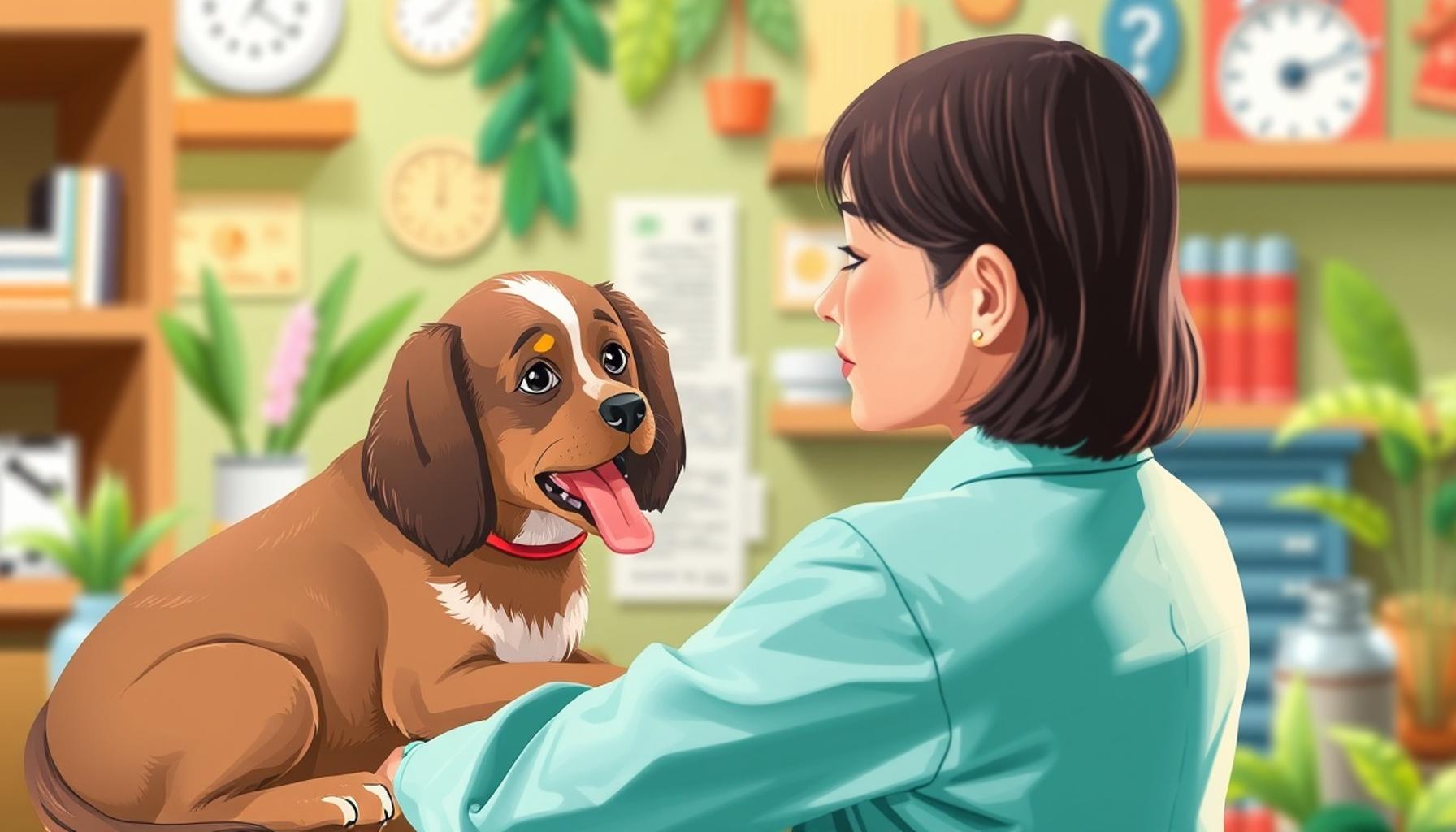
Understanding Pet Adoption: Making Informed Choices
Adopting a pet is an exciting journey filled with possibilities and responsibilities. However, it’s crucial to ensure that the furry friend you choose will fit seamlessly into your life. By assessing both the health and behavior of a potential pet, you can make a more informed decision, leading to a harmonious partnership.
Before you bring a new companion home, consider the following key aspects:
- Health Checks: Look for any signs of illness or underlying conditions. For instance, check for clear eyes, a shiny coat, and an alert demeanor. Additionally, inquire about the pet’s vaccination history and whether it has been spayed or neutered.
- Behavioral Observations: Study how the pet interacts with people and other animals. Observe if the pet seems anxious, shy, or exuberantly playful. For example, a dog that is overly excited may need more training or exercise, while a cat that hides might require a gentle approach.
- Age and Background: Consider the pet’s history, including previous living conditions. For example, pets that come from shelters may have experienced trauma or instability, which can affect their behavior. Understanding their backstory can help you empathize and create a supportive environment.
Each of these factors can profoundly impact your experience as a pet owner. For instance, adopting a dog with unaddressed behavioral issues may lead to challenges such as aggression or anxiety. Conversely, a well-adjusted pet can enrich your life immensely, providing companionship and joy. Consider the case of Goldie, a Labrador retriever adopted from a rescue center. With patience and proper training, she transformed from an anxious dog who cowered at loud noises to a confident and playful companion.
This guide will delve into essential adoption resources and expert advice to help you assess the health and behavior of a pet effectively. Local animal shelters, veterinary clinics, and pet adoption websites can provide valuable insights into various breeds and their typical behaviors. Moreover, reaching out to experienced pet owners or trainers can offer first-hand knowledge regarding specific needs and characteristics of different animals.
By equipping yourself with this knowledge, you can contribute to a brighter future for both you and your new pet. Each choice you make during the adoption process not only influences your experience but also impacts the life of your furry friend. Engaging in this journey thoughtfully ensures that your new companion can truly thrive in their new home, leading to years of shared happiness.

Essential Health Assessments for Potential Pets
When considering adopting a pet, conducting a thorough health assessment is paramount. Understanding the physical condition of an animal can prevent potential future heartbreak and ensure a smooth adjustment period for both you and your new companion. Here are several vital health indicators to keep in mind:
- Inspection of Body Condition: A pet’s weight can tell you a lot about its overall health. Dogs and cats should have a defined waist and healthy muscle tone. Be observant; pets that are underweight may have nutritional deficiencies, while those that are overweight could face serious health issues.
- Check for Signs of Internal and External Parasites: This includes fleas, ticks, and worms. During your visit to an animal shelter or rescue, inquire if the pet has been treated for these parasites. Parasite management is crucial for a pet’s well-being.
- Look at Their Eyes, Ears, and Nose: A healthy pet often has bright, clear eyes and clean ears. Dark discharge, cloudiness, or unusual odors can indicate medical concerns requiring immediate attention. Moreover, ensure your prospective pet’s nose is moist, not dry or cracked, which could signal dehydration or illness.
Moreover, obtaining a comprehensive veterinary history is vital for understanding any recurring problems. Does the animal require ongoing treatment? Are there pre-existing conditions that could require special care? Engaging with the shelter’s staff or a veterinarian can paint a clearer picture of the pet’s past medical issues. For instance, many shelters offer free or low-cost veterinary care for adopted pets, enabling you to keep your furry friend healthy.
Understanding Behavior Traits
Behavioral assessments are equally essential in the adoption process. These traits can indicate how well a pet will fit into your lifestyle and family dynamics. Here are some key behaviors to observe:
- Socialization: Pay attention to how the pet interacts with people and other animals. A pet that is overly shy may need extra time to adjust, while a social animal may thrive best with a companion. For example, a dog displaying eagerness to greet visitors may enjoy a lively household.
- Energy Level: Every breed carries its unique energy level, which should be matched with your lifestyle. Active breeds like Border Collies require rigorous daily exercise, while many cats enjoy a calm indoor existence. Understanding these needs can prevent frustration for both pet and owner.
- Response to Training: Observe how the pet reacts to simple commands and cues. A receptive and well-trained pet is typically easier to integrate into a household. Conversely, a pet struggling with obedience might need additional training and patience.
By evaluating both the health and behavior of a potential pet, you are equipping yourself with necessary insights that will foster a healthy relationship. The right choice can lead to years of happiness, companionship, and memorable adventures. Remember that a pet’s journey begins with you; so take the time to assess and understand their needs for a successful adoption experience.
Evaluating Health and Behavior Before Adoption
Assessing the health and behavior of a pet before adopting is crucial for ensuring a harmonious match between the animal and its future family. In this section, we will explore essential strategies and resources to facilitate a thorough evaluation.First and foremost, consider scheduling an appointment with a veterinarian before finalizing your adoption. A comprehensive health check can reveal underlying issues, such as infectious diseases, nutritional deficiencies, or chronic conditions that may require ongoing care. Ensure that the pet has received proper vaccinations and preventive care, such as flea and tick treatments and spaying or neutering, which contribute to their long-term well-being.In addition, observe the pet’s behavior in a safe environment. Many shelters and rescue organizations provide opportunities for prospective pet owners to interact with animals. Pay close attention to the pet’s reactions to new situations and people. Signs of nervousness or aggression might indicate underlying behavioral issues that require special attention and training. Utilize resources like behaviorists and trainers who specialize in animal behavior, as they can guide potential adopters in interpreting behaviors and identifying red flags.Moreover, gather information from the shelter or rescue about the pet’s history. Understanding a pet’s background, such as previous trauma, socialization experiences, and living conditions, can significantly inform future expectations. Each pet is unique; recognizing their individual needs will aid in providing a nurturing environment.Incorporating resources such as checklists or assessment tools—often provided by shelters—can facilitate a comprehensive evaluation process. These tools can help prospective adopters feel confident in their ability to assess a pet’s physical and emotional state effectively.In conclusion, with the right approach and tools, you can create a successful adoption experience that caters to the needs of both your household and your future furry friend.
Evaluating Compatibility: Finding Your Perfect Match
Once you’ve assessed the health of a potential pet, the next critical step is to evaluate their compatibility with your home environment. Each pet has its own unique personality and behavioral traits, and understanding these can help you make an informed decision. Here are several important factors to consider before you finalize your adoption:
- Temperament: Different breeds and individual animals exhibit varied temperaments. While some may be playful and energetic, others could be more laid-back or reserved. Spend time with the pet in a quiet area to see how they respond to your presence. Observe if they show signs of anxiety or aggression, which might be indicative of past trauma or behavioral concerns. Identifying a pet’s temperament early on allows you to gauge how well they will adapt to your lifestyle.
- Age Considerations: The age of the pet dramatically influences behavior. Puppies and kittens are often lively and may require extensive training. In contrast, adult animals might already have established behaviors, making them a better fit for first-time pet owners. Many adult pets are already trained to some extent, reducing the amount of time required to adjust to a new home.
- Living Environment: Assess whether the pet will thrive in your living situation. For instance, larger dog breeds typically require ample space to move around, while smaller pets may adjust well to apartment living. Consider whether you have a yard, if the area is dog-friendly, or if you have other pets that the new addition will need to relate to. The introduction of a new animal into your household dynamics requires careful planning.
Additionally, each pet will come with their own quirks and likes or dislikes. Taking the time to engage with them through gentle play or treat training can reveal more about their personality and preferences. If a pet displays signs of obedience and a willingness to learn, it could lead to a smoother transition into your household.
Resources for Adoption Preparedness
The process of adopting a pet can feel overwhelming, but a wealth of resources is available to help potential adopters prepare. Here are some useful tools and organizations to keep in mind:
- Local Shelters and Rescue Groups: Many shelters provide behavioral assessments and educational resources for would-be adopters. Engaging with knowledgeable staff can lend insight into the pet’s history, needs, and suitability for your lifestyle.
- Online Platforms: Websites like Petfinder and Adopt-a-Pet offer extensive databases of adoptable animals along with detailed profiles that highlight each animal’s health and behavioral history.
- Veterinary Services: Post-adoption, maintaining a relationship with a trusted veterinarian is crucial. Many vets can offer valuable advice on behavioral training, nutrition, and preventative health care, ensuring that your new furry friend continues to thrive.
Utilizing these resources empowers potential pet owners to make responsible choices, helping to foster a more profound connection with their soon-to-be furry companions. Engaging enriches the entire adoption experience, transforming it into one of informed decision-making and passionate commitment.
Conclusion: Making an Informed Adoption Decision
In conclusion, the journey of adopting a pet is as rewarding as it is complex. By understanding the importance of assessing both the health and behavior of a potential furry companion, you can significantly enhance your chances of fostering a harmonious relationship. Taking the time to evaluate factors such as temperament, age, and compatibility with your living environment ensures that the decision you make aligns not only with your lifestyle but also with the unique needs of the animal.
Remember, engaging with local shelters and utilizing online resources can provide valuable insights into the history and behavior of potential pets. The role of a trusted veterinarian is equally crucial as they can guide you on what to expect in terms of training and care after adoption. This holistic approach allows adopters to make choices grounded in knowledge and compassion, reducing the likelihood of future challenges and increasing the chances of a loving, lifelong bond.
As you embark on this journey, view pet adoption not just as acquiring a new family member, but as a commitment to their well-being and happiness. By prioritizing thorough assessments and leveraging available resources, you are not only changing a pet’s life but enriching your own. Explore, learn, and prepare to welcome a furry friend who will soon become an irreplaceable part of your life.