
Aquatic Pets: How to Set Up the Perfect Aquarium and Care for Your Fish
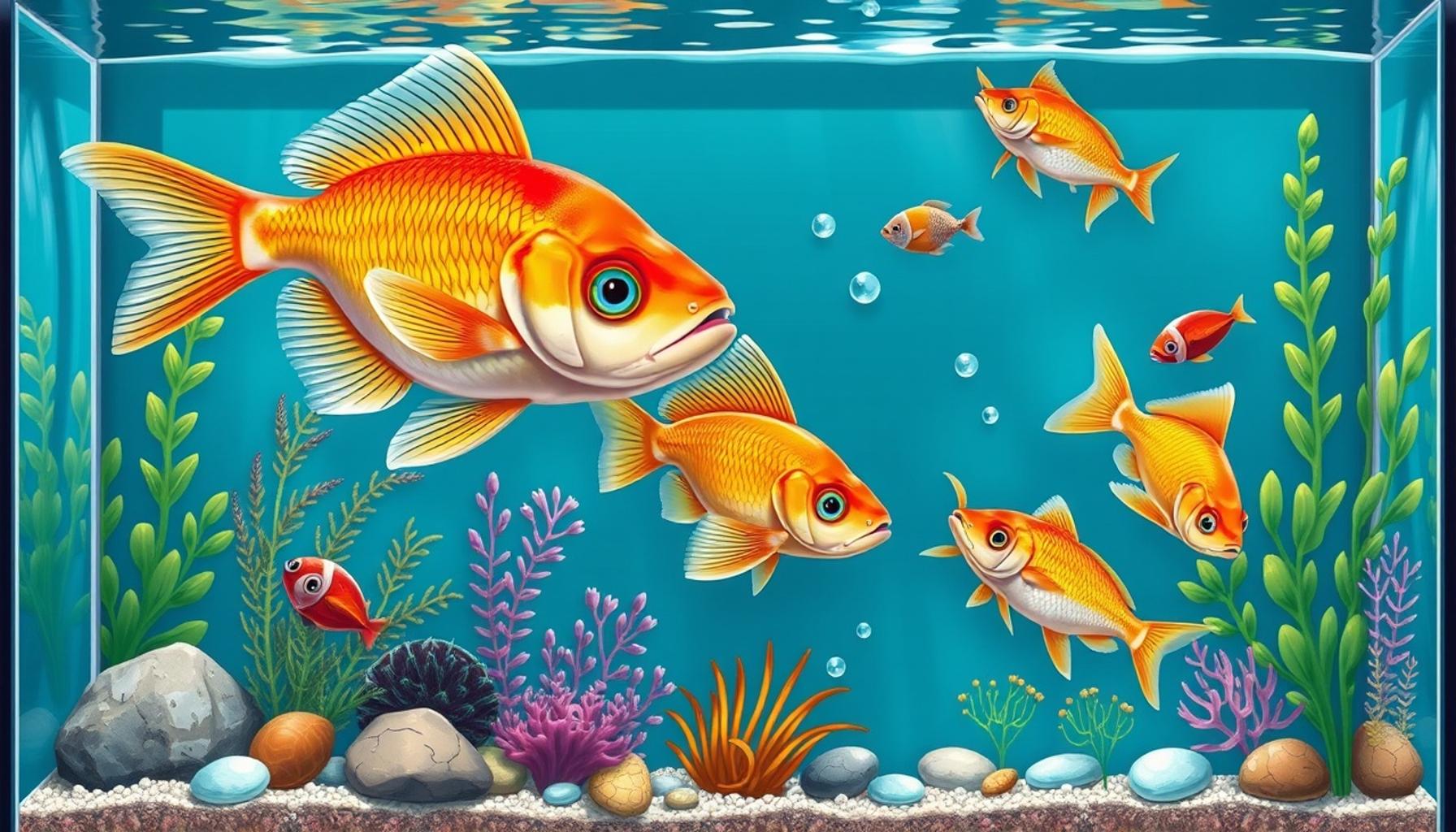
Embarking on Your Fishkeeping Journey
Setting up an aquarium can be one of the most rewarding hobbies you embark on. Not only does it bring a piece of nature into your home, but it also offers a sense of tranquility and beauty. Fishkeeping is a delightful blend of science and art, and every tank reflects the personality of its owner. Aquariums can serve as a mesmerizing focal point in your living room, a calming presence in a home office, or even as an educational tool for children to learn about marine biology and ecosystems.
Before diving into the deep end, it’s essential to understand the basics. Here are a few critical elements to consider in your aquarium setup:
- Tank Size: Choose a size suitable for the species and number of fish you wish to keep. Smaller tanks may seem more manageable, but they require frequent monitoring for water quality fluctuations, especially in communities with active species like bettas or danios. A 20-gallon tank is often recommended as a starting point for beginners, as it balances ease of maintenance with adequate space for fish to thrive.
- Filtration: Invest in a good filter to maintain water quality. A multi-stage filtration system can remove debris, toxins, and harmful substances while promoting beneficial bacteria growth, which helps in breaking down waste. Brands like Fluval and Marineland offer reliable options for different tank sizes.
- Heater: Many tropical fish require a stable temperature between 75°F to 80°F. Choose a heater that matches the tank’s volume; for instance, a 50-watt heater is typically sufficient for a 10-gallon tank. Regularly monitor the water temperature with a thermometer to avoid stress on your aquatic pets.
- Aquascaping: Create a visually appealing environment with plants and decorations. Live plants not only add beauty but also help oxygenate the water. Popular choices like Java fern and Anubias are hardy and thrive in a variety of conditions. Incorporating rocks, driftwood, and other structures enhances the aesthetic while providing hiding spots for shy fish.
Caring for your fish goes beyond just setting up the tank. Regular maintenance and monitoring are vital to a healthy aquarium. Here are some essential tasks for your routine:
- Water Changes: Regular partial water changes are essential for upkeep. Aim to replace 10-20% of the water weekly to maintain nutrient balance and eliminate toxins. This practice not only keeps your aquarium clean but also helps stabilize water parameters.
- Feeding: Provide a balanced diet tailored to each species’ needs. Research the dietary requirements of your fish to ensure they receive proper nutrition—this can include flakes, pellets, frozen bloodworms, or live brine shrimp. Overfeeding can lead to poor water quality, so adhere to feeding amounts suggested on the packaging.
- Routine Check-Ups: Keep an eye out for signs of illness or stress. Look for unusual behaviors like lethargy, loss of appetite, or abnormal swimming patterns. Early detection of diseases, such as ich or fin rot, can prevent outbreaks that may spell disaster for your aquarium.
With the right setup and care, your aquarium can flourish. It’s not just about the fish; it’s a space where you can immerse yourself in the beauty of aquatic life daily. Whether you’re a beginner or a seasoned aquarist, there’s always something new to learn about the captivating world of aquatic pets. Engage with online forums, local aquarist clubs, or workshops in your area to deepen your knowledge and connect with fellow enthusiasts. Let’s explore how to set up the perfect aquarium and ensure the well-being of your fish!
The Essential Components of a Successful Aquarium
Creating a thriving aquarium demands a combination of knowledge, dedication, and the right tools. It’s about crafting a miniature ecosystem that mimics natural habitats, ensuring your aquatic pets lead healthy and happy lives. As you embark on this exciting journey, there are several foundational elements to consider for setting up the perfect aquarium.
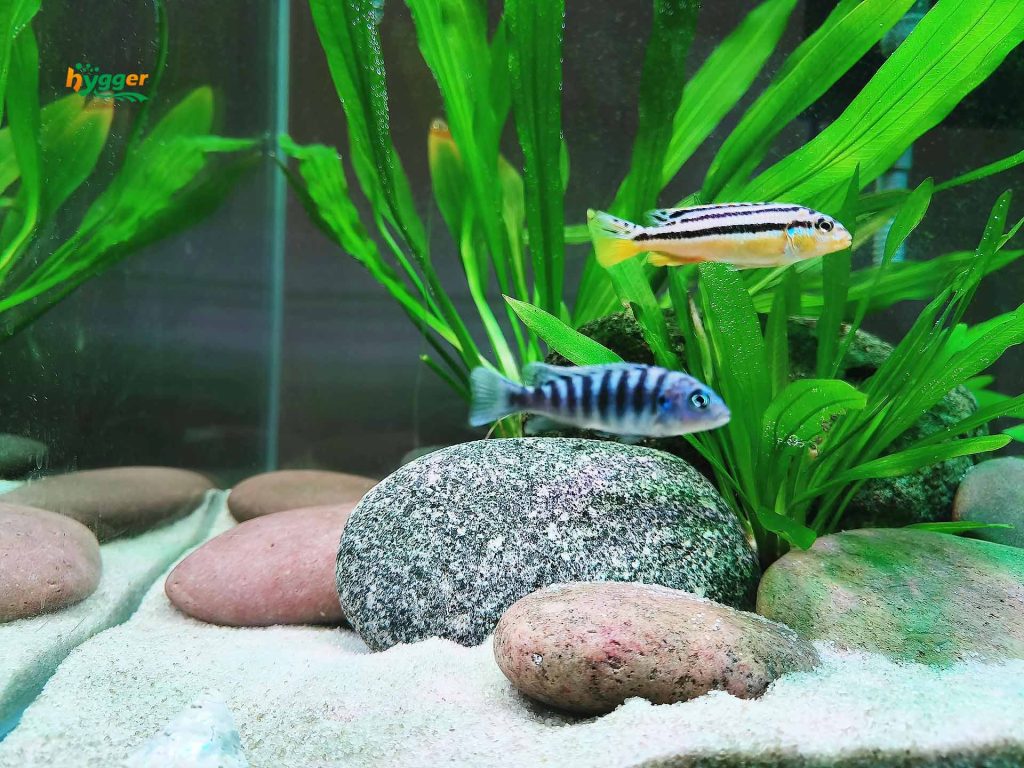
- Water Quality: The cornerstone of any aquarium is high-quality water. Utilize a water testing kit to monitor essential parameters including pH levels, ammonia, nitrites, and nitrates. Most freshwater fish thrive in a pH range of 6.5 to 7.5. Regularly testing and adjusting these factors helps prevent stress and disease among your aquatic pets. If your tap water is heavily chlorinated, consider using a water conditioner to neutralize harmful substances.
- Lighting: Providing the right lighting not only enhances the beauty of your aquarium but also influences the growth of live plants and the behavior of your fish. LED lights are energy-efficient and offer a spectrum that approximates natural sunlight. Ensure that your lights are on for about 8 to 12 hours a day to avoid algal blooms while giving your fish a day-night cycle that mimics their natural environment.
- Substrate: The aquarium substrate sets the stage for your aquatic ecosystem. Gravel, sand, or a specialized substrate for planted tanks can be used depending on the types of fish and plants you choose. A layer of substrate aids in biological filtration and provides a medium for plant roots to anchor. If you’re considering a planted tank, opt for a nutrient-rich substrate to foster healthy growth.
- Aquarium Decor and Accessories: The decor in your aquarium plays a crucial role in providing shelter, territory, and stimulation for your fish. Incorporating items such as rocks, caves, and ornaments allows fish to explore and hide, reducing stress. Live plants also contribute positively to the environment, serving as both oxygenators and natural filters. Ensure that all decor is aquarium-safe and free from sharp edges that could injure your fish.
With these essential components in place, you will begin the integration of aquatic life into your aquarium. However, it is crucial to consider the compatibility of species you choose to keep. Not all fish get along, and developing a community tank requires thoughtful planning and research.
In addition, introducing fish into the aquarium should happen gradually to allow the biological filtration system to adjust. Follow the “one inch of fish per gallon” rule as a general guideline, giving you a reference point for stocking your tank without overwhelming the biological balance. Understanding the social structure and behavior of species will also aid in creating a harmonious underwater community.
As this journey unfolds, embracing the intricacies of aquatic environments will deepen your appreciation for these mesmerizing pets. The joy that comes from creating a balanced and beautiful aquarium is unparalleled. By implementing these key elements for setup and being mindful of fish compatibility, you’re already on your way to becoming a successful aquarist.
Aquarium Setup Essentials
Setting up your aquarium is the foundation for a thriving aquatic environment. The key components you need to consider include tank size, substrate, filtration, lighting, and decoration. Each of these plays a crucial role in not just aesthetics, but also the overall health and happiness of your fish.
Choosing the Right Tank Size
Selecting the appropriate tank size is vital; larger tanks typically offer a more stable environment due to their greater water volume. For beginners, a tank of at least 20 gallons is often recommended as it provides ample room for fish to thrive and reduces the risk of rapid fluctuations in water parameters.
Water Quality Maintenance
Water quality is a critical factor in aquarium health. Regular testing for pH, ammonia, nitrites, and nitrates is essential. Utilizing a high-quality filtration system is necessary for maintaining optimal conditions. Don’t forget the importance of regular water changes—aim for 10-15% weekly to keep your aquatic pets healthy.
Lighting and Temperature
Lighting is not just about aesthetics; it supports the growth of aquatic plants, which in turn oxygenate the water. Ensure to research the specific needs of the plants and fish species you choose. Additionally, maintaining the proper temperature is vital for the survival of your fish; most freshwater species thrive between 72°F and 78°F.
Substrate and Decorations
When it comes to substrate, select materials that enhance both the look and function of your aquarium. Gravel, sand, or planted substrates have different advantages and can significantly influence your aquatic ecosystem. Incorporating decorations such as plants, rocks, and driftwood not only beautifies your aquarium but also provides hiding spots and territories for your fish, reducing stress levels.
Fish Compatibility
Lastly, understanding fish compatibility is crucial in preventing aggression and ensuring a harmonious community tank. Research each fish species before adding them to your aquarium to ensure their needs align with those of their tankmates. Each species has different requirements and temperaments that should be carefully considered.
| Category | Benefits |
|---|---|
| Optimal Tank Size | Larger tanks provide stability in water conditions, benefiting fish long-term. |
| Water Quality Management | Regular testing ensures a healthy environment, reducing disease risks. |
| Proper Lighting | Enhances plant growth and supports aquatic ecosystem health. |
| Compatible Fish Selection | Reduces stress and aggression in your tank, fostering a peaceful environment. |
Understanding these critical components allows you to create a successful habitat for your aquatic pets while also enjoying the beauty and serenity that a well-maintained aquarium provides. As you embark on this rewarding journey, remember that each aspect requires attention to detail for the ultimate success in aquarium keeping.
Maintaining a Healthy Aquarium Ecosystem
While setting up a stunning aquarium is essential, the journey doesn’t end there. An equally important aspect of aquatic pet ownership involves maintaining a healthy ecosystem for your fish to thrive. Regular care routines, mindful feeding practices, and vigilant observation can ensure a vibrant and harmonious underwater environment.
- Routine Maintenance: Establishing a consistent maintenance schedule is critical for long-term success. This includes weekly water changes, typically about 10-15% of the tank volume, which helps to reduce toxic buildup and maintain water clarity. During these changes, take the opportunity to vacuum the substrate to remove debris and waste. Always remember to treat new water with a conditioner and check its temperature before adding it to prevent shocking your fish.
- Filtration System: A reliable filtration system is a lifeline for your aquarium, working tirelessly to clean, aerate, and circulate water. Different types of filters—mechanical, biological, and chemical—serve specific purposes. Mechanical filters remove physical debris; biological filters promote beneficial bacteria that break down harmful substances; while chemical filters absorb impurities. Regularly clean or replace filter media to ensure optimal performance, but avoid cleaning everything at once to preserve beneficial bacteria.
- Feeding Practices: Proper nutrition is imperative for the health and vitality of your fish. Feed your aquatic pets a balanced diet of high-quality flakes, pellets, or frozen foods, depending on species requirements. Overfeeding can lead to pollution and health problems, so employ the “two-minute rule”—only feed what your fish can consume within two minutes. Diversifying their diet with the occasional treat, such as bloodworms or brine shrimp, can stimulate their appetite and enhance their colors.
- Monitoring Behavior: Keep a watchful eye on your aquatic companions. Fish behavior often serves as an indicator of their health. Signs of stress, including erratic swimming, hiding more than usual, or flashing against tank surfaces, warrant immediate investigation. Regular health checks, including observing scales for unusual spots or changes in coloration, can help detect diseases early, allowing for prompt action.
- Temperature and Heating: Maintaining the correct temperature is crucial, as it significantly affects fish metabolism, breeding, and overall well-being. The ideal temperature typically ranges between 72°F to 82°F for many freshwater species. Using a reliable aquarium thermometer and a quality heater, set your tank to the appropriate range, and monitor regularly to avoid fluctuations that could adversely affect your fish.
Engaging in regular maintenance and caring practices establishes not only a beautiful aquarium but fosters an environment where your fish can thrive. Remember, the key to a successful aquatic pet ownership journey is consistency and education. Continuously learning about your specific fish needs and staying informed on best practices can significantly improve the quality of life for your aquatic pets.
As you grow more comfortable with these responsibilities, you’ll find that the joys of aquarium keeping extend beyond aesthetics. With each water change and each feeding session, you deepen your connection with your aquatic companions, unveiling the mysteries of their underwater world. Embrace the ongoing adventure of aquarium care and watch your vibrant aquatic community flourish.
Conclusion: Embrace the Thrill of Aquatic Life
In conclusion, setting up and maintaining a thriving aquarium is not just a task but an enriching journey into the vibrant world of aquatic pets. From selecting the right tank and equipment to mastering the delicate balance of maintaining water quality and fish health, the key lies in wonderful commitment and continuous learning. With a thoughtful approach to routine maintenance, such as consistent water changes and monitoring water parameters, you are laying the groundwork for a beautiful aquatic community that can flourish.
Additionally, being attentive to the diet and behavioral signs of your fish plays a crucial role in their overall well-being. It allows you to create an aquarium that is not solely ornamental but is alive with activity and color, bringing joy and tranquility to your home. Remember, each species of fish comes with its unique needs and characteristics, and understanding these intricacies enhances your ability to curate a truly harmonious environment.
As you delve deeper into this fascinating hobby, you will find yourself not only enhancing your skills but also forging a profound connection with your aquatic companions. They offer an unparalleled window into the complexities of life underwater, reminding us of the beauty that exists in all ecosystems. By fostering this passion for aquatic pets, you are not only a caretaker but also an advocate for the enchanting aquatic world that deserves to be celebrated. So, gear up to embark on this exciting aquatic adventure, and observe how your aquarium evolves into a stunning spectacle of life, color, and tranquility.