
Behavioral Training Strategies to Increase Obedience in Puppies

Understanding Puppy Obedience Training
Every puppy owner dreams of a well-behaved furry companion. To achieve this, implementing effective behavioral training strategies is essential. These strategies not only foster obedience but also strengthen the bond between you and your puppy, setting the stage for a harmonious household and a lifelong relationship filled with trust and love.
Why Focus on Behavioral Training?
Behavioral training is crucial for several reasons. One primary benefit is the prevention of problem behaviors. Early training helps curb issues like excessive barking, destructive chewing, and even aggression, which can manifest if left unaddressed. For instance, a puppy that barks excessively may do so out of boredom or anxiety, but proper training can help channel their energy positively.
Socialization is another vital aspect. Exposing puppies to a variety of experiences—different people, other dogs, and diverse environments—can lead to well-rounded dogs that are comfortable in various situations. Early socialization is particularly important, as it can prevent fearfulness and anxiety later in life, which can cause behavioral issues. Take your puppy on outings to dog parks, busy streets, or pet-friendly shops to introduce them to new stimuli.
Safety is perhaps the most critical reason to prioritize training. Teaching essential commands such as “come” and “stay” not only enhances your puppy’s obedience but also ensures their safety in potentially dangerous situations. Imagine a scenario where your puppy sees a squirrel darting into the street; a well-trained dog that understands “stop” can prevent a tragic accident.
With the right approach, you can unlock your puppy’s potential and enhance their learning experience. Experts often recommend using positive reinforcement techniques, which can lead to lasting behavioral changes. This method encourages good behaviors by providing rewards rather than punishment, making training a positive experience for both you and your puppy.
Engaging Training Activities
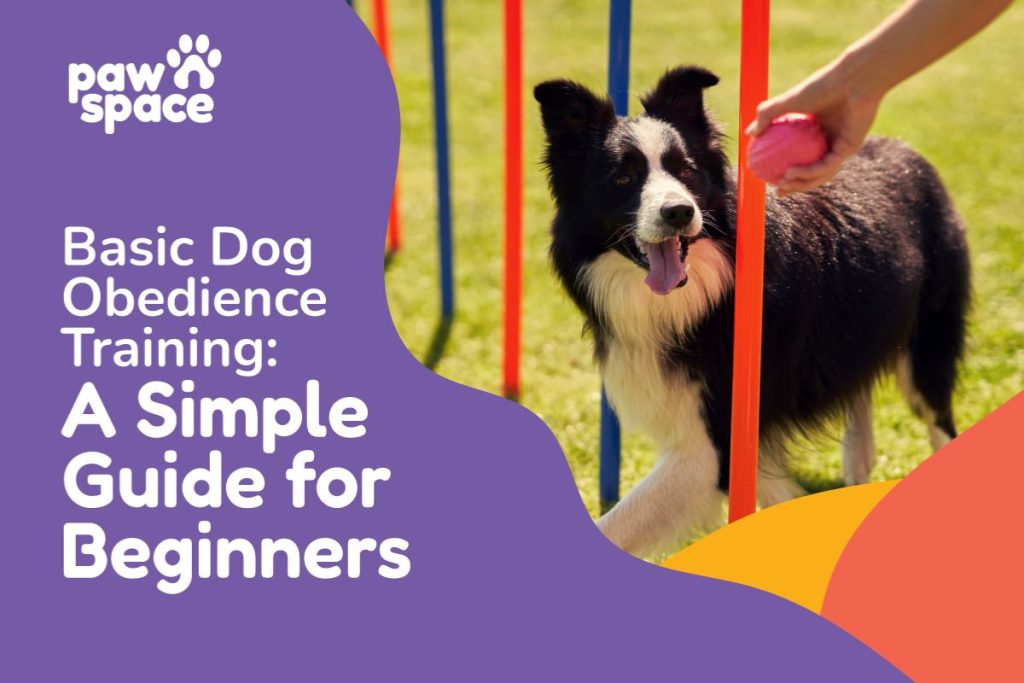
Incorporating fun and engaging activities during training sessions is key to keeping your puppy motivated and eager to learn. Here are some examples:
- Clicker Training: This method uses a clicking sound to signal the correct behavior and is often followed by a reward. It’s an efficient way to communicate with your puppy and can be especially beneficial in teaching complex commands.
- Treat-Based Rewards: Reinforcing good behavior with treats encourages repetition. You can use small, tasty treats that your puppy loves, which can significantly enhance their motivation to perform desired behaviors.
- Playtime Integration: Incorporating play into training sessions can make learning enjoyable and productive. For example, you can teach the “fetch” command during playtime, creating a seamless blend of learning and fun.
These strategies lay the groundwork for a well-trained puppy. As you delve deeper into these methods, you’ll discover various ways to tailor your training for your puppy’s unique personality and needs. Remember, consistency and patience are vital; training is a journey that requires time and dedication, but the rewards—a well-mannered companion and a deeper bond—are well worth the effort.
Effective Strategies for Positive Puppy Training
When setting out to train your puppy, it is important to employ methods that not only yield results but are also enjoyable for both of you. Utilizing positive reinforcement techniques is one of the most effective ways to foster obedience in your puppy while nurturing a trusting relationship. This approach stands in stark contrast to traditional methods that may rely on punishment, ensuring that your puppy associates training with positive experiences rather than fear or anxiety.
The Power of Consistency
Consistency is paramount in any training effort. Establishing clear commands and sticking to them helps your puppy understand exactly what is expected. For instance, if you decide to use the command “sit,” make sure everyone in your household uses the same command and the same tone of voice when giving it. Mixed signals can confuse your puppy and hinder their learning process.
Moreover, defining a clear training schedule can enhance your puppy’s learning experience. Short, daily training sessions of around 5 to 10 minutes are ideal for maintaining your puppy’s attention span. Remember that puppies have boundless energy and shorter focus, so frequent, brief training can lead to more effective learning.
Targeted Commands for Key Behaviors
Teaching basic commands can significantly improve your puppy’s obedience and create a foundation for more advanced training. Here’s a well-rounded list of essential commands every puppy should learn:
- Sit: A basic command that lays the groundwork for overall obedience. It is simple and helps establish control during various situations.
- Stay: A crucial command that promotes patience and prevents your puppy from wandering off.
- Come: An essential command that ensures you can call your puppy back to you safely, especially in potentially risky situations.
- Leave it: Teaching your puppy to ignore distractions, whether food or intriguing objects, can prevent them from making poor decisions outdoors.
- Heel: A command that keeps your puppy walking calmly by your side, which is particularly useful on leash walks.
Incorporating these commands into your training sessions will not only cultivate good behavior but also create a safer environment for you and your puppy. As you introduce each command, ensure to celebrate small victories. When your puppy successfully responds, provide praise or rewards immediately to reinforce the behavior positively.
Utilizing a Varied Training Environment
Training in diverse settings can significantly enhance your puppy’s ability to obey commands under various circumstances. Start in a quiet space with minimal distractions and gradually move to environments with more stimuli, such as parks with other dogs or busy streets. This transition helps your puppy adapt to distractions while reinforcing their training amidst the excitement of the world around them.
By integrating these behavioral training strategies into your puppy’s learning process, you’re not only laying the foundation for a well-behaved canine companion but are also establishing a relationship built on trust, understanding, and fun. Tackling training with enthusiasm and patience will ensure that both you and your puppy enjoy the journey ahead.
| Training Strategy | Advantages |
|---|---|
| Positive Reinforcement | Encourages desired behaviors by rewarding puppies with treats or praise, making them more likely to repeat good behavior. |
| Clicker Training | Provides clear communication as the click sound indicates the exact moment the desired behavior is performed, facilitating faster learning. |
| Socialization | Enhances confidence and reduces behavioral issues by exposing puppies to different environments, people, and other animals. |
| Consistency and Routine | Establishes predictability for the puppy, making training more effective as they learn expectations and commands. |
The advantages of using these behavioral training strategies are immense, providing not only immediate improvements in obedience but also fostering a stronger bond between the puppy and owner. Engaging in these methods can lead to a happier, well-adjusted dog that is more integrated into family life. The key lies in consistency and patience, allowing pups to thrive and develop good habits that will last a lifetime. Each strategy contributes uniquely to the overall development and discipline of the puppy, inviting pet owners to delve deeper into the world of effective training techniques that promise to enhance the puppy-training journey.
Advanced Techniques for Gaining Puppy Obedience
As your puppy becomes more acclimated to basic commands, it’s time to expand their training using advanced techniques that not only strengthen their obedience but also challenge their intellect. Incorporating mental stimulation is key to a well-rounded training approach and can lead to an overall calmer and happier puppy.
Clicker Training: The Science Behind the Sound
One of the most effective tools in the world of puppy training is the clicker. This small device makes a distinct sound that helps mark the desired behavior at the precise moment it occurs. When your puppy hears the click, followed immediately by a reward, they learn to associate the sound with their successful action. This technique can greatly enhance their ability to grasp commands. Research has shown that clicker training can increase learning speed, especially when teaching new tricks or behaviors. Furthermore, using a clicker also ensures accuracy in communication, allowing you to pinpoint exactly what you’re reinforcing.
Socialization: A Crucial Component
Another essential strategy is socialization. Introducing your puppy to a variety of environments, people, and other animals helps them learn how to behave properly in diverse situations. Socialization lays the groundwork for reducing anxiety and behavioral issues later on. For example, setting up playdates with other vaccinated puppies or arranging visits to pet-friendly venues can teach your puppy how to interact positively and calmly. The American Kennel Club suggests starting socialization as early as three weeks of age, as this is a prime period for exposing them to new experiences. The more positive interactions your puppy has, the more balanced and obedient they will become.
Incorporating Fun and Games
Using games in training can make learning more enjoyable while also strengthening obedience. Activities such as hide-and-seek, where you conceal yourself and call your puppy to find you, not only test their recall skills but also deepen your bond. Additionally, interactive toys that engage your puppy mentally can keep their interest piqued while working on commands. For example, puzzle toys that dispense treats when solved can encourage your puppy to think critically, promoting a sense of accomplishment and reinforcing their training positively.
Addressing Unwanted Behaviors
For every command taught, it is equally important to address unwanted behaviors in your puppy. Ignoring bad behavior is often ineffective; instead, redirect your puppy’s focus to a more appropriate action. If your puppy tends to chew on furniture, for instance, provide them with an appropriate chew toy and encourage them to use it instead. This technique makes them realize that good behaviors are far more rewarding than the negative ones. Meanwhile, employing the ‘no’ command consistently can also help in curbing any undesirable actions. The key is to respond immediately and redirect their energy elsewhere.
Training Classes: Learning Together
Consider enrolling your puppy in a professional training class. These classes offer structured learning environments with trained instructors who can provide personalized guidance. Participating in group classes also provides vital socialization opportunities. The interactions your puppy has with other dogs and people can enhance their obedience training significantly and expose them to a variety of scenarios they may encounter in everyday life.
By integrating these advanced behavioral training strategies into your routine, you are not only working towards raising a well-behaved companion but cultivating a more intelligent and confident puppy ready to take on the world with you by their side.
Conclusion: The Path to a Well-Behaved Puppy
In summary, mastering behavioral training strategies to increase obedience in puppies is a multifaceted journey that combines patience, consistency, and creativity. By employing techniques such as clicker training and ensuring ample socialization, you lay down a solid foundation for your puppy’s growth. Additionally, incorporating fun games and addressing unwanted behaviors proactively not only keeps your puppy engaged but also fosters a trusting relationship between you and your furry companion.
Moreover, enrolling your puppy in professional training classes can be a game-changer, providing structured learning environments where both dog and owner can grow together. Research underscores the importance of early intervention in training, as early social experiences significantly diminish anxiety and behavioral issues later in life. Remember, every puppy is unique, and finding the right mix of strategies that resonate with your dog’s personality is key.
The rewards of diligent training manifest not only in a well-behaved pet but also in a loyal companion who is eager to learn and explore the world by your side. As you embark on this exciting journey, keep in mind that time, understanding, and love are the cornerstones of effective training. With these strategies at your disposal, you will cultivate not just obedience, but a deeper bond and mutual respect that will enrich both your lives.