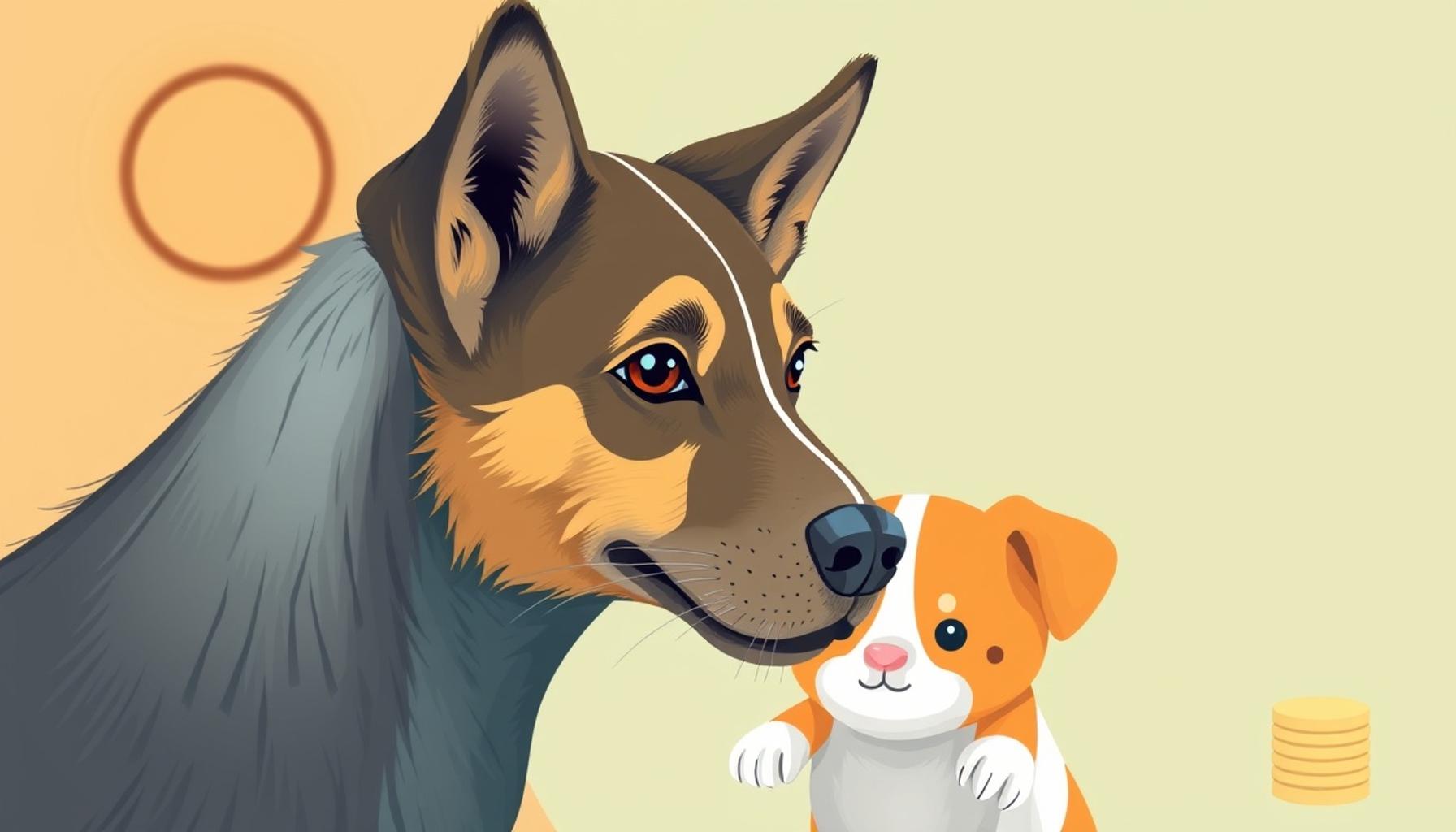
Behavioral Training Techniques to Reduce Anxiety in Pets

Understanding Pet Anxiety
Every pet owner dreads the moment they witness their furry friend in distress. Anxiety in pets can stem from various sources: loud noises, separation, or changes in routine. Events such as thunderstorms, fireworks, or even moving to a new home can trigger distress in pets. Identifying the root cause is crucial for effective management, as recognizing the symptoms can lead to timely intervention.
Common signs of anxiety may include changed behaviors such as excessive barking, destructive chewing, or even withdrawal from social interactions. Understanding these cues can help owners take the necessary steps to alleviate their pet’s discomfort. Furthermore, it can be beneficial to keep a record of instances where anxiety is exhibited, enabling owners to identify patterns related to specific triggers.
Why Behavioral Training Matters
Behavioral training techniques provide a structured approach to help pets learn healthier responses to their triggers. These methods focus on improving the animal’s confidence and coping skills through positive reinforcement. Training not only addresses the symptoms of anxiety but also fosters a sense of safety and security in the pet’s environment. The relationship between an owner and their pet can greatly improve when both parties invest time and effort into understanding and managing anxiety.
Common Techniques to Consider
- Desensitization: This involves gradually exposing your pet to the anxiety-inducing stimuli in a controlled and safe manner. For instance, if your dog is fearful of fireworks, you might play recordings of firework sounds at low volumes, gradually increasing the intensity as your pet becomes more comfortable.
- Counter-conditioning: This technique replaces negative associations with positive experiences. If a pet becomes anxious during a thunderstorm, offering treats or engaging in play during the storm can help associate thunder with enjoyable moments instead of fear.
- Consistency in Commands: Using clear and consistent cues can build trust between pets and their owners. A pet that knows what to expect is less likely to feel anxious. For example, consistently using the same commands and tone of voice can create a sense of routine that helps relieve tension.
- Creating a Safe Space: Design a secure area for pets during stressful situations. This could be a cozy corner with their favorite blanket and toys where they can retreat when feeling anxious. Providing a safe haven can significantly reduce the amount of stress they experience.
These techniques not only help to reduce anxiety but also strengthen the bond between pets and their owners. Engaging with your pet through these training techniques can transform anxiety-driven behaviors into positive actions. A consistent approach fosters an environment of trust, allowing pets to feel more secure in their surroundings.
Explore Further
In this article, we will delve deeper into each technique, examining their applications and effectiveness. Learn how to implement these strategies effectively, paving the way for a happier, healthier life for your beloved pet. By taking proactive steps in addressing anxiety, you can improve not just your pet’s day-to-day experience but also your overall relationship with them.
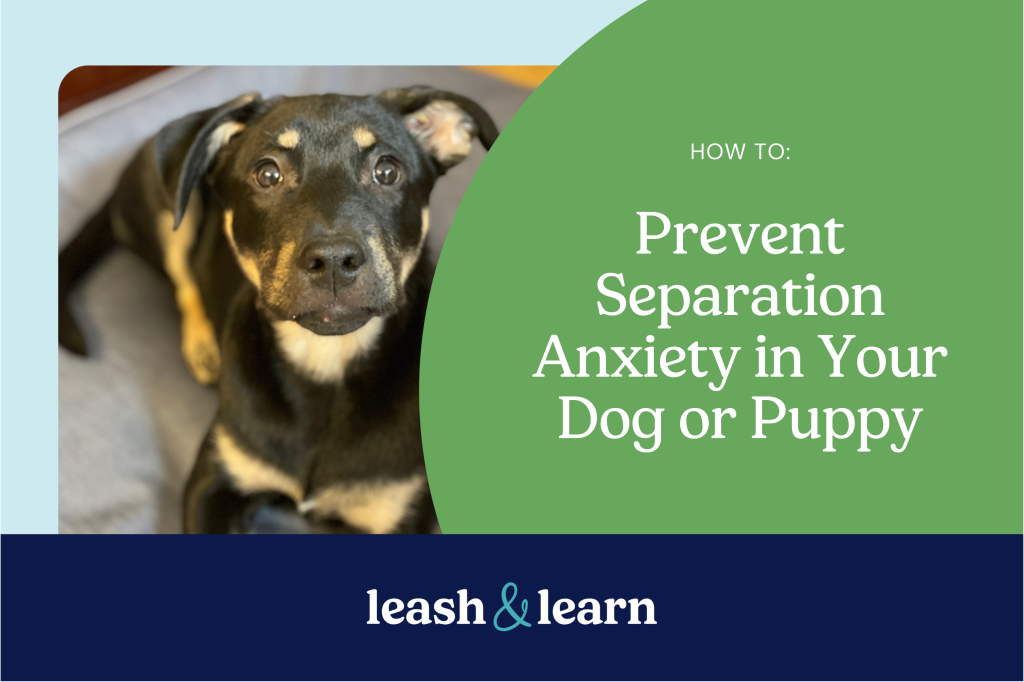
As we continue to explore these essential training techniques, we invite you to discover practical tips and resources that can guide you toward making a difference in your pet’s life.
Exploring Effective Behavioral Training Techniques
When it comes to managing pet anxiety, the focus should not just be on alleviating symptoms but also on empowering your pet to cope with their fears more effectively. Behavioral training techniques offer pet owners a proactive approach, transforming the emotional landscape for both pet and owner. By employing various methods, owners can create a supportive environment that encourages positive behavior and reduces anxiety.
Desensitization: A Gradual Approach
Desensitization is one of the most recognized techniques within the realm of behavioral training. This method involves slowly introducing your pet to a stressful stimulus in a controlled manner. For example, if your dog is scared of thunderstorms, begin by playing a recording of thunder at a very low volume while providing treats and praise. As your pet becomes more accustomed to the sound, gradually increase the volume over time. This technique not only reduces fear but also teaches your pet that they can control their response to anxiety-inducing situations.
Counter-Conditioning: Forming Positive Associations
In tandem with desensitization, counter-conditioning plays a pivotal role in reshaping your pet’s emotional responses. This technique helps in redirecting negative feelings towards a positive experience. For instance, if your pet experiences anxiety during fireworks, utilize this technique by offering their favorite treats whenever they hear the sound of fireworks, even from a distance. Over time, your pet will likely begin to associate the noise with something pleasant, thereby reducing their anxiety linked to that specific event.
The Importance of Consistency in Training
Creating an environment of consistency is vital in building trust and security for your pet. Consistent commands and predictable routines can make a significant impact. For example, using the same verbal cues for commands, employing a calm yet firm tone, and maintaining a regular schedule for feeding and exercise can help establish a sense of normalcy. This predictability can be especially beneficial for pets that are prone to anxiety, as it minimizes surprises that can trigger stress responses.
Establishing a Safe Space for Pets
A safe space tailored to your pet’s preferences serves as a sanctuary when anxiety strikes. This area should feel secure and comfortable, filled with their favorite blankets, toys, and perhaps a piece of your clothing to bring familiarity. When pets have a designated spot to retreat, they are empowered to self-soothe during moments of distress, thereby reducing their overall anxiety levels.
By incorporating these behavioral training techniques, pet owners can foster a more tranquil environment for their furry companions. Understanding that anxiety is not just a behavioral issue, but an emotional challenge, is key in providing appropriate solutions that work. The journey toward reducing anxiety in pets involves patience and commitment, but the rewards are well worth the effort, as a confident and calm pet builds a harmonious household.
Learn More About Each Technique
In the upcoming sections of this article, we will explore each of these behavioral training techniques in greater detail, providing practical examples you can implement in your pet’s daily life. Stay tuned as we delve deeper into how these strategies can make a significant difference in reducing pet anxiety, creating a happier, healthier life for your beloved animal companion.
| Training Technique | Advantages |
|---|---|
| Desensitization | Gradually reduces anxiety triggers, allowing pets to face their fears comfortably over time. |
| Positive Reinforcement | Encourages desired behaviors positively, creating a safe and supportive learning environment for pets. |
| Counterconditioning | Associates anxiety-inducing stimuli with positive experiences, ultimately changing the emotional response to stressors. |
| Consistency and Routine | Establishing a predictable schedule alleviates anxiety as pets feel more secure knowing what to expect. |
Engaging in these behavioral training techniques not only addresses the immediate problem of anxiety but also fosters a stronger bond between pets and their owners. The gradual process inherent in desensitization allows for a gentle yet effective approach, enabling pets to adapt without overwhelming stress. Positive reinforcement further solidifies desirable behaviors, turning anxiety into confidence.Counterconditioning offers a surprising twist on traditional methods, fundamentally shifting how pets perceive their triggers. Meanwhile, adhering to a consistent routine not only helps in anxiety reduction but creates a healthier overall environment for your pet. Such techniques, while nurtured in a supportive setting, pave the way for long-term emotional well-being.Pet owners looking to explore these techniques will find a wealth of resources available, further ensuring that their beloved companions not only thrive but flourish in their everyday lives. Understanding these methods is an essential step toward a calmer pet and a more harmonious home.
Enhancing Coping Mechanisms Through Positive Reinforcement
In addition to desensitization and counter-conditioning, positive reinforcement is an essential behavioral training technique that can significantly reduce anxiety in pets. This method involves rewarding desired behaviors with treats, praise, or play, thus reinforcing those actions. By focusing on rewarding calm behavior during stressful situations, pets learn that they can remain relaxed and receive positive attention, which can alter their natural response to anxiety-inducing stimuli. For example, if your dog remains calm during a thunderstorm, offering treats and affection can encourage them to repeat this behavior in future storms.
Socialization: Building Confidence Through Interaction
Another crucial technique is socialization, which aims to expose pets to diverse environments, sounds, and other animals in a controlled, positive manner. A well-socialized pet is typically more resilient to anxiety. Engage your dog in organized playdates with well-behaved canines or visit a local park during quieter times to introduce them to new sights and sounds gradually. Similarly, for cats, introducing them to various parts of the home, allowing them to explore at their own pace, can build confidence and reduce fear of the unknown.
Utilizing Calming Products
Incorporating calming products into behavioral training can supplement traditional techniques effectively. Options include calming collars, pheromone diffusers, and anxiety wraps, which provide comfort and security to anxious pets. These products work by releasing soothing scents or applying gentle pressure, complementing the behavioral strategies discussed above. For instance, a calming collar infused with pheromones might help your dog feel more at ease during a fireworks display, making it easier to reinforce positive behavior through training.
Incorporating Enrichment Activities
Environmental enrichment also plays a vital role in reducing anxiety levels. Engaging pets in mentally stimulating activities helps alleviate boredom and the likelihood of developing anxiety-driven behaviors. Interactive toys, puzzle feeders, or scent games provide your pet with an opportunity to engage their minds, thereby reducing stress. For example, hide treats in various places around the house and encourage your pet to find them; this not only keeps them occupied but also reinforces their problem-solving skills in a fun way.
Professional Support and Training Classes
For persistent anxiety, consider seeking professional help. Animal behaviorists and certified trainers can provide tailored solutions and unique strategies catered to your pet’s specific needs. Many trainers offer group classes that focus on socialization and anxiety management skills, allowing your pet to learn in a supportive environment with other animals. This support not only helps you implement effective training techniques at home but also fosters a community for pet owners navigating similar challenges.
Integrating these behavioral training techniques into your routine can create a lasting positive impact. By actively engaging with your pet’s emotional needs and providing tools that empower them, you foster an atmosphere where both you and your pet can thrive. The journey towards alleviating anxiety is a collaborative effort that requires commitment, love, and understanding, leading to a more fulfilling relationship with your furry companion.
Conclusion: Building a Calmer Future for Pets
Addressing anxiety in pets requires a multifaceted approach that combines understanding, patience, and innovative behavioral training techniques. By employing methods such as positive reinforcement, socialization, and the use of calming products, pet owners can significantly enhance their companions’ emotional well-being. Each technique plays a vital role in restructuring how pets respond to anxiety-inducing stimuli, paving the way for improved behaviors and a more enjoyable living environment.
The journey to reducing anxiety should also incorporate environmental enrichment and opportunities for professional support. Engaging pets in mentally stimulating activities not only counters boredom but also strengthens the bond between pet and owner. Moreover, seeking guidance from experienced trainers can provide tailored strategies that cater to the unique needs of each animal, ensuring a comprehensive approach to anxiety management.
Ultimately, the responsibility lies in the hands of pet owners to commit to these techniques. By creating a consistent, nurturing atmosphere that prioritizes mental health, the relationship between humans and pets can flourish. As awareness of pet anxiety continues to grow, it becomes imperative for owners to explore and implement effective training strategies. Embracing these practices not only aids in alleviating anxiety but also enriches the overall quality of life for pets, leading to happier, more confident companions.