
Care for the Coat: Tips to Keep Your Pet’s Fur Healthy and Shiny
Understanding Coat Health
Your pet’s coat serves as a vital indicator of their overall health and well-being. A shiny and healthy coat not only enhances your pet’s appearance but is also a reflection of proper care, hygiene, and nutrition. Just like humans, pets require consistent maintenance and attention to their coats to thrive. An understanding of the fundamental requirements for coat care can dramatically improve your pet’s quality of life and comfort.
Factors Influencing Coat Health
To maintain a vibrant and healthy coat, several key factors should be considered:
- Regular Grooming: Regular brushing is essential for all pets. It helps to remove dirt, debris, and loose hair, preventing matting, which can cause discomfort. For example, a Golden Retriever benefits immensely from weekly brushing that not only clears away shedding fur but also encourages natural oils to spread evenly, resulting in a shiny coat. Consider investing in quality grooming tools such as slicker brushes or de-shedding tools specifically designed for your pet’s fur type.
- Proper Nutrition: A balanced diet is critical in maintaining a healthy coat. Foods rich in proteins and omega fatty acids—such as salmon oil, flaxseed, and certain types of fish—promote skin health and support a lustrous appearance. Look for pet foods that list meat as the first ingredient and consider supplements that can enhance coat condition. Discuss with your veterinarian about the best dietary options tailored to your pet’s needs.
- Hydration: Just like diet, ensuring that your pet stays hydrated is key to coat health. Lack of adequate water intake can lead to drier skin and a lackluster coat. Pet owners can encourage their furry friends to drink more water by providing fresh, clean water daily and incorporating wet food into their diet if they are mainly on a dry kibble regimen.
Common Misconceptions
In the United States, many pet owners often underestimate the importance of coat care. For instance, some may assume that only long-haired breeds require regular grooming, while in reality, short-haired breeds can also benefit significantly from consistent brushing and care. Ignoring coat maintenance can lead to serious issues, such as skin irritations, infections, and excessive shedding during seasonal changes. Templates for preventative care should be established early on to maintain optimal coat health.
By learning effective grooming techniques and understanding the nutritional and hydration needs of your pet, you can help them achieve a coat that not only looks appealing but feels soft and healthy to the touch. In the sections that follow, we will explore specific tips and tricks to enhance your pet’s coat care routine. From selecting the right grooming tools to understanding the nuances of pet nutrition, we will uncover the secrets to achieving a vibrant and luscious coat that turns heads wherever you go!
Grooming Techniques for a Beautiful Coat
When it comes to caring for your pet’s coat, effective grooming techniques are paramount. Regular grooming not only keeps the fur looking pristine but also strengthens the bond between you and your furry friend. Each type of coat—whether straight, curly, or wiry—has its own unique requirements, making it essential to tailor your grooming routine accordingly.
Choosing the Right Tools
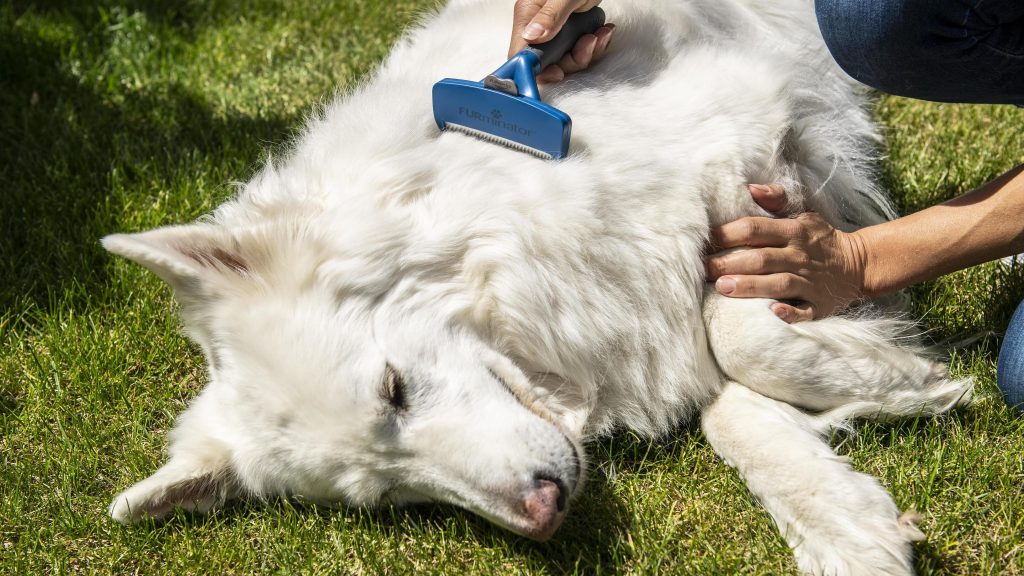
Investing in the right grooming tools is crucial for maintaining a healthy coat. Depending on your pet’s fur type, you may need specific tools to achieve optimal results. Here’s a quick guide:
- Slicker Brushes: Ideal for long-haired breeds. These brushes effectively remove tangles and loose hair, while also distributing natural oils across the coat for added shine.
- De-shedding Tools: Great for short-haired breeds or those that shed considerably. These tools help to reduce shedding by reaching the undercoat without damaging the top layer of fur.
- Combs: A good quality comb can help in untangling knots and checking for parasites such as fleas or ticks.
- Clippers: Necessary for breeds that require a trim or grooming to maintain a specific coat length. Always use clippers designed for pet grooming to ensure comfort and safety.
Frequency of Grooming
How often you groom your pet depends significantly on their coat type. Long-haired breeds may need grooming every day to prevent mats, whereas short-haired pets might do well with bi-weekly sessions. It’s advisable to set a routine; for instance, creating a fun grooming day can turn a chore into a bonding experience. Pay attention to shedding patterns seasonally, as many pets shed more in the spring and fall, requiring more frequent grooming during these times.
Bathing and Product Choice
Bathing is another essential component of coat care. However, it should not be overdone, as excessive washing can strip natural oils that keep the fur shiny. Aim to bathe your pet every 4 to 6 weeks, or as needed, depending on their lifestyle and activities. When selecting shampoos and conditioners, go for options that are specifically designed for pets to ensure they are gentle on the skin and coat. Natural ingredients such as oatmeal or aloe can provide soothing benefits for skin irritations, while coconut oil has been known to promote a shiny appearance.
Consider creating a coat care checklist to track your grooming tasks and ensure you don’t overlook any essential steps. Quality coat care goes beyond mere aesthetics—it’s also a vital part of your pet’s health and happiness.
| Category | Details |
|---|---|
| Nutrition | A balanced diet enriched with omega fatty acids and essential vitamins promotes healthy skin and fur. |
| Grooming | Regular brushing removes dead hair and dirt, contributing to a shiny coat and reducing shedding. |
| Hydration | Access to fresh water helps maintain skin elasticity and overall coat health. |
| Regular Vet Check-ups | Routine visits can address skin issues promptly, ensuring a healthy, shiny coat. |
In this segment, we explore fundamental practices that can have a profound impact on your pet’s fur health. Emphasizing the importance of nutritional balance, it’s crucial to include high-quality dog food or cat food that offers the right balance of nutrients. Foods rich in omega-3 fatty acids encourage a vibrant and lustrous coat.Additionally, regular grooming routines play a pivotal role; they not only beautify your pet’s appearance but also foster a stronger bond. Consider including a quality brush and using grooming tools suitable for your pet’s coat type. Keep in mind that maintaining sufficient hydration is equally important. Ensure that your furry friend has unlimited access to clean water to keep their skin and fur well-hydrated.The importance of regular vet check-ups cannot be overstated, as they help in early detection of any underlying skin conditions or allergies affecting your pet’s coat. By integrating these crucial elements into your pet care routine, you’re enhancing the overall health and shine of their fur.
Nutrition: The Foundation of a Healthy Coat
One of the most significant factors affecting your pet’s coat health is their diet. Just like humans, pets require a balanced diet full of essential nutrients to maintain vibrant skin and fur. A diet rich in protein, fatty acids, vitamins, and minerals can enhance coat shine and promote overall well-being. Here are some key elements to consider when evaluating your pet’s nutrition:
High-Quality Protein
Protein is a fundamental building block for your pet’s fur. Ensure that your pet’s food contains high-quality protein sources such as chicken, fish, or lamb. These protein sources provide amino acids necessary for the regeneration of skin and fur, contributing to a lustrous coat. Look for pet foods that list a specific animal protein as the first ingredient and avoid those with fillers or by-products.
Omega Fatty Acids
The inclusion of Omega-3 and Omega-6 fatty acids in your pet’s diet can make a significant impact on their coat’s health. These fatty acids help to maintain moisture in the skin and promote elasticity, preventing dryness and flakiness. Fish oil, flaxseed, and certain types of seeds are excellent sources of Omega fatty acids. Consider discussing supplementation with your veterinarian if your pet’s food does not contain enough of these essential nutrients.
Vitamins and Minerals
Vitamins such as A, E, and the B-complex group are crucial for a shiny coat. Vitamin E, in particular, is known for its ability to support skin health and combat oxidative stress. A deficiency in these vitamins can lead to dullness and poor fur texture, so ensure your pet’s diet includes a variety of vegetables and fruits rich in these nutrients. Foods like sweet potatoes, spinach, and blueberries can provide a boost while adhering to a balanced diet.
Environmental Factors and Coat Care
Beyond grooming and nutrition, environmental factors play a critical role in maintaining your pet’s coat health. From seasonal changes to indoor conditions, numerous external influences can affect the texture and shine of your pet’s fur.
Climate Considerations
Pets react to seasonal changes just as humans do. During hotter months, shedding often increases as pets adapt to the heat; conversely, during cooler months, fur may become thicker. Regularly brushing your pet during seasonal transitions will help manage the shedding and keep their fur looking healthy. In addition, maintaining a comfortable indoor temperature can prevent overheating or excessive dryness, both of which can negatively impact coat health.
Hydration is Key
Just as nutrition influences coat health, proper hydration is vital as well. Ensure your pet has constant access to fresh water, as dehydration can lead to dry, flaky skin and a dull coat. Some pets may benefit from wet food to increase their moisture intake—discuss with your vet to find the best hydration strategy for your furry companion.
Understanding the interplay between grooming, nutrition, and environmental factors equips pet owners with the tools to ensure their companions sport a healthy, shiny coat. By committing to a thorough coat care regimen, you’re not only enhancing your pet’s appearance but also supporting their overall health and happiness.
Conclusion: Embrace a Holistic Approach to Coat Care
In conclusion, achieving and maintaining a healthy and shiny coat for your pet requires a multifaceted approach that combines nutrition, grooming, and environmental awareness. By ensuring a balanced diet rich in high-quality proteins, Omega fatty acids, vitamins, and minerals, you lay the groundwork for vibrant fur and skin. But it doesn’t stop at nutrition; regular grooming sessions not only eliminate loose fur and debris but also provide an ideal opportunity for bonding with your furry friend. This interaction can be particularly beneficial for breeds that require more intensive grooming, promoting both emotional well-being and physical health.
Furthermore, being attuned to environmental factors such as seasonal changes and humidity levels can make a considerable difference. A comfortable living environment and proper hydration should not be underestimated. Be observant of your pet’s grooming needs throughout the seasons, ensuring that they are adequately cared for, to prevent dryness or excess shedding.
Ultimately, your pet’s coat is a reflection of their overall health and happiness. By adopting a comprehensive care strategy, you can not only enhance their appearance but also contribute to their quality of life. As you make a commitment to your pet’s coat care, remember—it’s not just about aesthetics; it’s about fostering a healthy, loving relationship with your cherished companion. So, as you navigate the world of pet care, keep these tips in mind to ensure that your pet’s fur remains a source of pride and joy for years to come.