
Effective Behavioral Training Techniques for Rescue Dogs

Understanding the Unique Journey of Rescue Dogs
Welcoming a rescue dog into your home is an enriching experience, yet it often comes with a variety of challenges stemming from their previous traumas. Many rescue dogs have faced neglect, abuse, or abandonment, which can leave them apprehensive or fearful in their new surroundings. Therefore, it is imperative to employ effective behavioral training techniques to aid in their transition and help them adjust successfully.
Understanding the individual needs of your rescue dog is critical for nurturing a loving and harmonious relationship. This comprehension not only simplifies training but also enhances the quality of life for both the dog and owner. Key training techniques can significantly improve the bond between you and your rescue dog while promoting their overall well-being. Here are some essential methods:
- Positive Reinforcement: Rewarding good behavior with treats or praise not only encourages desired actions but also builds a trusting relationship. For instance, when a dog sits quietly instead of barking excessively, rewarding them with a treat or enthusiastic praise affirms that they are doing what is expected.
- Consistency: Establishing a predictable routine can greatly reduce anxiety. Dogs thrive on routine, and knowing what to expect throughout the day—such as designated feeding times and walk schedules—can help your rescue dog feel secure and safe.
- Clicker Training: This method involves using a clicker to mark and reinforce positive behaviors immediately. The sound of the click signifies that the dog did something right, which, when followed by a treat, helps them learn more effectively. This method can be particularly beneficial for dogs who may have been through various types of training and need clear communication.
- Socialization: Gradually exposing rescue dogs to new environments, people, and other animals is crucial for their emotional development. It’s important to introduce these experiences at the dog’s pace to prevent overwhelming them, and positive interactions can foster confidence and security.
Each rescue dog is indeed unique, and their specific training journey should be tailored to address individual challenges. For example, a dog that cowers in the presence of loud noises may require desensitization exercises, while another that tends to react fearfully to new people may need careful socialization techniques.
Effective training not only serves to educate but also empowers rescue dogs to become well-adjusted companions. This transformative process underscores the profound impact you can have on their lives. By choosing the right training techniques, you not only assist in their adjustment but also enrich the invaluable bond you share together.
As you embark on this gratifying journey, remember that patience and understanding are your greatest allies. Explore these training techniques further, consult with trainers if necessary, and enjoy the rewarding experience of reshaping your rescue dog’s future.
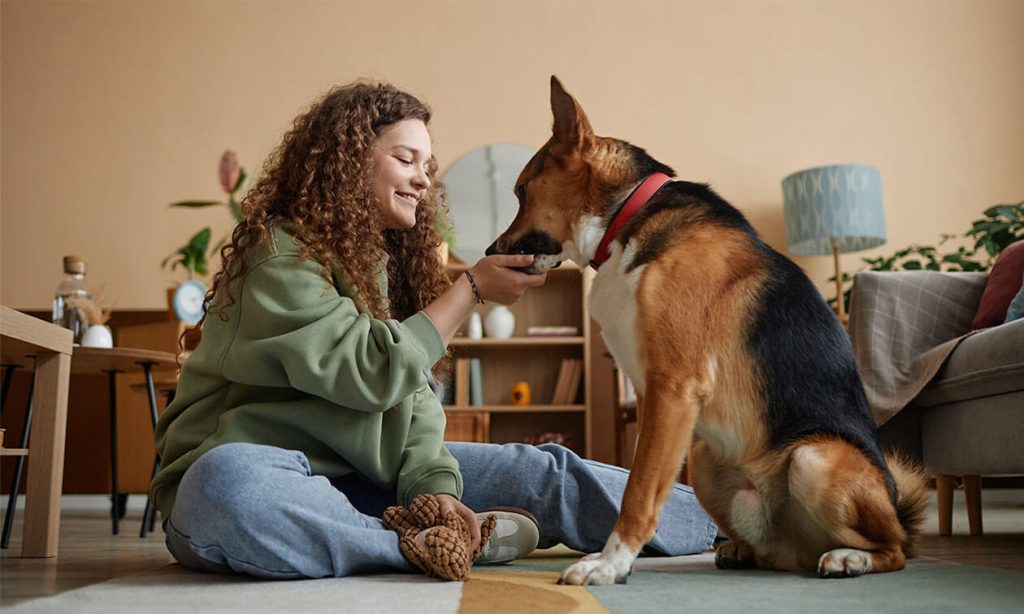
Implementing Essential Training Techniques
When it comes to training rescue dogs, employing a multi-faceted approach is crucial. Each technique plays a pivotal role in shaping a well-behaved companion. By understanding and implementing various behavioral training techniques, you can create a nurturing environment that addresses the unique needs of your rescue pup. Here are some effective strategies to consider:
- Gradual Exposure to Stimuli: Rescue dogs may have heightened sensitivities due to past experiences. Gradually introducing them to different sounds, sights, and situations can help them acclimate without becoming overwhelmed. For example, if a dog is fearful of loud noises, starting with recorded sounds at a low volume and rewarding calm behavior can gradually build their confidence.
- Set Clear Boundaries with Commands: Establishing commands such as “sit,” “stay,” and “come” lays the foundation for effective communication. Use positive reinforcement when these commands are followed to create a structure in the dog’s daily life. A consistent command system not only fosters discipline but also enhances trust and understanding between you and your dog.
- Short Training Sessions: Rescue dogs can be more sensitive to stress and anxiety, making long training sessions counterproductive. Keeping training brief and engaging—around 5 to 10 minutes—can maintain their focus and eagerness to participate. Frequent, short sessions throughout the day can reinforce learning without overwhelming them.
- Desensitization and Counterconditioning: For dogs showing signs of fear or aggression towards specific stimuli, desensitization alongside counterconditioning can be particularly effective. Introduce the stimulus at a level that does not provoke fear, and reward calm behavior with treats or praise. Over time, this can help change the dog’s emotional response to the trigger, fostering a sense of safety and ease.
Incorporating these techniques into your training routine can not only address behavioral issues but also build a more profound bond. Understanding that rescue dogs may take longer to adjust is vital; patience and persistence are essential components of effective training. Celebrate small victories, as they signify progress and reinforce your commitment to their emotional and behavioral well-being.
Moreover, considering the importance of seeking professional help cannot be overstated. Many trainers specialize in the care and training of rescue dogs, offering valuable insights and customized plans that account for your dog’s specific needs. This additional support can help you navigate the intricacies of their behavioral challenges more effectively.
Fostering a loving environment, combined with a variety of training techniques, will pave the way for a harmonious coexistence between you and your rescue dog. Remember, every effort you make is a stepping stone toward a strong, trusting relationship that can endure beyond training sessions.
| Training Methods | Advantages |
|---|---|
| Positive Reinforcement | Encourages desired behaviors through rewards, fostering a strong bond between dog and owner. |
| Clicker Training | Provides clear communication and immediate feedback, making training sessions more effective and engaging. |
| Behavior Adjustment Training | Addresses specific behavioral issues like anxiety or aggression, improving the dog’s overall quality of life. |
| Socialization Techniques | Encourages positive interactions with other dogs and people, significantly reducing fear and behavioral problems. |
Effective behavioral training techniques for rescue dogs not only help in correcting unwanted behaviors but also play a pivotal role in improving the dog’s emotional well-being. Such training emphasizes understanding the unique backgrounds and histories of rescue dogs, ensuring that they receive the support and guidance needed to thrive in a loving environment. By employing methods like positive reinforcement and clicker training, owners can cultivate a trusting relationship that enhances both the dog’s learning and emotional security. These techniques are crucial in teaching rescue dogs that they are safe and valued, paving the way for a fulfilling life together with their human companions. Each training approach, tailored to individual needs, empowers rescue dogs to become well-adjusted family members. Owners are encouraged to continue their learning journey, exploring workshops and resources that delve deeper into these invaluable techniques.
Building a Lasting Relationship Through Trust and Communication
The core of successful training for rescue dogs lies not only in the techniques employed but also in the relationship cultivated between owner and pet. Establishing trust and open lines of communication are essential for yielding the best results. Here are further strategies that can enhance both training effectiveness and emotional bonding:
- Consistency is Key: Maintaining a consistent set of training cues and routines can significantly impact a rescue dog’s ability to learn and adapt. This consistency creates a predictable environment that lowers anxiety and builds trust. For example, if you always use “down” to prompt your dog to lay down, using this term consistently will help your dog grasp the command more quickly.
- Utilizing High-Value Rewards: Different dogs respond to various forms of motivation. While some may be driven by praise or petting, others might be more enthusiastic about food rewards. Experiment with different treats or toys to discover what your rescue dog finds most enticing. The most effective training often involves using high-value rewards that your dog doesn’t receive at other times, keeping the experience exciting and motivating.
- Incorporating Play into Training: Training doesn’t have to feel like work for either you or your dog—it can be a fun, interactive experience. Incorporate play into your training routine to keep your dog engaged. Activities like fetch or hide-and-seek can reinforce commands such as “come” or “stay” in a playful context. This approach not only solidifies learning but also communicates to your dog that training sessions are enjoyable.
- Socialization Opportunities: Providing rescue dogs with opportunities to socialize with other dogs and people is an essential aspect of training. Controlled exposure to new environments and interactions helps mitigate anxiety and fear. Consider enrolling your dog in group training classes where they can learn alongside peers in a structured yet social setting, allowing them to practice commands while building confidence.
Recognizing the individual personality and history of your rescue dog plays a pivotal role in tailoring your training approach. Some dogs may have specific fears or hesitations rooted in their past experiences. For instance, a dog who has been abandoned may struggle with separation anxiety. Adjusting your training techniques to accommodate these behaviors while promoting gradual independence can be particularly beneficial.
It is equally beneficial to monitor your dog’s body language during training sessions. Understanding signals like tail wagging, flattened ears, or avoidance can provide insights into their comfort level and willingness to participate. By responding appropriately to these cues, you help foster a sense of safety, enhancing the overall training experience.
Lastly, consider incorporating technology into your training regimen. Tools such as clickers can be effective in bridging communication gaps, particularly for dogs who may not respond well to verbal commands alone. A precise clicking sound, paired with a timely reward, can clarify correct behavior, offering immediate feedback that many dogs find motivating.
Incorporating these additional strategies can lead to comprehensive, effective training and foster a deep, trusting relationship with your rescue dog. A partnership built on understanding, patience, and mutual respect will not only enrich your dog’s training journey but also enhance the companionship you share, creating a fulfilling bond that lasts a lifetime.
Conclusion: Embracing a Holistic Approach to Training
Training a rescue dog is a journey that, when approached with the right techniques and mindset, can yield incredible results and strengthen the bond between pet and owner. As we’ve explored in this article, effective behavioral training techniques involve not only practical strategies but also an understanding of the unique backgrounds and needs of each dog. Cultivating an atmosphere of trust and communication is paramount, serving as the foundation upon which successful training is built.
Utilizing consistent commands, high-value rewards, and incorporating play can transform training sessions into enjoyable experiences for both you and your rescue dog. Equally important is providing opportunities for socialization, aiding in their adaptation to new environments and facilitating confidence-building. Remember that progress may sometimes be slow, and it’s crucial to remain patient and adaptable, recognizing each dog’s individual personality and past experiences.
Moreover, by being attuned to your dog’s body language, you enhance your ability to respond to their comfort levels and needs, making training a safer and more effective process. The integration of technology, such as clicker training, can offer clarity and reinforce positive behaviors, ensuring that your dog understands and feels encouraged during the learning process.
Ultimately, the essence of effective behavioral training techniques for rescue dogs lies in creating a partnership built on understanding and compassion. By embracing these principles, you not only equip your rescue dog with valuable skills but also foster lasting companionship that enriches both your lives. As you embark on or continue this rewarding journey, know that each step you take holds the power to transform a bygone past into a fulfilling present, one paw at a time.