How Behavioral Training Can Help in the Rehabilitation of Animals with Aggressive Behaviors

The Complex Nature of Animal Aggression
Aggressive behaviors in animals can often be a source of concern for pet owners and the broader community. This aggression manifests in various forms, such as a dog’s growl when confronted with a stranger, or a cat’s sudden swipe at an approaching hand. Understanding the underlying causes of these behaviors is essential, as they can result from fear, territorial instincts, pain, or even early experiences with humans. For instance, a puppy raised in isolation may not know how to interact appropriately with people or other animals, leading to unpredictable aggression when finally exposed to social situations.
The Importance of Behavioral Training
Behavioral training is instrumental in managing and rehabilitating aggressive animals, serving as a bridge between distressing behaviors and a harmonious relationship between the animal and its owner. The benefits of effective training extend beyond mere behavior modification:
- Promotes Understanding: Through training, owners can gain insights into their pet’s motivations for aggressive actions. For example, recognizing that a dog may be barking out of fear rather than pure hostility can change how an owner approaches training.
- Reduces Risk: By employing effective training techniques, the likelihood of injuries—both to the animal and to humans—can be significantly decreased. Educated owners are less likely to put themselves and their pets in compromising situations.
- Enhances Bonding: Engaging in training creates opportunities for positive interactions between the animal and the owner. This can deepen their bond, ultimately creating a more positive environment for both parties.
Techniques Used in Rehabilitation
When it comes to successfully rehabilitating aggressive animals, employing specific techniques is crucial. Approaches may include:
- Positive Reinforcement: This method involves rewarding desirable behaviors—such as sitting calmly when meeting a new person—with treats or praise. Over time, this encourages the animal to repeat those behaviors, effectively replacing aggressive tendencies with more acceptable reactions.
- Desensitization: Gradually introducing the animal to situations or stimuli that trigger their aggression—at a pace they can handle—can help reduce their fear and subsequent aggressive reactions. For example, slowly allowing a dog to interact with unfamiliar people while rewarding calm behavior can decrease anxiety over time.
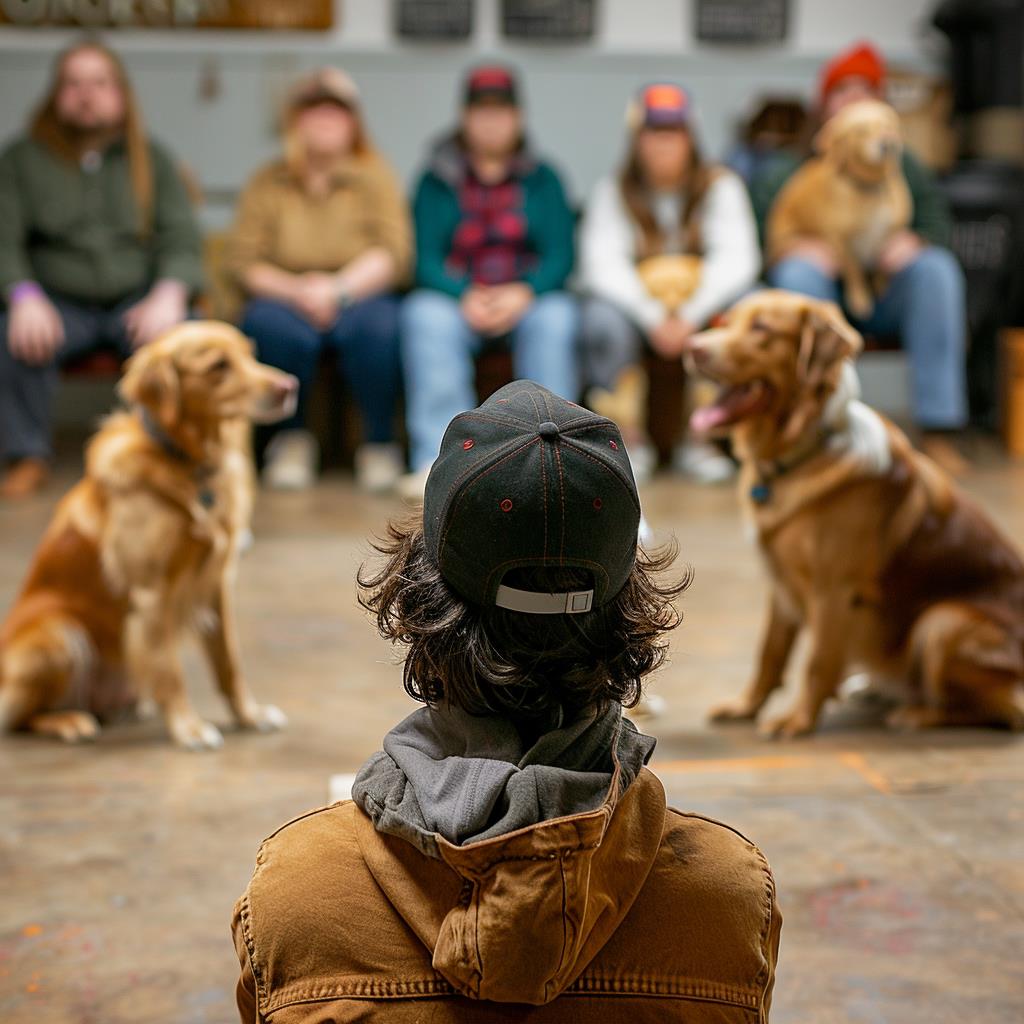
- Socialization: Exposing the animal to diverse environments, people, and other animals in a controlled manner enables them to learn appropriate social behaviors. Structured playdates or social classes can be particularly beneficial in helping an aggressive dog learn to interact positively with others.
As we explore these effective rehabilitation methods further, it becomes clear that behavioral training can profoundly transform aggressive tendencies into friendly dispositions. This journey not only benefits the animal but also enhances the quality of life for their owners, making it a deeply rewarding endeavor. Ultimately, a well-trained pet can lead to a happier household and a more connected community.
Understanding the Mechanisms of Aggression
To effectively rehabilitate an aggressive animal, it is crucial to first comprehend the mechanisms that underlie their behavior. Aggression can stem from a myriad of factors, including genetics, environmental influences, and individual temperament. By identifying these root causes, trainers and pet owners can develop targeted behavioral training techniques that are more likely to yield positive results. For example, certain breeds, such as the Rottweiler or the German Shepherd, may exhibit protective instincts that can be misconstrued as aggression. Understanding whether a dog’s behavior is born out of a protective nature or actual hostility is the cornerstone of effective rehabilitation.
The Role of Early Experiences
Early experiences are pivotal in shaping an animal’s behavior, particularly during their formative months. Studies have shown that animals deprived of positive social interactions early in life can develop fear-based responses as they mature. For instance, dogs that are well-socialized—exposed to diverse stimuli such as loud noises, new environments, and interactions with a variety of people and other animals—typically display fewer aggressive behaviors later on. A famous study conducted by the American Veterinary Society of Animal Behavior highlighted that puppies introduced to different situations between 3 to 14 weeks are significantly less likely to develop serious behavioral issues. This data reinforces the necessity for proactive socialization strategies, laying a strong foundation for a well-adjusted adult dog.
Recognizing Warning Signs
Before addressing aggression through structured training, pet owners must first be attuned to the warning signs that signal an animal’s distress. These signs include:
- Body Language: An aggressive animal often displays signs of tension. Look for a stiff posture, raised hackles, and a fixed stare. Ignoring these initial displays can lead to escalated aggressive behavior.
- Vocalizations: Sounds such as growling, barking, or snarling are unmistakable indicators of discomfort or aggression. Recognizing the context of these vocalizations is essential in addressing the underlying causes effectively.
- Behavioral Changes: Any sudden shifts in an animal’s demeanor, like increased aggression towards previously friendly individuals, should raise red flags. Such changes may indicate stress factors or health concerns and must be evaluated thoroughly.
By being vigilant to these signals, owners can intervene early, preventing aggressive behaviors from escalating. Once this awareness is established, implementing effective behavioral training becomes critical in guiding the animal on how to better manage their reactions. Techniques focusing on understanding and empathy, such as positive reinforcement and desensitization, have shown remarkable results. For example, rewarding a dog for calm behavior in potentially triggering situations can create new, positive associations, allowing them to respond more appropriately over time.
In exploring behavioral training methodologies in further detail, we will uncover how these insights facilitate effective interventions, transforming an aggressive disposition into a more balanced, socially adapted behavior. Not only does this transformation enhance the quality of life for the animal itself, but it also fosters a safer, more enjoyable living environment for everyone involved.
| Advantage | Description |
|---|---|
| Effective Communication | Behavioral training fosters a better understanding between animals and their trainers, leading to improved responses to commands and a calmer demeanor. |
| Increased Safety | Through structured training, aggressive impulses can be redirected, ensuring the safety of both the animal and those around them, promoting peaceful interactions. |
| Socialization Opportunities | Training programs provide controlled environments for animals to socialize, reducing fear and anxiety, which are often triggers for aggression. |
| Long-term Behavior Changes | Continuous behavioral training not only modifies immediate aggressive behavior but also focuses on long-term solutions, establishing stable, healthy behavior patterns. |
Behavioral training is indeed a pivotal aspect of rehabilitating animals with aggressive behaviors. Not only does it address the symptoms, but it also uncovers the underlying issues contributing to aggression, such as fear or lack of socialization. By utilizing positive reinforcement techniques, trainers can promote desirable behaviors, significantly altering the animal’s emotional responses. This intricate process requires dedication and a nuanced understanding of each animal’s unique temperament, making it essential for trainers to equip themselves with knowledge about animal behavior. Moreover, the ripple effect of successful behavioral training extends beyond the individual animal. It fosters a more harmonious environment, benefiting pet owners and communities alike. As more pet owners become aware of the methodologies available to address aggression, they can significantly contribute to a safer and more understanding atmosphere for all animals involved. The road to rehabilitation may be challenging, but with appropriate techniques, the outcomes can be gratifying for animals and their human companions.
Implementing Effective Behavioral Training Techniques
Once the underlying factors of aggression have been identified and warning signs recognized, implementing effective behavioral training techniques becomes essential for rehabilitation. There are several methodologies that have gained traction in the field of animal behavior, each tailored to address specific aggression issues while reinforcing positive behaviors.
Positive Reinforcement
One of the most prominent strategies is positive reinforcement. This approach focuses on rewarding desired behaviors to increase their occurrence. For instance, if a dog begins to display calm behavior in a potentially triggering situation—such as the presence of another dog—it can be immediately praised or offered treats. This technique not only reinforces the calm behavior but also helps the animal associate the presence of the trigger with positive outcomes. Over time, this can lead to significant behavior change, as the animal learns to manage its reactions more effectively.
Desensitization and Counter-Conditioning
Desensitization involves gradually exposing the animal to the stimuli that trigger its aggression in a controlled manner. This exposure starts at a distance or intensity level that does not provoke a strong response and gradually increases as the animal becomes more comfortable. Coupled with this method, counter-conditioning aims to change the animal’s emotional response to the trigger. For example, if a dog becomes aggressive when seeing other dogs, owners might begin by allowing their pet to observe other dogs at a safe distance while simultaneously providing treats, thus converting its fear or discomfort into a more neutral or positive reaction.
Professional Guidance and Safety Measures
While many pet owners can implement these techniques, it’s often beneficial to seek the help of a professional animal behaviorist. Trainers with expertise in aggression rehabilitation can provide tailored guidance and ensure that training is conducted safely. This is especially crucial when dealing with particularly aggressive animals, as improper handling can lead to dangerous situations. Programs that emphasize safety measures, such as muzzling during initial training phases or using leashes that allow for better control, can be vital in protecting both the animal and its surroundings.
Consistency and Patience
Achieving substantial progress in altering aggressive behavior requires consistency and patience. Behavioral training is not a one-time solution but rather an ongoing process that demands daily reinforcement and adaptation to the animal’s changing needs. Maintaining a structured routine, providing regular training sessions, and ensuring all family members are on the same page are essential factors for success. The consistency of commands and expectations helps to foster a sense of security for the animal, thereby reinforcing learning and behavioral modification.
Moreover, incorporating elements of mental stimulation can be a game-changer. Engaging the animal in puzzle games or tasks can alleviate boredom and frustration, two common catalysts of aggression. A well-mentally-stimulated animal is often calmer and less prone to outbursts, making behavioral training more effective.
As we explore additional training techniques, understanding the profound interplay between behavior modification principles and the unique needs of individual animals remains a central theme. Behavioral training not only transforms aggressive tendencies but also nurtures a more harmonious relationship between animals and their caregivers, paving the way for a more fulfilling cohabitation.
Conclusion: Transforming Aggression into Harmony
In the intricate world of animal behavior, understanding and addressing aggression through behavioral training offers a beacon of hope for both pets and their owners. The journey from aggression to calmness is not merely about correcting undesirable behaviors; it’s about forging a deeper connection between animals and their caregivers. By employing techniques such as positive reinforcement, desensitization, and counter-conditioning, individuals can gradually reshape aggressive tendencies into constructive behaviors that coexist with their natural instincts.
The importance of professional guidance cannot be overstated. Experienced trainers can provide invaluable insight tailored to an animal’s specific needs, ensuring safety for all involved. This relationship between trainer and animal paves the way for lasting change, while the commitment to consistency and patience serves as the backbone of successful rehabilitation efforts. With dedicated training, even the most troubled animals can learn to respond to their environment in ways that promote tranquility and security.
Moreover, incorporating mental stimulation into a pet’s daily routine fosters a healthier mindset, addressing boredom and frustration that often exacerbate aggression. Consequently, rehabilitating aggressive behaviors not only cultivates a peaceful household but also enriches the lives of animals, leading to a fulfilling coexistence.
As we venture deeper into the science of animal behavior, it becomes clear that behavioral training goes beyond mere correction; it embodies a philosophy of empathy, understanding, and commitment to nurturing harmonious relationships. By embracing these training methods, pet owners can unlock a future where aggression is transformed into companionship, ultimately providing a safer and more joyful environment for all.