
How to Address Common Behavioral Issues in Cats Through Training
The Importance of Understanding Feline Behavior
Pet owners often find themselves puzzled by their cats’ intricate behaviors. Common issues such as aggression, litter box problems, or excessive meowing can disrupt the harmony in a household, leading to frustration and confusion. However, these challenges should not be interpreted as insurmountable roadblocks to having a peaceful coexistence with your furry companion.
Training your cat proves to be an effective strategy for addressing these behavioral problems. The benefits of training extend far beyond just correcting bad habits; they can significantly enrich the overall pet-owner experience. Here are some compelling reasons why engaging in training can be advantageous:
- Enhances Bonding: Regular training sessions can deepen the emotional connection between you and your feline friend. These moments encourage trust and understanding, laying the foundation for a stronger relationship.
- Promotes Calmness: Cats that undergo consistent training often display reduced levels of anxiety and stress. A well-behaved cat typically feels more secure in its environment, leading to a more relaxed demeanor.
- Increases Socialization: Training can greatly improve your cat’s interactions with both humans and other pets. A socially adept cat is more enjoyable to have around and can be more easily integrated into family life.
Understanding the underlying causes of your cat’s behavior is paramount for effective training. Some common triggers include:
- Stress or Anxiety: Significant changes in the household, such as a move, new family members, or even holidays can lead to behavioral changes in your cat. Recognizing these changes and providing a sense of stability can alleviate stress.
- Need for Stimulation: Cats are highly intelligent creatures that require mental and physical stimulation. Boredom often leads to destructive behaviors, such as scratching furniture or knocking over items. Engaging toys and interactive play sessions can prevent such issues.
- Health Issues: Sometimes, behaviors that seem problematic are actually symptomatic of underlying health concerns. Regular veterinary check-ups are essential to rule out medical issues, ensuring that your cat’s behavior isn’t rooted in discomfort.
As we delve deeper into effective training techniques, a variety of comprehensive strategies will be uncovered, aimed at tackling these issues head-on. From positive reinforcement—rewarding desired behaviors with treats or affection—to environmental enrichment—creating a stimulating living space filled with climbing shelves, scratching posts, and interactive toys—each method offers unique benefits tailored to your cat’s personality. By utilizing these practices, pet owners can transform troublesome traits into fabulous feline standards, leading to a more harmonious living arrangement for both cats and their humans.
So, whether you’re dealing with a feisty feline or a shy kitty, remember that the key to successfully navigating and correcting behaviors lies not just in understanding what your cat does, but why they do it. This exploration can turn your feline companion into a well-mannered member of the family! After all, a happy cat makes for a happy home.
Common Behavioral Issues in Cats and Their Solutions
Addressing common behavioral issues in cats requires a proactive approach that blends understanding and effective training techniques. Let’s explore some of the most prevalent issues that cat owners face and how you can begin to rectify them through training.
Aggression: Understanding and Redirecting
Aggression can manifest in various forms, from play aggression during interactive playtime to territorial disputes with other pets. Identifying the cause of aggression is critical; it often stems from fear or frustration. Implementing techniques such as redirecting aggressive behavior by introducing distraction methods, like toys or treats, can help. Additionally, maintaining a calm demeanor can reassure your cat during tense moments and reduce aggressive responses.
- Play Aggression: Engage your cat with appropriate toys that allow them to simulate hunting behaviors. Wand toys, for example, are great for redirecting energy and focus away from aggressive behaviors towards humans.
- Territorial Aggression: If your cat is aggressive towards other pets, creating separate spaces with their own resources (food, litter boxes, and resting areas) can minimize conflicts.
Litter Box Problems: Identifying and Fixing the Issue
Litter box issues can quickly lead to frustration for both cats and owners alike. Several factors can contribute to litter box avoidance, including:
- Dirty Litter Box: Cats are naturally clean animals. Ensure you scoop the litter box daily and replace the litter regularly.
- Location: Place the litter box in a quiet, accessible area. Cats may avoid using the box if it’s too noisy or hard to reach.
- Type of Litter: Experiment with different types of litter; your cat may prefer a specific texture or scent.
Training your cat to use the litter box correctly can also involve positive reinforcement; when your cat uses the box, reward them with treats and praise to associate the behavior with positive outcomes.
Excessive Meowing: Understanding Vocalization Needs
Excessive meowing can be a cry for attention, a desire for food, or a sign of stress. To curb this behavior, it’s essential to understand the motivations behind the incessant yowling:
- Attention Seeking: If your cat meows excessively for your attention, try to ignore the behavior unless it’s truly urgent. Responding to their meowing reinforces the behavior.
- Health Concerns: Sometimes, increased vocalization can indicate pain or discomfort. A visit to the veterinarian can help rule out any underlying health issues.
By addressing these behaviors with targeted training methods and understanding their triggers, pet owners can create a calm atmosphere that reduces troublesome behaviors. Remember, patience and consistency are key, as changes in behavior may take time to manifest.
| Behavioral Issues | Training Solutions |
|---|---|
| Aggression | Utilizing desensitization techniques and providing a safe space can greatly reduce aggressive tendencies. |
| Litter Box Issues | Consistency with positive reinforcement helps to establish a routine, encouraging your cat to use the litter box effectively. |
| Excessive Meowing | Engaging in playtime and rewarding your cat for quiet behavior will help to curb annoying vocalizations. |
| Destructive Behavior | Providing cat trees and scratching posts, while redirecting undesired behavior, prevents damage to your home. |
Training your cat to address common behavioral issues is not just a challenge, but an essential investment in their well-being and harmony at home. Behavioral problems can stem from various factors, including stress, boredom, or inadequate socialization. By utilizing consistent training methods, cat owners can foster a more relaxed and content feline companion. For example, understanding the reasons behind aggression can open doors to effective solutions. Moreover, recognizing signs of anxiety or stress allows owners to implement meaningful changes in their environment. As readers delve deeper into the training strategies detailed in this article, they will uncover numerous techniques—from clicker training to environmental enrichment—that can drastically improve their cat’s behavior. With patience and the right approach, behavioral issues can transform into opportunities for bonding and trust-building between you and your kitty.
Overcoming Destructive Behavior: Engaging Cat’s Intellect
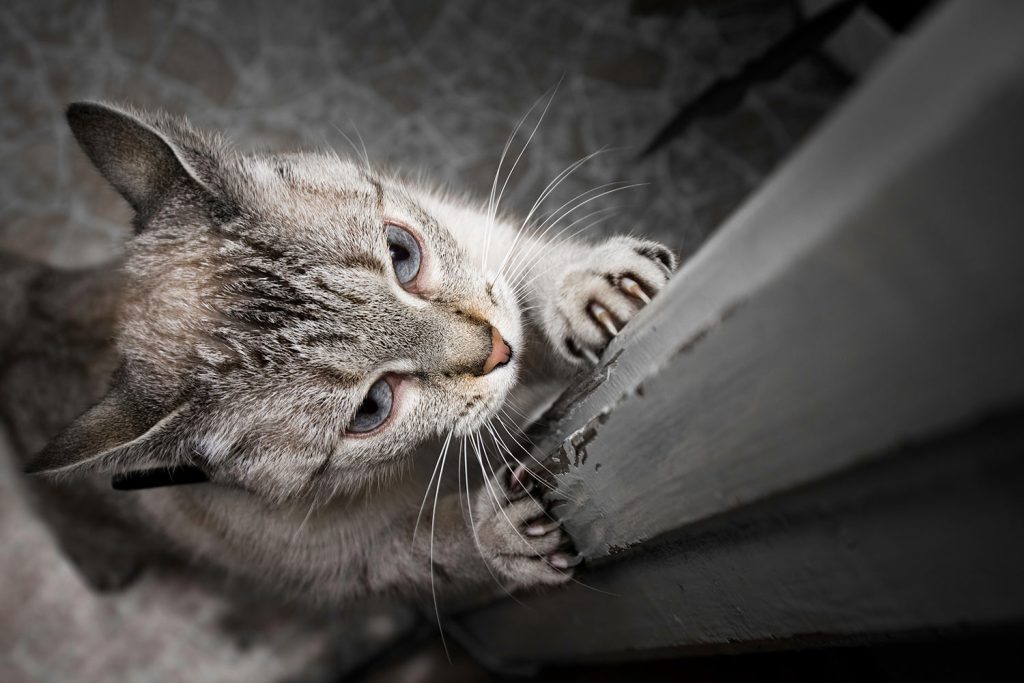
Destructive behavior in cats, such as scratching furniture or knocking items off shelves, can be frustrating for cat owners. This behavior often stems from natural instincts and energy that needs to be redirected. Understanding why cats engage in destructive acts allows owners to provide alternative outlets for their pet’s energy and curiosity.
Scratching: Providing Appropriate Outlets
Scratching is a natural cat behavior that serves several purposes, such as marking territory and maintaining claw health. To address undesired scratching, it’s essential to offer appropriate alternatives:
- Cat Trees and Scratching Posts: Invest in sturdy cat trees and a variety of scratching posts made from different materials (e.g., sisal, cardboard, carpet). Ensure these are placed in areas where your cat enjoys spending time.
- Positive Reinforcement: Every time your cat uses the scratching post instead of the furniture, reward them with treats or praise. This reinforces the beneficial behavior you want to see.
Additionally, consider using cat-safe deterrents on furniture or employing double-sided tape to discourage scratching in unwanted areas. Making the alternatives more appealing than your furniture is key to successfully redirecting this behavior.
Knocking Over Objects: Managing Curiosity
Cats are naturally curious creatures, and their propensity to knock items off tables or counters can often arise from their instincts to explore and play. To minimize this type of behavior, consider the following tactics:
- Removing Temptations: Keep small and delicate items out of reach. This not only protects your possessions but also eliminates the motivation for cats to engage in such behavior.
- Interactive Play: Engage with your cat using toys that capture their interest. Providing stimulating toys that mimic prey can reduce the urge to lash out at inanimate objects.
Interactive toys, like puzzle feeders or motion-activated gadgets, not only keep your cat entertained but also serve to drain excess energy that could lead to mischief in the household.
Fostering a Calm Environment: Using Environmental Enrichment
Creating a tranquil and engaging environment can significantly impact your cat’s behavior. Incorporating elements of environmental enrichment can alleviate stress or boredom, which are common triggers for unwanted behaviors:
- Cat-Friendly Spaces: Create safe zones using cat shelves, perches, or window seats where your cat can observe their surroundings. This stimulation can help reduce anxiety-driven behaviors.
- Regular Exercise: Schedule daily play sessions to help your cat release pent-up energy. Consider utilizing laser pointers, feather wands, or even training sessions that foster bonding while promoting physical activity.
By incorporating these techniques into your cat care routine, you can address unwanted behaviors effectively. It’s crucial to remember that patience and consistency are essential as you reinforce new behaviors and help your feline companion learn to thrive in a satisfying and stress-free home environment.
Conclusion: Building a Harmonious Relationship Through Training
Addressing common behavioral issues in cats through training is not only essential for maintaining a peaceful household but also for fostering a strong bond between you and your feline companion. By understanding the underlying motivations behind destructive behaviors such as scratching and knocking over objects, cat owners can utilize effective strategies that direct these instincts in a positive way.
Interactive play, environmental enrichment, and positive reinforcement are key elements in providing your cat with the stimulation and outlets they need. The incorporation of cat trees, scratching posts, and engaging toys not only satisfies their adventurous spirit but also diminishes the likelihood of unwanted behaviors. Additionally, managing your home environment by minimizing temptations can significantly reduce frustration for both you and your pet.
Ultimately, patience and consistency are vital when implementing these training strategies. Cats may take time to adjust, but with perseverance, you will create a rewarding atmosphere that allows your pet to thrive. Embracing the role of an empathetic cat owner contributes significantly to the emotional well-being of your pet, making for a cherished companionship.
For those interested in diving deeper into behavioral training, numerous resources—from books to online webinars—offer valuable insights. By investing time and effort into understanding and training your cat, you are not only enhancing their quality of life but also enriching your own. The journey of cat ownership is a shared adventure, and with the right approach, you can ensure it is filled with joy and mutual understanding.