How to Choose the Right Toys for Every Type of Pet
Choosing the Right Toys for Pets
Finding the perfect toys for your furry, feathered, or scaly friends can be a delightful yet challenging task. With countless options available, understanding each pet’s unique needs is crucial. The right toys not only provide entertainment but also promote mental stimulation, physical exercise, and overall well-being. Choosing appropriate toys can mitigate behavioral issues related to boredom, anxiety, or excess energy, ensuring a happy and healthy pet life.
When selecting toys, consider the following factors that can greatly influence your choice:
- Pet Type: Different animals have distinct play styles that reflect their natural instincts. For example, dogs often enjoy interactive play, while cats may prefer solo activities that mimic hunting.
- Age: A toy suitable for a puppy may not be ideal for a senior dog. Puppies have sharper teeth and boundless energy, requiring different kinds of toys compared to older dogs who may need gentler options that support dental health.
- Durability: Some pets are destructive chewers, such as large breeds or teething puppies. These pets require sturdy materials that withstand heavy use; otherwise, they may quickly destroy their toys, posing safety risks if swallowed.
Here are some tailored recommendations for common pets, ensuring your choices align with their unique needs:
- Dogs: For dogs, consider sturdy chew toys like KONGs filled with treats, durable fetch balls, and interactive puzzles that challenge their intelligence and keep them engaged.
- Cats: Cats thrive on stimulation and enjoyment. Feather wands encourage exercise and bonding, while laser pointers provide an exciting chase. Additionally, scratching posts prevent destructive behavior on your furniture.
- Small mammals: Consider providing chew sticks, which promote dental health, tunnels for exploration, and exercise wheels to keep these critters active and entertained.
- Birds: Birds love to play and explore; swing sets, mirrors to encourage social interaction, and foraging toys that compel them to work for their food promote mental enrichment.
- Reptiles: While reptiles may not play like other pets, providing climbing structures helps replicate their natural habitat and encourages physical activity. Hidden food toys can stimulate their hunting instincts.
Investing the time to understand what excites your pet will not only enhance their playtime but can also strengthen your bond. Engage in playful activities together, as this interaction contributes to their emotional well-being and helps you become attuned to their preferences. Choosing the right toys ensures that every pet, from dogs to reptiles, thrives in their playful pursuits and experiences the joy and vitality that comes from proper play. Your thoughtful choices can lead to happier pets and a more harmonious household.
Understanding Your Pet’s Unique Needs
Every pet is an individual with unique preferences, play styles, and needs. This understanding is vital when it comes to selecting toys, as the right options can make a significant difference in your pet’s quality of life. Not only do toys serve as a source of entertainment, but they also play an essential role in pet development and wellness. To effectively choose the right toys, consider the following key factors:
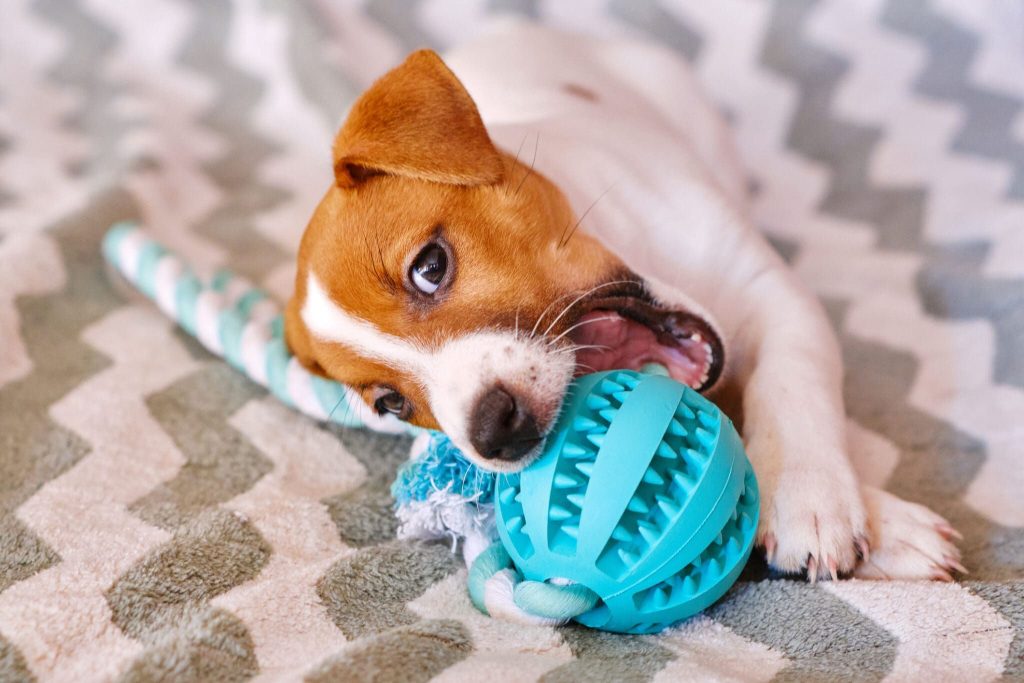
- Behavioral Tendencies: Just as humans have varying personality traits, pets have different behavioral tendencies. For example, some dogs may exhibit retrieving behavior, while others prefer a tug-of-war style of play. Observing your pet’s natural inclinations can steer you toward toys that they will find engaging. Cats, similarly, may exhibit playful stalking behavior; therefore, interactive toys that mimic prey, such as wand toys, can invoke their hunting instincts.
- Safety Considerations: Safety should always be a priority when selecting toys for your pets. Check for choking hazards, sharp edges, and toxic materials. For instance, rubber toys that are labeled as non-toxic are ideal for dogs since they can withstand rough play without posing health risks. Ensure that any toys your pet plays with are age-appropriate and size-specific to prevent accidental ingestion or injury.
- Physical and Mental Stimulation: Toys that challenge your pet both physically and mentally can prevent boredom and behavioral issues such as destructive chewing or excessive barking. Items like puzzle toys for dogs require problem-solving skills to access treats, while catnip-stuffed toys can engage a cat’s senses and encourage play. Providing your pets with the right kind of stimulation helps keep them happy and healthy.
Tailored Recommendations for Different Pets
Each pet type comes with its own set of requirements and personal preferences. Here are some insights into the toy options that cater to common pets:
- Dogs: Opt for interactive toys that promote social play, such as treat-dispensing balls or engaging tug toys, which can enhance their bonding experience with you. Additionally, consider durable rubber toys that can withstand vigorous chewing sessions.
- Cats: Cats thrive on enrichment. Offering perches, scratching posts, and toys that spark their prey drive, like feather chasers or balls that make sound, can significantly improve their overall happiness.
- Small Mammals: For rabbits, guinea pigs, or hamsters, consider providing chew-proof toys like pine wood blocks or safe chew sticks. A variety of tunnels and hiding spots can encourage exploration and exercise.
- Birds: For pet birds, toys that encourage social interaction, such as colorful bells and swinging perches, can enrich their environment and reduce boredom.
- Reptiles: Reptiles may not play in the traditional sense; however, providing climbing surfaces and enrichment objects like logs can foster natural behavior, allowing them to express themselves in a safe environment.
By exploring the diverse selection of toys tailored to meet the specific needs of your pet, you can enhance their playtime and overall well-being. In the end, a thoughtful approach to toy selection can lead to a more fulfilling life for your pet, making each play session an opportunity for joy and connection.
Understanding Your Pet’s Needs
When choosing toys for your pet, it’s crucial to understand their unique needs based on species, breed, age, and behavior. For instance, toys that stimulate a kitten’s hunting instincts will differ significantly from those preferred by an older cat seeking comfort. Additionally, dogs often require varying toys based on their size and chewing habits. For example, an aggressive chewer may benefit from durable toys designed to withstand tough bites, while smaller breeds might enjoy softer, plush alternatives.
Safety First: Selecting Pet-Friendly Toys
Another crucial factor in choosing toys is ensuring they are safe and non-toxic. Look for products made from durable, non-hazardous materials that won’t break easily and pose choking hazards. Familiarize yourself with pet-safe certifications, and always check for small parts that could detach. Ensuring that toys are appropriately sized for your pet will also reduce risks associated with swallowing.
The Role of Interactive Play
Interactive toys are essential for mental stimulation and physical activity. Toys that promote play between you and your pet, such as fetch balls or feather wands, can enhance bonding experiences while allowing your pet to expend energy. Moreover, toys that challenge your pet cognitively, like puzzle feeders or treat-dispensing toys, can keep them entertained and satisfied, reducing anxiety and harmful behaviors.
Your Pet’s Personality
Your pet’s individual personality should also guide your toy choices. Some pets are more playful and energetic, requiring physical toys to explore and exercise, while others may lean towards comfort items. For example, anxious pets might benefit from calming stuffed toys that they can cuddle. Observing your pet’s interactions with toys can provide insights into preferences that you can use to tailor their toy selection.
| Category | Description |
|---|---|
| Interactive Toys | Encourage mental stimulation and engage pets in active play. |
| Comfort Toys | Provide emotional support and relief for anxious pets. |
Understanding these various dimensions will greatly assist in selecting the right toys that promote your pet’s health, happiness, and well-being. Always consider engaging with pet professionals or veterinarians for tailored advice on the best options for your beloved companions.
Promoting Engagement and Interaction
Choosing the right toys for your pet is not just about providing entertainment; it’s also about nurturing their instincts and encouraging interaction. Engaging with your pet through playtime fosters a deeper bond while contributing to their physical and mental health. There are several avenues to explore when picking toys that promote engagement and enhance your pet’s play experience.
- Interactive Play: For many pets, especially dogs and cats, toys that require social interaction are essential. Fetch toys and soft frisbees can be perfect for dogs that enjoy running and retrieving. For cats, laser pointers or feather wands can stimulate their hunting instincts while allowing for interactive play. Engaging your pet actively with you can transform a simple toy into a bonding experience.
- Customization: Just as people have different tastes, so too do pets! Many pet stores and online retailers offer customizable toys to suit your pet’s unique preferences. For example, treat dispensers that can be filled with your pet’s favorite snacks may keep them entertained longer than standard toys. Cats may enjoy toys that can be filled with catnip, allowing for elevated excitement. Customizing toys to fit your pet’s personality makes playtime more rewarding.
- Group Play Opportunities: If you have multiple pets, purchasing toys that encourage group play can be beneficial. Rope toys or large balls that can be pushed around are ideal for dogs, while multi-pet interactive toys can cater to your feline friends’ curiosity. These toys not only promote exercise but also teach your pets to share, engage in cooperative play, and reduce territorial behavior.
The Role of Enrichment Toys
To keep pets physically and mentally stimulated, incorporating enrichment toys into their lives is crucial. Enrichment toys serve to challenge your pet’s problem-solving skills and provide sensory stimulation.
- Puzzle Toys: For dogs, puzzle toys that require them to ‘work’ for treats can be incredibly beneficial. Brands like Nina Ottosson offer a variety of difficulty levels, ensuring ongoing challenges even for clever canines. These toys can stimulate your dog’s brain, keeping them occupied and reducing anxiety and boredom.
- Snuffle Mats: For pets who love to forage, snuffle mats can be a game changer. These uniquely designed mats allow dogs and small mammals to engage in scent-driven play, hiding food or treats within the fabric layers. This facilitates a natural foraging instinct and keeps pets entertained for extended periods.
- Activity Centers: For active pets, especially dogs and cats, consider investing in activity centers that encourage climbing, jumping, and exploration. These facilities often come equipped with tunnels, platforms, and varied textures, promoting a healthy lifestyle and preventing overweight issues.
Finding Toys for Special Needs Pets
In some cases, pets may have special needs that influence their toy choices. Older pets, for example, may need softer toys that are easier to grip and comfortable for their sensitive gums.
- Adaptive Play: For senior pets or those with mobility challenges, consider toys that are specifically designed for their limitations. Plush toys that squeak but don’t require intense play can be delightful without causing strain.
- Calming Toys: For dogs or cats with anxiety, toys infused with calming substances, such as lavender or weighted toys, can provide comfort. Weighted blankets have also become popular for reducing anxiety in pets, offering a sense of security.
Ultimately, understanding your pet’s specific needs and preferences significantly enhances their play experience. Taking the time to research various toy types and their suitability for your pet can lead to happier, healthier companions. By making thoughtful choices, you invest in your pet’s well-being and create lasting joyful experiences through play.
Conclusion: Tailoring Playtime for Optimal Pet Happiness
Choosing the right toys for your pets is a vital aspect of responsible ownership that goes beyond mere entertainment. Tailoring their play experiences can significantly enhance their quality of life, contributing to both their physical and mental well-being. Understanding the unique needs of each type of pet—from the playful antics of dogs and cats to the more subtle engagements of small mammals—is essential for fostering a fulfilling play environment.
Both interactive toys and enrichment-based options provide an opportunity for meaningful engagement, allowing pet owners to build closer bonds with their furry companions. It’s crucial to assess your pet’s preferences diligently; different animals exhibit varied interests, and your choices should reflect those nuances. For instance, while puzzle toys can be a fascinating challenge for dogs, intelligent cats might find joy in toys that mimic hunting behaviors.
Additionally, pets with special needs require a different approach when selecting toys. From adaptive options suited for older pets to calming toys designed for those with anxiety, being mindful of these factors ensures that every pet can enjoy a safe and stimulating playtime experience.
Ultimately, the responsibility falls on pet owners to stay informed about the best practices in engaging their beloved companions. Investing time in understanding what entertains and enriches your pets will cultivate a happier, healthier home environment. By choosing thoughtful, appropriate toys, you are not only ensuring that playtime remains enjoyable but are also promoting lifelong wellness and joy for your pets.