
How to Deal with Anxiety in Pets: Effective Strategies and Techniques

Understanding Pet Anxiety
Pet anxiety is a significant concern for many pet owners across the United States. As our furry friends face various stressors, be it thunderstorms, loud noises, or separation from their owners, recognizing the signs of anxiety and implementing effective strategies is crucial for their well-being. Understanding your pet’s anxiety is the first step toward cultivating a more relaxed and peaceful living situation for both of you.
Common Signs of Anxiety in Pets
Recognizing that your pet is anxious is essential, as early intervention can make a world of difference. Here are some common behaviors to watch for:
- Excessive barking or whining: If your dog suddenly starts barking more than usual or whining when left alone, it may be a cry for help. Dogs communicate their discomfort, and this vocalization is often a sign of anxiety.
- Destructive behavior: Pets experiencing anxiety might resort to chewing furniture, scratching doors, or knocking over items in an attempt to release pent-up stress. This behavior not only damages your belongings but can also lead to injuries for your pet.
- Hiding or cowering: A pet that seeks refuge under the bed or behind furniture is showing clear signs of distress. This behavior indicates they are uncomfortable or scared, making it vital to provide a safe space for them.
- Changes in appetite: A sudden loss of interest in food or an increase in eating can be indications of anxiety. Just like humans, pets may react to stress by altering their eating habits, which can affect their health over time.
Why It Matters
Addressing anxiety in pets is essential for their overall well-being and happiness. Untreated anxiety can escalate, leading to long-term behavioral issues and possibly damaging your relationship with your pet. If your dog develops a fear of certain stimuli, this can affect their social interactions and hinder outdoor activities, such as walks and playdates. By recognizing and addressing these issues, you not only help alleviate their fears but also promote a more harmonious home environment.
Effective Strategies to Manage Pet Anxiety
Fortunately, several comfortable and practical methods can help your pets cope with anxiety. One effective approach is to create safe spaces, such as a designated corner with their favorite blankets and toys, where they feel secure. Additionally, integrating calming aids like pheromone diffusers or anxiety wraps can provide comfort during stressful times.
Another technique involves desensitizing your pet to common stressors. For example, if your dog fears thunderstorms, you might gradually expose them to the sound of thunder at a reduced volume while pairing it with positive reinforcement, like treats or playtime. Over time, this can help shift their emotional response.
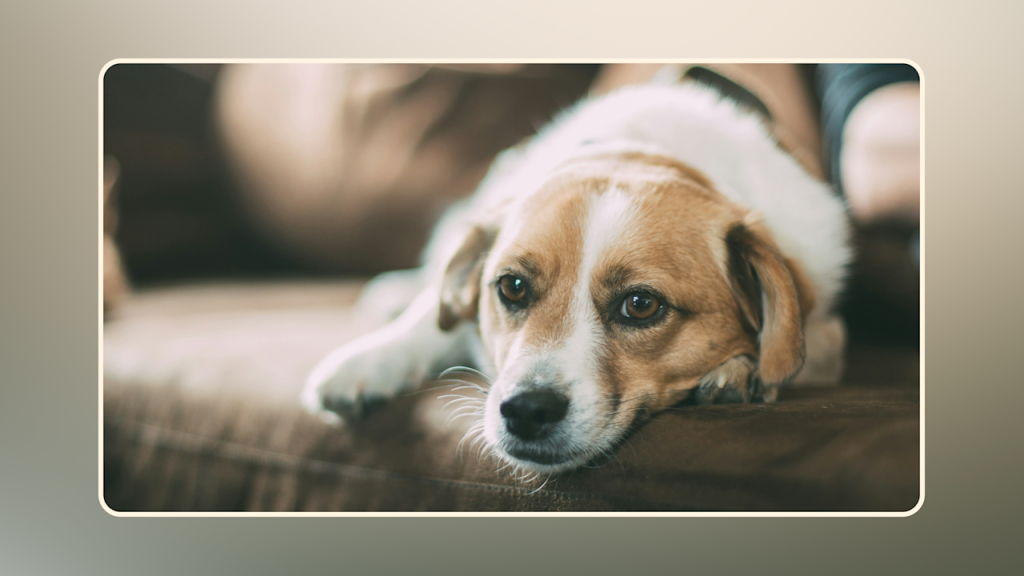
Moreover, regular exercise is crucial. Physical activity can reduce anxiety levels in pets by releasing endorphins, which promote feelings of happiness. Consider taking your dog for daily walks or engaging them in interactive play sessions. Remember that each pet is unique, so take the time to observe what calming strategies work best for your furry friend.
Understanding and addressing pet anxiety not only improves your pet’s emotional health but also enhances the bond you share. By employing these helpful strategies, you can promote a tranquil and supportive atmosphere that ensures your pet flourishes.
Creating a Calming Environment
One of the most effective strategies in addressing anxiety in pets involves establishing a calming environment tailored specifically to their needs. The space where your furry friend spends the majority of their time should act as a sanctuary, designed to be free from stressors that might provoke anxiety. To begin, it’s essential to identify a quiet corner of your home where your pet feels secure. This could range from a cozy nook in the living room, furnished with their favorite blanket, to a dedicated room that allows them to retreat from the hustle and bustle of daily life.
Here are several strategies to design a tranquil space for your pet:
- Comfortable bedding: Investing in a soft and inviting bed or blanket is paramount. Pets often derive solace from familiar textures and scents, so don’t hesitate to incorporate items that your pet cherishes. Consider a plush orthopedic bed for older pets, which can provide both comfort and support for achy joints.
- Calm lighting: The impact of lighting cannot be underestimated; soft, ambient lighting can have a soothing effect on pets. Avoiding bright, harsh lights, particularly during stressful events like thunderstorms or fireworks, can help maintain their calm. Dimmable lamps or shaded bulbs are excellent options for creating a serene atmosphere.
- Soothing sounds: Enhancing the calming atmosphere can be easily achieved by playing soft music or background nature sounds. Research indicates that classical music can significantly reduce anxiety levels in dogs, while soft instrumental or nature melodies can benefit cats as well. Consider dedicated playlists designed specifically for pet relaxation.
- Safe toys: Engaging toys can provide a constructive distraction from anxiety. Introducing durable chew toys or interactive puzzle feeders filled with treats can keep pets occupied, redirecting their attention from overwhelming stimuli. When a dog is chewing their favorite toy, it not only helps reduce anxiety, but also promotes dental health.
Incorporating Calming Aids
Alongside a serene environment, utilizing calming aids designed for pets can also provide significant support. Numerous products on the market aim to alleviate anxiety in various situations. Consider these options as effective solutions:
- Pheromone diffusers or sprays: These products release synthetic versions of natural calming pheromones that pets instinctively recognize. By mimicking comforting scents, such as those produced by nursing mothers, they can effectively soothe pets during stressful situations, making them feel safer and more relaxed.
- Anxiety wraps: Utilizing anxiety wraps can be remarkably beneficial. These products apply gentle, constant pressure around your pet’s body, similar to swaddling a baby. This added sensation can have a calming effect during stressful events like thunderstorms or fireworks, effectively helping to diminish their stress levels.
- Natural supplements: Consult with your veterinarian about the benefits of natural supplements like hemp oil or chamomile. These options may provide calming properties suitable for your pet, particularly when you’re preparing for events that provoke anxiety. Many pet owners have observed positive changes in their pets’ behavior after incorporating these solutions.
By effectively combining these environmental adjustments with appropriate calming aids, you can construct a safe haven for your pet to address their anxiety. Observing their reactions and comfort levels can offer invaluable feedback, enabling you to fine-tune your approach, ultimately leading to a happier and more content companion.
Understanding Pet Anxiety
Pet anxiety can be a multifaceted issue that significantly impacts the well-being of our furry friends. Recognizing the signs of anxiety is the first step toward effective management. Common symptoms include excessive barking, destructive behavior, hiding, and changes in eating habits. Understanding your pet’s specific triggers, such as loud noises, separation, or unfamiliar environments, can be crucial in developing a tailored approach to alleviating their stress.
Effective Techniques to Alleviate Anxiety
One of the most effective techniques to counter anxiety in pets is creating a consistent routine. Animals thrive on predictability, and establishing a regular schedule for feeding, exercise, and playtime can provide them with a sense of security. Additionally, employing positive reinforcement training can help your pet build confidence and learn to cope with anxiety-inducing situations.Another technique gaining popularity is the use of natural remedies. Products such as calming treats, pheromone diffusers, and anxiety wraps can provide soothing effects, making a noteworthy difference in your pet’s anxiety levels. Before using any products, it’s essential to consult with your veterinarian to ensure they are appropriate for your pet’s specific needs.
Seeking Professional Help
If your pet’s anxiety persists despite your best efforts, consider seeking the guidance of a professional animal behaviorist or veterinarian. They can provide tailored recommendations and possibly discuss medication options to help manage severe anxiety cases. Remember, it’s vital to approach pet anxiety as a significant concern that deserves your attention and care.
Socialization and Environmental Changes
Socialization also plays a critical role in reducing anxiety in pets. Introducing your pet to new experiences, people, and other animals in a controlled manner can help them develop better coping strategies for stress. Gradual exposure to different environments can lessen their fear and boost their confidence.Furthermore, creating a safe space at home where your pet can retreat during stressful moments is crucial. This area should be quiet and comfortable, allowing them to feel secure. Incorporating mental stimulation, such as interactive toys or puzzle feeders, can also keep their minds engaged and alleviate anxiety.
Table: Advantages of Managing Pet Anxiety
| Advantages | Effective Strategies |
|---|---|
| Improved Behavior | Consistent routines create a secure environment for pets. |
| Enhanced Quality of Life | Natural remedies and training promote coping mechanisms. |
Recognizing the importance of addressing pet anxiety can transform your pet’s experience. With the right strategies, you can enhance their overall quality of life and foster a deeper bond between you and your companion.
Engaging in Interactive Activities
Another crucial method for managing anxiety in pets is through interactive activities that stimulate both their minds and bodies. Engaging your pet in regular, active playtime is not only a great way to strengthen your bond but also serves to distract them from anxiety-inducing situations. Studies have shown that exercise can help release endorphins and serotonin, which can drastically improve their overall mood. Below are several activities and techniques to incorporate into your routine:
- Daily exercise: Establishing a consistent exercise routine for your pet is vital. For dogs, this might mean long walks, runs, or engaging activities such as fetch or agility training. For cats, structured playtime with interactive toys or laser pointers can help satisfy their hunting instincts while alleviating stress. Aim for at least 30 minutes of physical activity daily to keep their anxiety levels in check.
- Obedience training: Training sessions can provide mental stimulation and focus, helping to divert a pet’s mind away from anxiety triggers. This can include teaching new tricks, reinforcing good behavior, or even participating in classes. Positive reinforcement through treats and praise reinforces their confidence, making them feel more secure in their environment.
- Puzzle toys and brain games: Stimulating your pet mentally can be just as important as physical exercise. Consider investing in puzzle toys, which require pets to think critically to retrieve hidden treats. Engaging their brains in this way can provide a healthy distraction from anxiety and help build problem-solving skills.
Consulting with Professionals
When anxiety in pets becomes overwhelming, seeking professional help can yield significant benefits. A qualified animal behaviorist or trainer may be able to assess your pet’s individual needs and create a tailored plan to mitigate anxiety effectively. A veterinary consultation can also be instrumental in determining if the anxiety stems from a medical issue or if it requires professional behavioral modification strategies. Here are a few insights into how professional help can make a difference:
- Behavioral therapy: Certified pet behaviorists are trained to identify the root causes of anxiety and can work with both you and your pet to develop tailored coping strategies. They may introduce additional methods that have been scientifically proven to reduce anxiety.
- Medication options: For some pets, prescribed medication may be necessary to manage anxiety effectively. Consult with your veterinarian to discuss potential options, including SSRIs or anxiolytics that can assist in alleviating extreme anxiety symptoms while other strategies are being implemented.
- Group classes or support groups: Connecting with other pet owners facing similar challenges can offer not only emotional support but also insight into different techniques that have worked. Consider joining group classes focused on anxiety and stress management, which can provide valuable resources and socialization opportunities for both you and your pet.
By incorporating interactive activities alongside professional guidance into your pet care approach, the journey to reducing anxiety can become much more manageable. Throughout this process, it’s essential to remain vigilant, observing your pet’s reactions and tailoring your methods to ensure their comfort and well-being.
Conclusion
In conclusion, tackling anxiety in pets is a multifaceted approach that requires dedication, empathy, and a keen understanding of your animal’s unique needs. By integrating engaging activities and professional guidance, pet owners can significantly improve their furry companions’ emotional well-being. Daily routines that incorporate physical exercise, mental stimulation, and obedience training help build a stronger bond and can serve as effective distractions from stressors. Moreover, the importance of consulting with qualified professionals cannot be overstated, as they provide tailored behavioral strategies and, if necessary, medical interventions to address severe anxiety symptoms.
As we navigate this journey with our pets, it’s crucial to continually observe their behavior and adapt our techniques accordingly, ensuring their comfort and security. Each pet is unique, and understanding their specific triggers will empower us to create an environment conducive to relaxation and happiness. Remember, fostering a sense of stability and predictability can greatly alleviate anxiety.
Ultimately, your efforts to manage and reduce anxiety in your pets not only enhance their lives but also enrich your relationship, nurturing trust and companionship. For those interested in furthering their knowledge, consider exploring resources on pet behavioral psychology and participating in community support groups. By prioritizing emotional health, you set the stage for a happier, more confident pet that thrives in a loving, supportive environment.