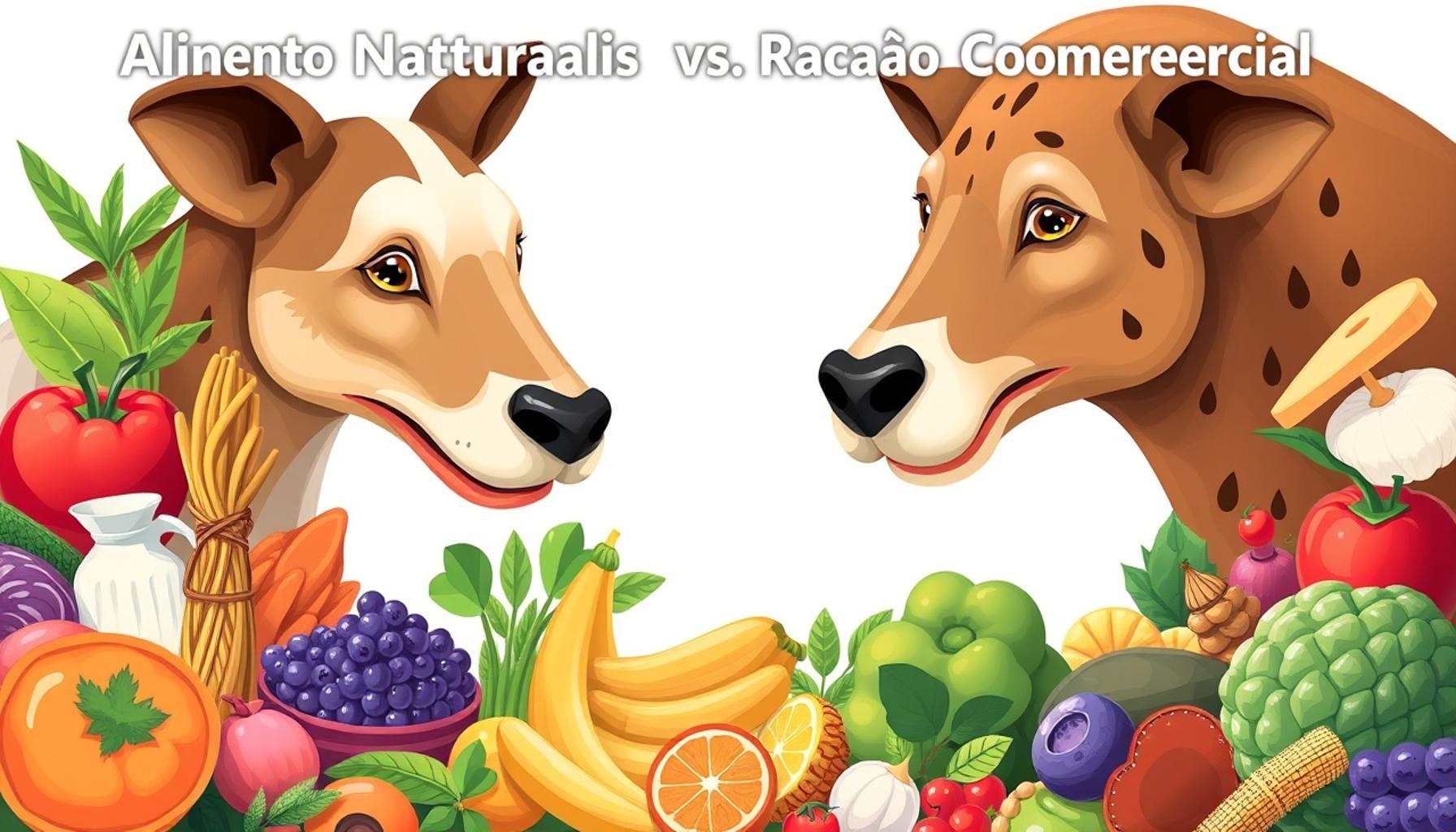
Natural Foods vs. Commercial Feed: What is Better for Your Pet?
The Nutritional Landscape for Pets
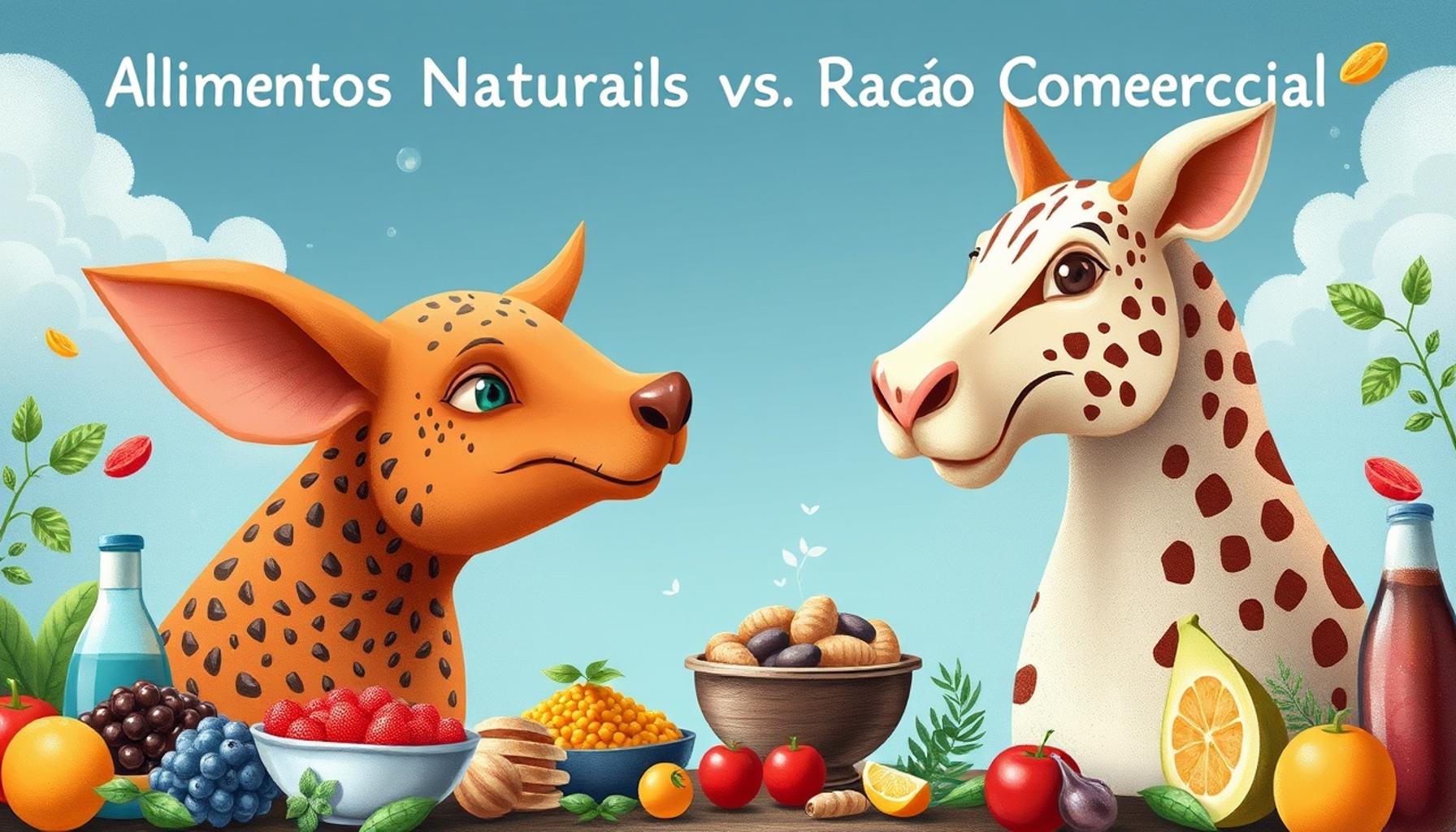
The health and well-being of our pets are at the forefront of many pet owners’ minds. When it comes to providing the best nutrition, the choice between natural foods and commercial feed has become a heated topic of discussion. But which option truly offers the best benefits for your furry family member? This decision can often feel overwhelming, as it intertwines with considerations of ingredient quality, dietary needs, and cost.
Consider the following aspects as you navigate this critical decision:
- Natural Foods: These foods are crafted from whole ingredients and can provide pets with a more wholesome diet. Examples include fresh fruits like blueberries, vegetables such as carrots, and high-quality meats like chicken or salmon. Natural pet foods often lack artificial additives and preservatives, aiming to mimic the diets of wild ancestors.
- Commercial Feed: Typically processed and manufactured, these products can include a variety of ingredients, some of which might be considered fillers (such as corn or wheat) or preservatives (like BHT or ethoxyquin). While many commercial brands are now offering premium, grain-free, and organic options, it’s essential to scrutinize the ingredient list to ensure your pet receives a balanced diet.
- Nutritional Content: The nutrient levels in both natural foods and commercial feeds can vary significantly. For instance, some natural diets might provide higher levels of omega-3 fatty acids beneficial for skin and coat health, while certain commercial diets may be fortified with vitamins and minerals, ensuring balanced nutrition. Understanding AAFCO (Association of American Feed Control Officials) guidelines can help pet owners evaluate the quality of the commercial options available.
As trends in pet nutrition evolve, many owners are becoming increasingly cognizant of what they feed their pets. The rise of raw diets, where animals are fed raw proteins, bones, and organ meats, offers another layer of complexity. Proponents argue that this diet, closely resembling what wild animals consume, can lead to enhanced vitality and health. On the other hand, concerns about potential bacterial contamination, such as Salmonella, warrant careful consideration.
Pet owners are encouraged to consider their pets’ health needs, dietary restrictions, and lifestyle when evaluating these options. Factors such as age, weight, activity level, and any known food allergies should play a significant role in determining the right choice. Consulting with a veterinarian can provide valuable insights tailored to your pet’s unique circumstances.
Ultimately, understanding the fundamental differences between natural foods and commercial feed can empower you to make informed decisions regarding your pet’s nutrition and overall well-being. Whether you lean towards natural or commercial options, staying informed about ingredients, nutritional adequacy, and evolving pet dietary trends can lead to happier, healthier companions.
DIVE DEEPER: Click here to find out more
Understanding the Differences in Ingredients
One of the most significant factors in the debate of natural foods versus commercial feed is the quality of ingredients used in their formulation. While natural foods prioritize whole, recognizable ingredients, commercial feeds can vary widely in their ingredient lists. Understanding these differences can help pet owners make informed choices for their beloved companions.
Natural foods are often defined by their use of fresh, whole ingredients that provide essential nutrients without the inclusion of artificial additives. These ingredients are typically free from genetically modified organisms (GMOs) and may include high-quality sources of protein such as:
- Chicken
- Beef
- Fish
- Whole grains
- Fruits and vegetables
These components not only offer taste but also deliver a broader spectrum of nutrients, including vitamins, minerals, and antioxidants that can support overall health. For example, fruits like blueberries provide vitamins C and K, while omega-3 fatty acids from fish contribute to a shiny coat and healthy skin. Additionally, many pet owners appreciate the transparency of natural brands, often touting non-GMO and organic certifications that add to their appeal.
On the other hand, commercial feed encompasses a wider range of products, some of which may include lesser-quality ingredients. Certain options might contain fillers such as corn or wheat, which serve to bulk up the food but may not offer meaningful nutritional value. Moreover, many commercial feeds utilize preservatives and artificial flavors to enhance shelf life and palatability. Prominent examples include:
- BHA (butylated hydroxyanisole)
- Ethoxyquin
- Artificial colorings or flavorings
While the inclusion of these ingredients does not automatically disqualify a product, it necessitates careful examination of the label. Pet owners should be wary of unnamed meat by-products, which can indicate the use of low-quality filler ingredients. A closer look at the ingredient label can reveal a wealth of information regarding the quality of the commercial feed, especially if it meets the guidelines set forth by the AAFCO (Association of American Feed Control Officials).
Ultimately, the choice between natural foods and commercial feeds also hinges on specific dietary needs that can differ dramatically among pets. For instance, pets with allergies may flourish on a diet rich in natural proteins and grain-free options, while those that simply require a balanced diet may do well with premium commercial feeds that meet designated nutritional standards.
The Evolving Trends in Pet Nutrition
The pet nutrition landscape is ever-changing, and today’s pet owners are more informed than ever about the significance of high-quality ingredients. As more individuals seek out natural alternatives for themselves, they are turning their attention to what goes into their pet’s bowl. The shift in consumer awareness regarding pet nutrition is pushing many commercial brands to reevaluate their formulas and offer cleaner, more transparent options. This evolution not only impacts the quality of products on store shelves but also encourages open conversations among pet owners about what constitutes the ideal diet.
In this complex landscape, the right choice may vary depending on your pet’s individual needs. Thus, weighing the benefits and potential drawbacks of each option can help you navigate this difficult decision and promote optimal health for your cherished pet.
| Natural Foods | Commercial Feed |
|---|---|
| Whole ingredients, less processing | Convenient and consistent formulation |
| Higher nutrient quality | Packaged and easily accessible |
| Freshness may enhance taste appeal for pets | Can contain preservatives for longer shelf life |
| Fewer additives and artificial ingredients | Cost-effective choice for many pet owners |
When it comes to your pet’s nutrition, the debate between natural foods and commercial feed can be quite revealing. Many pet owners advocate for natural diets, citing their potential for higher nutrient quality due to whole, less processed ingredients. Customers often feel that fresher food could enhance taste appeal for their pets, encouraging better eating habits.On the flip side, commercial feeds provide an easily accessible option, designed for convenience, and often formulated to meet specific dietary needs. They can be a cost-effective choice, particularly for those who may not have the time or resources to prepare natural meals at home. Packaged feeds frequently include preservatives to prolong shelf life, which is an essential factor for busy pet owners.Understanding the difference between the two can lead to a more informed decision regarding your pet’s diet, urging further exploration into the implications of both feeding choices.
DISCOVER MORE: Click here to learn about positive reinforcement techniques
Evaluating Nutritional Value and Health Implications
When considering natural foods versus commercial feed, it’s essential to dive deeper into the nutritional value that each category offers. While natural foods often emphasize whole ingredients, commercial feeds can also provide balanced nutrition tailored to specific health needs. Understanding these nuances can empower pet owners to make choices that align with their pets’ dietary requirements.
Natural pet foods generally contain fewer processed ingredients and tend to retain more nutrients through minimal cooking processes and careful ingredient selection. For instance, brands that focus on raw or freeze-dried diets advocate for retaining the enzymatic benefits of whole foods, which may promote better digestion and absorption of nutrients. Moreover, many natural pet foods include a variety of botanical ingredients that can serve therapeutic purposes, such as:
- Turmeric: Recognized for its anti-inflammatory properties.
- Pumpkin: A source of fiber that aids digestion.
- Spirulina: An algae that is rich in protein and micronutrients.
These additives not only contribute to a holistic approach to pet health but also allow pet owners to adjust their pets’ diets based on specific needs, like boosting immunity or improving joint health.
In contrast, the commercial dog and cat food market has seen significant advancements, particularly among premium brands that have shifted their focus towards quality. Some commercial feeds now boast grain-free formulas and incorporate real meat as the first ingredient, enhancing their nutritional profiles. Additionally, many of these products undergo rigorous testing and adhere to AAFCO guidelines, ensuring that they meet or exceed minimum nutritional requirements.
One notable trend is the rise of veterinary-prescribed commercial diets, aimed at managing specific health conditions such as kidney disease, obesity, or food sensitivities. These specialized formulations are created based on scientific research, leveraging the knowledge of veterinary nutritionists. While natural foods can complement a balanced diet, these veterinary diets are meticulously designed to support particular health objectives when necessary.
Cost Considerations and Accessibility
Another aspect to consider when choosing between natural foods and commercial feed is the cost and accessibility of each option. In many cases, natural pet foods can command a higher price point due to higher-quality sourcing and production processes. For pet owners on a budget, this reality can pose a dilemma, especially when seeking organic or grain-free options that can cost significantly more than mainstream commercial brands.
Furthermore, pet owners should consider the accessibility of these products in their local markets. Natural foods may not always be readily available at the average grocery store, often requiring visits to specialty shops or online retailers, which may pose a logistical challenge for some. Meanwhile, commercial feeds are typically easier to find, often stocked in larger quantities at pet stores and supermarkets, ensuring that pet owners have reliable access.
In navigating these considerations, it’s critical for pet owners to balance quality, health needs, and budget constraints while choosing the right food for their pets. Engaging in research, seeking recommendations, and consulting with veterinary professionals can help pet owners in making the most informed decision tailored to their pet’s unique lifestyle and health profile.
DIVE DEEPER: Click here to learn about the pros and cons
Final Thoughts: Navigating the Choice Between Natural Foods and Commercial Feed
In the ongoing debate of natural foods versus commercial feed, it is crucial for pet owners to evaluate their options carefully, balancing their pet’s unique needs with factors such as nutrition, cost, and availability. Both categories have merit, and the best choice often hinges on individual circumstances. Natural foods can offer holistic benefits, providing whole ingredients and potential therapeutic additions that cater to specific health requirements. Meanwhile, premium commercial feeds are increasingly rising to the challenge, delivering formulated diets that ensure balanced nutrition while adhering to established guidelines.
Moreover, with the growing accessibility of veterinary-prescribed diets, pet owners have even more tools at their disposal to manage particular health issues. Regardless of the path chosen, prioritizing informed decision-making by conducting thorough research and consulting with veterinary professionals is paramount for ensuring that pets receive optimal nutrition tailored to their lifestyle.
Ultimately, no single approach is universally “better”; each pet is distinct, and understanding their individual dietary requirements is essential. By exploring the spectrum between natural and commercial options, pet owners can empower themselves to make decisions that promote their cherished companions’ long-term health and well-being. The journey to discover what truly benefits your pet may lead to new insights and, ultimately, a happier, healthier life for your furry friend.