Natural Foods vs. Commercial Feed: What is Better for Your Pet’s Nutrition?
Exploring the Pet Nutrition Debate
When delving into the world of pet nutrition, pet owners face a myriad of choices that can significantly impact the health and happiness of their furry companions. Two primary avenues often fuel heated discussions: natural foods and commercial feed. Each option has its advocates passionately defending its merits. Understanding the intricacies of these choices is becoming increasingly important as pet owners seek to provide the best care possible for their animals.
Key Considerations for Pet Owners
To help navigate the complex landscape of pet nutrition, here are several key aspects to consider:
- Nutritional Value: One of the foremost considerations is the essential nutrients each option provides. Natural foods, often consisting of whole ingredients like meat, vegetables, and grains, can be tailored to meet specific dietary needs. For instance, a diet rich in Omega-3 fatty acids found in certain fish can promote healthy skin and a shiny coat. In contrast, commercial feeds are formulated to meet industry standards and often include a balance of proteins, fats, and carbohydrates. However, the quality and source of these ingredients can vary widely, making it crucial to read labels closely.
- Ingredient Transparency: Another significant factor is the transparency of ingredient sourcing. Many commercial feeds contain additives or preservatives that some pet owners prefer to avoid. For example, artificial flavors and colors are common in lower-quality feeds, which might raise concerns about long-term health impacts. On the other hand, natural foods typically boast fewer synthetic additives, offering peace of mind for those prioritizing a holistic approach to pet care.
- Cost Consideration: Budget is another pivotal aspect influencing pet nutrition choices. Quality natural foods can sometimes come with a higher price tag, leading pet owners to weigh the costs against potential health benefits. However, investing in high-quality nutrition can potentially reduce long-term veterinary expenses by promoting overall health and preventing dietary-related illnesses.
The ongoing debate around pet nutrition also reveals a spectrum of opinions regarding the safety and efficacy of these feeding choices. With various health trends emerging, such as the raw food movement and grain-free diets, pet owners must stay informed about the evolving understanding of pets’ dietary needs. For example, some studies have suggested that certain grain-free diets might be linked to heart disease in dogs, underscoring the importance of seeking evidence-based guidance.
Discover More
To further explore the implications of your choices, it is essential to break down the advantages and disadvantages of each category. By pinpointing what works best for your pet’s individual needs, you can create a nutritious and balanced diet tailored to their lifestyle. Resources such as veterinary consultations, pet nutrition seminars, and reputable online platforms can provide additional insights. Equipped with comprehensive knowledge, you’ll be better prepared to support your pet’s health and well-being through informed nutritional choices.
Understanding the Benefits of Natural Foods
Natural foods have gained tremendous popularity among pet owners seeking to provide their pets with the highest quality of nutrition. With an emphasis on whole, minimally processed ingredients, natural diets often include fresh meats, fruits, vegetables, and grains. These ingredients not only supply essential nutrients but also promote overall well-being and vitality. For instance, the inclusion of whole meats can yield proteins that are easier for pets to digest, enhancing their digestive health and energy levels.
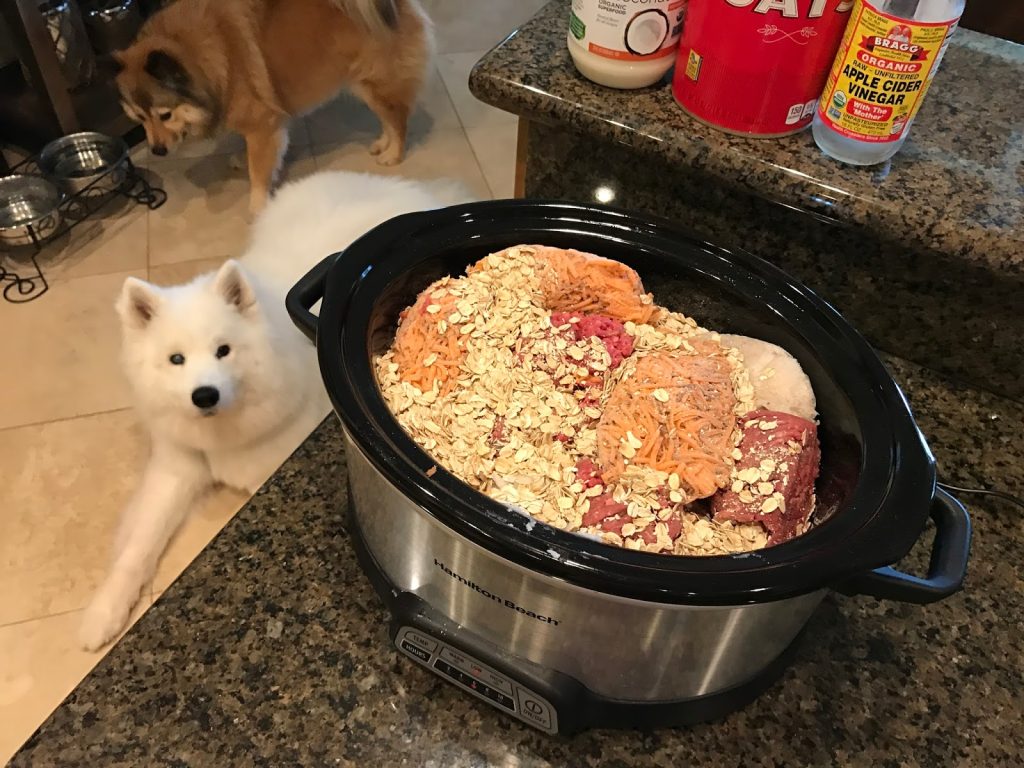
Moreover, natural foods tend to be more aligned with an animal’s ancestral diet. Dogs, for instance, are primarily carnivorous, and a diet rich in meat can support their natural instincts and dietary preferences. Cats, being obligate carnivores, thrive on protein-heavy diets. While these foods can utilize various preparation methods — from raw to lightly cooked — pet owners should remain vigilant about ensuring that all meals are balanced and meet their furry companions’ nutritional requirements.
The Appeal of Commercial Feed
On the other hand, commercial feed has been a staple in many households, primarily due to its convenience and variety. Available in myriad flavors and formulations, pet owners can easily find options tailored to their pet’s age, breed, and health status. These feeds are designed to be nutritionally complete and often incorporate essential vitamins and minerals to ensure dietary needs are met. For busy pet owners, a well-formulated commercial feed can simplify meal planning and reduce prep time, making it an attractive option.
Additionally, reputable brands invest heavily in research and development to create scientifically balanced diets. Many commercial feeds undergo rigorous testing and quality control to maintain consistency in nutrients and flavor. However, the challenge lies in discerning the quality of the ingredients used. While some brands prioritize high-quality sources, others may rely on cheap fillers, leading to a disparity in nutritional value.
Confronting the Drawbacks
Both feeding options come with inherent disadvantages that pet owners should consider. The potential downsides of natural foods include a risk of nutritional imbalance if the diet is not properly formulated. For instance, a homemade diet lacking certain vitamins or minerals could result in long-term health problems. Moreover, sourcing high-quality natural ingredients can be both time-consuming and costly, which may deter some pet owners.
- Lack of Nutritional Balance: Natural foods can easily lead to deficiencies if not scientifically crafted.
- Cost: High-quality ingredients often come with a premium price, impacting budget-conscious owners.
- Preparation Time: Preparing natural meals can be labor-intensive, making it less feasible for busy households.
In contrast, while commercial feeds offer convenience, they can also raise questions about ingredient quality. Some pet owners have concerns over preservatives, additives, and low-value fillers present in certain brands. It is essential for pet owners to scrutinize labels and select products from reputable companies with transparent practices.
As discussions around natural foods vs. commercial feed continue to evolve, it becomes vital for pet owners to weigh these factors carefully in order to make an informed choice tailored to their pet’s unique needs.
Examining Natural Foods and Commercial Feed
When it comes to pet nutrition, the debate between natural foods and commercial feed is ongoing. Each option presents a unique set of benefits and potential drawbacks that pet owners must navigate. Understanding these differences can empower you to make informed choices for your beloved companion.
Natural foods, such as fresh meats, fruits, and vegetables, offer a range of nutrients that are often more bioavailable than their processed counterparts. Many advocates argue that a whole-food diet can lead to better digestion, improved energy levels, and even a glossier coat. The absence of artificial additives, fillers, and preservatives is another major appeal, as many pet owners are increasingly concerned about the impact of these substances on their pets’ health.
On the other hand, commercial pet food is often fortified with essential vitamins and minerals to ensure that nutritional requirements are met. This convenience can be appealing for busy pet owners. Furthermore, reputable brands conduct extensive research to formulate diets that cater to the unique needs of various breeds and life stages. However, a significant downside can be the presence of low-quality ingredients and a lack of transparency regarding the manufacturing process.
Making the Right Decision
Your choice may ultimately depend on individual factors such as your pet’s health condition, lifestyle, and dietary preferences. For instance, pets with allergies or certain health issues might thrive on a carefully tailored natural diet, while others might benefit from the consistency and formulation of premium commercial feeds. It’s crucial to consult with a veterinarian to tailor a diet that ensures the optimal health of your pet.
| Natural Foods | Commercial Feed |
|---|---|
| Whole and unprocessed | Fortified nutrition |
| Nutrient-rich from fresh ingredients | Standardized formulas for various needs |
Ultimately, understanding the essence of pet nutrition can guide owners toward a balanced approach that suits their pets’ individual needs. The exploration of both natural foods and commercial feed will certainly yield insights that contribute to the longevity and health of our pets.
Making the Right Choice
In the vibrant discussion surrounding natural foods vs. commercial feed, many pet owners find themselves scrutinizing the specifics of each option. A pivotal aspect of this debate is identifying the nutritional needs of individual pets, which can significantly influence their health and longevity. Different breeds and species have varied caloric requirements and nutrient profiles, making it critical for pet owners to tailor their approach.
For example, growing puppies and kittens may require higher protein levels to support their rapid development, while senior pets often benefit from diets lower in calories but enriched with antioxidants to combat aging-related issues. Understanding these nuances can help owners make informed decisions about whether natural foods or commercial feed aligns better with their pet’s life stage and condition.
Quality Indicators in Commercial Feed
If opting for commercial feed, pet owners should consider specific indicators of quality to ensure their pets receive the best nutrition possible. One method to gauge the quality of commercial pet foods is by examining the AAFCO (Association of American Feed Control Officials) statement on the packaging, which certifies that the food meets basic nutritional standards. Products labeled “complete and balanced” that comply with AAFCO’s guidelines undergo rigorous testing to ensure they meet a pet’s dietary needs.
However, not all commercial foods are created equal. Ingredients should be scrutinized for quality and source. High-quality protein sources — such as chicken, fish, or lamb — should be listed as the primary ingredients, while vague terms like “meat by-products” can signal lower nutritional value. Pet owners might also investigate brands that are transparent about their ingredient sourcing and manufacturing processes, as transparency often correlates with quality.
- Nutritional Adequacy: Look for AAFCO approval on commercial diets.
- Ingredient Quality: Quality proteins should take precedence over fillers like corn and wheat.
- Brand Reputation: Researching brand histories and customer feedback can reveal a lot about quality.
Natural Foods and Specific Diets
The paradigm of natural foods presents an alternative that many pet owners are exploring, especially those interested in pursuing specialized diets. Raw or home-cooked options can be beneficial for pets that suffer from allergies or food sensitivities. A raw diet focused on fresh meats, fruits, and vegetables can offer a novel protein source to dogs or cats with intolerances to conventional ingredients. Moreover, there are numerous resources available for owners interested in creating balanced homemade meals that ensure nutrient adequacy, including consultations with veterinarians or pet nutritionists.
On the flip side, feeding natural foods can necessitate comprehensive planning and education on best practices to avoid pitfalls. For instance, pet owners could consult resources like the Veterinary Medical Association that provide guidelines on achieving a balanced home-prepared diet. This pathway requires diligent attention to portion sizes, cooking methods, and ingredient combinations to provide optimal nutrition effectively.
Cost-Benefit Analysis
When deliberating between natural foods and commercial feed, the cost factor frequently emerges as a significant consideration. While natural foods may demand a higher initial investment due to premium ingredients, they can potentially save money in the long run by minimizing veterinary visits and health issues linked to improper nutrition. On the other hand, some pet owners may find that well-chosen commercial feeds offer a manageable balance between cost and convenience without compromising nutrient quality.
The choice ultimately hinges on individual priorities. Pet owners must weigh factors like available time for meal preparation, their willingness to invest in high-quality ingredients, and their pets’ specific health requirements, ensuring that their decisions fulfill both budgetary and nutritional needs.
Conclusion
As the debate of natural foods vs. commercial feed continues to evolve, pet owners face the essential task of discerning what nutrition best suits their beloved companions. Both options boast unique advantages, but the ultimate decision varies depending on diverse factors such as a pet’s life stage, health condition, and the owner’s lifestyle. Investing time to understand a pet’s specific nutritional requirements can prevent future health issues and optimize their quality of life.
High-quality commercial feeds can be a convenient choice, especially those that meet AAFCO standards, offering assurance that pets receive balanced nutrition. However, for those willing to commit to researching and preparing meals, natural foods can provide tailored dietary solutions, particularly for pets with allergies or sensitivities. The shift towards organic and minimally processed ingredients often yields a fresher, tastier experience for pets, potentially enhancing their overall well-being.
Cost considerations also play a significant role, as some may find that investing in natural foods can lead to long-term savings by reducing health issues. Evaluating factors like ingredient transparency, brand reputation, and the nutritional adequacy of food options will help guide pet owners toward informed decisions. Ultimately, the best approach is one that harmonizes nutrition, convenience, budget, and individual pet needs, paving the way for a healthier, happier pet.
In a world rich with choices, empowering pet owners to make informed decisions about their furry family members’ diets encourages a holistic approach to pet care, lasting health, and a nurturing bond.