
Nutritional Supplements: What to Consider for Pet Well-Being

Understanding Nutritional Supplements for Pets
Providing the best for our pets goes beyond love and affection; it includes understanding their nutritional needs. As pet owners, making informed decisions about nutritional supplements can greatly impact the well-being of our furry companions. With the pet industry booming in the United States, it’s crucial to navigate the plethora of options available to ensure we choose the best products for our beloved pets.
When considering nutritional supplements, it’s vital to evaluate several factors:
- Quality of Ingredients: Look for high-quality, natural ingredients that are free from harmful additives. Supplements should ideally contain organic and non-GMO components, which not only promote health but also help in avoiding synthetic chemicals that may cause adverse effects.
- Pet’s Life Stage: Different life stages require different nutritional support. For example, puppies need increased levels of protein and certain vitamins for their growth, while senior pets may benefit from supplements that support joint health and cognitive function. Understanding these needs can help tailor a diet that optimally supports their development or aging process.
- Health Conditions: Existing health issues may necessitate specific supplements. For instance, pets with arthritis can benefit from glucosamine and chondroitin, which support joint health, while probiotics can be beneficial for pets experiencing digestive issues. Identifying these conditions early can lead to better treatment outcomes and an improved quality of life.
Supplementation can have numerous benefits, such as:
- Boosting the immune system: Many supplements contain antioxidants, vitamins, and minerals that help strengthen the immune response, reducing the likelihood of illness.
- Improving coat health: Omega-3 and omega-6 fatty acids are well-known for enhancing coat shine and reducing skin irritations, making them a popular choice among pet owners aiming for a healthy, vibrant coat.
- Supporting joint function and mobility: As pets age, maintaining joint health becomes vital. Supplements like fish oil and turmeric have gained traction for their anti-inflammatory properties and can aid in keeping pets active and comfortable.
However, caution is necessary. Not all supplements are created equal, and the effectiveness may vary widely. The pet supplement market is largely unregulated, which can lead to discrepancies in quality and efficacy. Always consult with a veterinarian before introducing any new products to ensure they align with your pet’s unique health needs. This professional guidance can help you navigate through the overwhelming choices and determine the most suitable supplements for your pet.
In conclusion, while nutritional supplements can serve as an invaluable addition to your pet’s diet, a personalized approach is essential. By prioritizing quality, tailoring choices to life stages and health conditions, and seeking veterinary advice, you can enhance the well-being of your furry friend and promote a longer, healthier life.
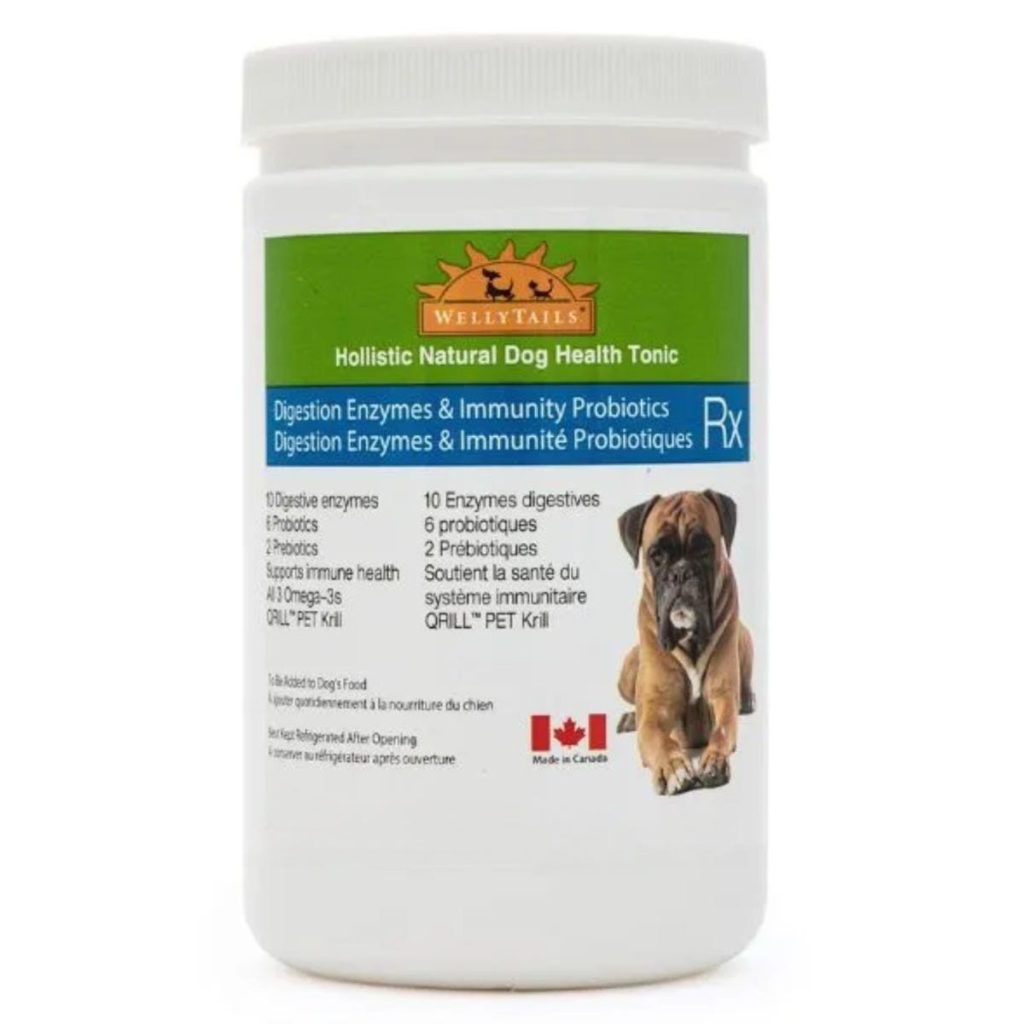
Key Considerations in Selecting Nutritional Supplements
When embarking on the journey of choosing nutritional supplements for your pet, it’s essential to delve deeper than the glossy packaging and enticing promises. The decision-making process involves a nuanced understanding of your pet’s overall health and specific nutritional needs. Several key factors should be taken into account to ensure that the supplements you choose will truly benefit your furry friend.
Assessing Your Pet’s Diet
Before introducing any supplements, it’s crucial to evaluate your pet’s current diet. A well-balanced, high-quality diet should provide most of the necessary nutrients. However, due to various reasons—be it dietary restrictions, specific medical conditions, or even just picky eating habits—some pets may require additional support. Consider the following:
- Type of Diet: Is your pet eating a commercial diet, raw food, or homemade meals? Each type may present unique nutritional gaps. For instance, homemade diets often require additional supplementation to ensure all micronutrient needs are met.
- Ingredient Quality: Review the ingredient list of your pet’s current food. High-quality protein sources and whole foods should take precedence over fillers and artificial additives, which could affect overall health.
- Dietary Restrictions: Does your pet have allergies or sensitivities to certain ingredients? Understanding these can play a vital role in your supplement choices, ensuring they complement rather than exacerbate existing issues.
Evaluating Potency and Efficacy
As you navigate the array of options available in the market, it becomes clear that not all supplements offer the same level of efficacy. It’s important to look for third-party testing and certification, which can provide assurance regarding the quality and potency of the ingredients used in the products. Brands that adhere to stringent quality standards are more likely to deliver results. Additionally, research the active ingredients of chosen supplements:
- Research Backing: Look for studies or trials that highlight the effectiveness of ingredients within the supplement. Knowledge from peer-reviewed articles can guide your choices.
- Dosing Instructions: Follow the recommended dosage closely. Over-supplementation can lead to adverse effects, so understanding the appropriate amount for your pet’s size and health status is critical.
- Formulation: Consider the availability of various forms (pills, powders, liquids). Some pets may react better to certain formats, making it easier to incorporate them into their daily routine.
Lastly, when purchasing supplements, always source from reputable retailers. This ensures not only quality but also guidance on how to properly integrate these products into your pet’s everyday life. Buying directly from a trusted veterinary clinic or knowledge-based pet retailer can often offer more reliable options than buying online from unfamiliar sources.
As you embark on this journey of enhancing your pet’s well-being through nutritional supplements, remember that informed choices are the cornerstone of a healthier life for your furry companion.
| Category | Details |
|---|---|
| Vitamins | Essential nutrients that support various bodily functions and promote overall health in pets. |
| Minerals | Critical for strong bones and teeth, these are necessary for enzyme function and overall metabolic processes. |
| Omega Fatty Acids | Promote healthy skin and coat, and can help reduce inflammation and improve joint health in pets. |
| Probiotics | Support digestive health by maintaining a healthy gut flora, which can improve nutrient absorption. |
The world of nutritional supplements for pets is rich with options that serve critical health functions. When selecting the right supplements, it is vital to consider your pet’s specific needs, including age, breed, and existing health issues. Not only can these supplements improve your pet’s quality of life, but they can also lengthen their lifespan by addressing potential deficiencies and enhancing their nutritional intake. As you navigate through the many choices available, look for high-quality products supported by research and veterinary recommendations. The right nutritional supplement can be the difference between a lethargic pet and one full of vitality, reflecting their ultimate well-being. Don’t hesitate to consult with your veterinarian, as they can offer invaluable insights into what nutritional supplements your pet may benefit from most.
Understanding the Needs of Different Life Stages
The requirements for nutritional supplements often change throughout a pet’s life. Puppies, adult dogs, and seniors not only have different energy levels but also distinct nutritional needs. Tailoring supplements according to these life stages can optimize growth, support longevity, and enhance quality of life.
Puppies and Young Pets
Puppies are growing rapidly and require a rich supply of nutrients. Supplements can play a critical role in providing essential vitamins and minerals that supplement a puppy’s diet. Consider the following:
- Calcium and Phosphorus: Important for bone development, these minerals facilitate healthy growth. Over-supplementation can lead to skeletal issues, so it’s vital to monitor calcium and phosphorus levels through veterinary advice.
- Omega Fatty Acids: These support brain development and can also improve coat health. Look for supplements containing DHA and EPA derived from fish oil.
- Probiotics: A strong gut can boost the immune system, particularly vital for young pets who are still building their defenses.
Adult Pets
Adult pets maintain health and vitality through balanced nutrition. However, certain factors such as breed, size, and activity level can affect their nutritional needs. It’s wise to consider:
- Joint Support: Supplements with glucosamine and chondroitin can help maintain joint health, especially in larger breeds prone to arthritis as they age.
- Antioxidants: Ingredients like vitamins E and C can help combat oxidative stress, which is especially beneficial for pets experiencing high levels of activity or environmental stressors.
- Weight Management: Supplements designed to support metabolism can aid in maintaining optimal body weight. Ingredients like L-carnitine can assist with fat metabolism.
Senior Pets
As pets age, their nutritional needs shift dramatically. Senior pets often face health challenges such as decreased mobility, cognitive decline, and weakened immune systems. When selecting nutritional supplements for older pets, consider:
- Cognitive Health: Supplements that include ingredients like DHA, phosphatidylserine, or antioxidants can support brain function and may help mitigate age-related cognitive decline.
- Digestive Health: Older pets may benefit from probiotics and digestive enzymes to support gut function, aiding in nutrient absorption and overall digestive health.
- Mobility Support: Joint health supplements should contain higher doses of glucosamine and anti-inflammatory ingredients to help manage pain and improve mobility.
Understanding these life stage requirements not only guides pet owners in selecting appropriate nutraceuticals but also emphasizes the importance of routine veterinary consultations. Regular check-ups can determine if a pet requires specific supplements based on their health status and life stage, ensuring that they remain vibrant and healthy throughout their lives.
The Role of Veterinary Guidance
Acquiring the appropriate nutrients through nutritional supplements is a nuanced endeavor that benefits greatly from veterinary expertise. Unlike purchasing over-the-counter medications, selecting the right supplements should be a decision grounded in professional guidance. Regular consultations with a veterinarian can provide insights into your pet’s specific nutritional needs:
- Health Assessments: Routine health checks allow veterinarians to identify nutritional deficiencies or health issues that may warrant supplementation, providing a tailored approach to pet care.
- Compatibility with Medications: Certain supplements may interact with prescribed medications, making it crucial to discuss all products your pet is taking with your veterinarian.
- Monitoring Efficacy: Your vet can help track changes in your pet’s health and wellness after introducing supplements, ensuring they are indeed having the desired effects.
Ultimately, the integration of nutritional supplements into your pet’s diet is about enhancing their quality of life. Through careful consideration and professional insight, pet owners can navigate this complex terrain successfully, crafting a supportive nutritional plan tailored to their furry companions.
Conclusion
Understanding the role of nutritional supplements is integral to enhancing your pet’s overall well-being throughout their various life stages. From the energetic antics of a playful puppy to the steady vitality of a robust adult dog or the gentle wisdom of a senior pet, it is essential to tailor supplementation to meet their specific needs. For instance, puppies may benefit from supplements rich in DHA, a fatty acid that supports brain development, while senior pets often require added joint support through glucosamine and chondroitin to combat age-related stiffness.
Additionally, it is crucial to recognize the impact of factors such as breed and lifestyle. Certain breeds are predisposed to specific health issues, which can be managed with targeted nutritional support. For example, large breeds like Great Danes are susceptible to hip dysplasia, making supplements that promote joint health particularly beneficial. Meanwhile, active breeds like Border Collies may require extra protein and energy sources to maintain their high activity levels.
Moreover, the importance of consulting with a qualified veterinarian cannot be overstated. Their expertise allows pet owners to navigate the extensive array of available supplements confidently. This ensures that each choice effectively supports their companion’s health and minimizes any potential adverse effects. Regular veterinary check-ups can uncover underlying health issues and track the effectiveness of any supplementation program, allowing for timely adjustments that align with the pet’s evolving needs.
Investing time in understanding nutritional supplements not only elevates your pet’s vitality but also reinforces the bond between you and your furry family member. An informed pet owner can create a more enriching environment, leading to happier and healthier years together. Stay updated on the latest research regarding pet nutrition, pay close attention to your pet’s unique requirements, and consult with professionals to ensure optimum care that promotes longevity and overall well-being.