
Nutritional Supplements: When and How to Use Them in Your Pet’s Diet
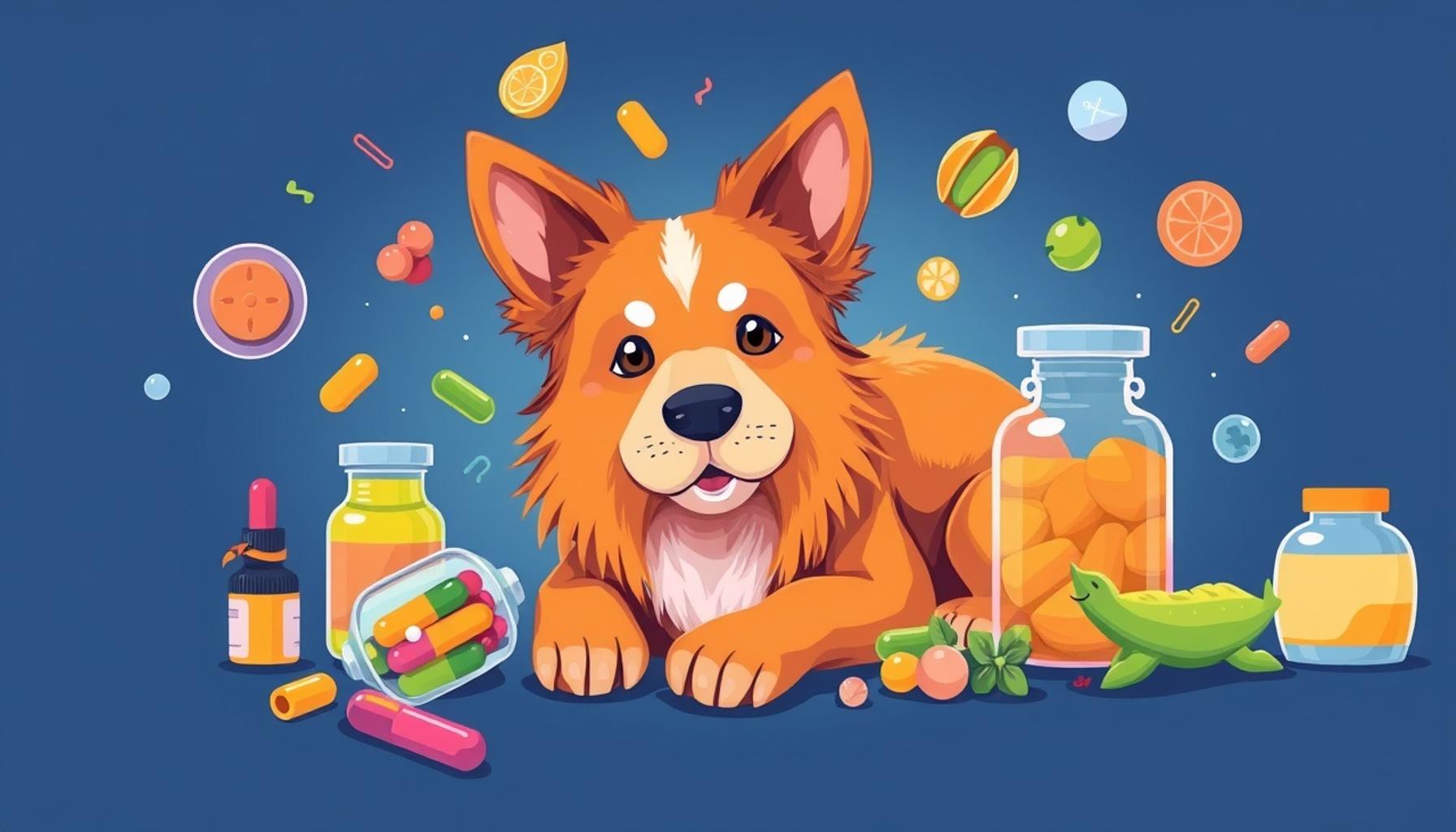
Understanding Nutritional Supplements for Pets
As pet owners, we often ponder how to provide the best nutrition for our furry companions. With the rise of nutritional supplements specifically designed for pets, it’s essential to understand their benefits and appropriate usage. These supplements play a pivotal role in bridging dietary gaps and enhancing overall health.
Nutritional supplements can elevate pet diets, especially in specific situations. Here are some common reasons pet owners consider adding supplements:
- Age-related health issues: Aging pets often experience joint pain, decreased mobility, and other health concerns. Supplements containing glucosamine and chondroitin can support joint health, while omega-3 fatty acids may help reduce inflammation, providing much-needed relief to senior pets. For instance, many pet owners have noted improvements in their Golden Retrievers’ mobility after including these supplements in their diets.
- Dietary deficiencies: Not all commercial pet foods are created equal; some may lack essential vitamins and minerals. For example, a diet that primarily consists of home-cooked meals may benefit from a multivitamin formulated specifically for pets, ensuring they receive a well-rounded intake of necessary nutrients. If you notice your pet seems lethargic or has a dull coat, it may be worthwhile to evaluate their diet and consider supplementation.
- Recovering from illness: Pets recovering from surgery or illness may have increased nutritional needs. Supplements like probiotics can help restore gut health, while protein-rich sources can support tissue repair. For example, after a procedure, a veterinarian might recommend a high-protein supplement to support recovery in a dog.
However, understanding when and how to use these supplements is crucial for your pet’s health. Improper use can lead to more harm than good. Consider these factors:
- Consult a veterinarian: Always seek professional advice before introducing new supplements. A vet can assess your pet’s specific needs and recommend appropriate products, helping to avoid unnecessary complications.
- Choose high-quality products: In a market flooded with options, look for reputable brands that prioritize transparency in their ingredient lists. Products that have undergone third-party testing are preferable, as they ensure quality and efficacy in what you are giving your pet.
- Monitor your pet: Keep track of any changes in behavior or health after starting new supplements. Note anything unusual, such as increased energy or gastrointestinal upset, and report this back to your veterinarian for guidance.
Delving into the world of nutritional supplements for your pet may initially seem overwhelming, yet it opens up new avenues for improved health and vitality. With careful consideration and educated choices, you can enhance your pet’s well-being, ensuring they lead a happy, active life. Join us as we explore effective strategies to enrich your pet’s diet and overall health, paving the way for many more playful days ahead.
The Importance of Assessing Your Pet’s Needs
Understanding your pet’s unique dietary requirements is paramount when considering the inclusion of nutritional supplements in their diet. Pets, much like humans, have individual health profiles influenced by breed, age, health conditions, and lifestyle choices. By accurately assessing these factors, pet owners can enhance the effectiveness of any added supplements, which can lead to improved overall wellbeing and longevity.

Evaluating Your Pet’s Diet
To commence this assessment, a critical first step is to closely evaluate your pet’s current diet. If they consume primarily commercial pet food, which is typically designed to provide a balanced mixture of nutrients, a deeper dive into the specific formulations is necessary. Consider the following:
- Quality of Ingredients: The difference between premium and budget pet foods can be stark. Opting for brands that prioritize real meats, fruits, and vegetables in their ingredient lists can ensure your pet receives essential nutrients. For example, foods that list “chicken” or “beef” as a primary ingredient are preferable to those listed as “meat by-products” or “animal meal.” This distinction can have a significant impact on your pet’s health.
- Feeding Guidelines: Familiarizing yourself with the appropriate serving sizes listed on packaging is crucial. For instance, a 30-pound dog might require 1–2 cups of food daily, depending on its activity level. Consistently over- or underfeeding your pet might lead to complications such as obesity or malnutrition, which can sideline their overall health.
- Specific Health Concerns: If your pet is diagnosed with specific health issues, such as diabetes or arthritis, it is advisable to consult with a veterinarian. They can help identify potential nutrient deficiencies. For instance, certain dog breeds are predisposed to conditions like hip dysplasia, which could be mitigated by ensuring their diet includes glucosamine and chondroitin, often found in specialized supplements.
Identifying Signs That May Indicate the Need for Supplements
Recognizing the signs that your furry friend might benefit from dietary supplements is pivotal in making informed decisions. Some common indicators include:
- Changes in Coat Condition: If your pet’s fur appears dull, brittle, or is thinning, this can often signify nutritional deficiencies. Supplements rich in omega-3 fatty acids, such as fish oil, are known to rejuvenate fur, enhancing shine and promoting healthy skin.
- Digestive Issues: Symptoms such as bloating, diarrhea, or excessive flatulence may point towards an imbalance in gut health. In such cases, introducing probiotics can assist in re-establishing a healthy digestive environment, promoting better nutrient absorption and reducing gastrointestinal discomfort.
- Weight Maintenance: Some pets struggle with maintaining a healthy weight, whether due to metabolic issues or increased activity levels. In these instances, considering high-quality protein or calorie-specific supplements can help them achieve and maintain a healthy weight.
Vigilantly observing these signs not only helps lead to the selection of appropriate supplements but also ensures that your pet accumulates the necessary nutrients required for vigor and vitality. It’s essential to bear in mind that nutritional supplements should complement, rather than replace, a balanced diet. The ultimate aim is to support your pet in leading a healthier, happier life by effectively addressing their unique nutritional needs.
| Category | Details |
|---|---|
| Vitamins | Essential for immune support and overall health. |
| Minerals | Help in bone development and maintaining skin health. |
| Omega-3 Fatty Acids | Promote healthy skin and coat, reducing inflammation. |
| Probiotics | Aid digestion and support gut health. |
| Amino Acids | Critical for muscle development and energy levels. |
Incorporating nutritional supplements into your pet’s diet can play a pivotal role in their health journey. Vitamins, for instance, are not just important for immune responses—they are vital for ensuring your pet thrives in their daily pursuits. Minerals, on the other hand, support bone strength and help keep the skin vibrant. It is essential to choose supplements tailored to your pet’s specific needs. Moreover, Omega-3 fatty acids have gained notable attention for their anti-inflammatory properties, ideal for pets with skin issues or joint conditions. Probiotics are another powerful tool, providing significant support for gut health, which can drastically improve your pet’s digestive efficiency. Lastly, don’t overlook amino acids, the building blocks of proteins, crucial for energy production and overall vitality. These supplements not only enhance your pet’s well-being but also ensure they lead a happy life. It’s important to consult with a veterinarian to figure out the best options for your furry friend, allowing you to provide informed care for their specific dietary requirements.
Types of Nutritional Supplements Available
Once you’ve assessed your pet’s needs and identified potential deficiencies, the next step is to explore the vast array of nutritional supplements available on the market. Choosing the right supplement can be overwhelming due to the diverse options tailored to various health needs. Here’s a closer look at some common types of supplements and the specific benefits they may provide.
Vitamins and Minerals
Vitamins and minerals are fundamental for maintaining optimal health in pets, just as they are for humans. Multivitamins often combine several essential nutrients, catering to a broad range of dietary deficiencies. For example, many dog owners choose to supplement with vitamin E for its antioxidant properties, which help combat oxidative stress and support skin health. Calcium and phosphorus are critical for bone health, particularly in growing or older pets. Always consult with a veterinarian to determine the correct dosages, as excessive intake can lead to toxicity.
Fatty Acids
Fatty acids, especially omega-3 and omega-6, have gained considerable attention in recent years for their myriad health benefits. These fatty acids are known to help combat inflammation, promote a healthy coat, and support heart health. For instance, fish oil supplements can significantly improve skin conditions in pets suffering from allergies or dermatitis. Moreover, some pet owners have noticed enhanced cognitive function in older dogs when these fatty acids are part of their regular diet.
Probiotics and Digestive Aids
Gut health plays a crucial role in overall wellness and is often overlooked by pet owners. Probiotics offer live beneficial bacteria that can help restore balance in your pet’s gastrointestinal tract. This can be particularly beneficial during times of stress or when transitioning to a new diet. Look for products containing the strains Lactobacillus and Bifidobacterium, as they have been shown to improve digestive health and boost the immune response.
Joint and Mobility Supplements
For aging pets or those with joint problems, such as arthritis or hip dysplasia, supplements like glucosamine and chondroitin can help alleviate discomfort and improve mobility. These ingredients are crucial in the maintenance and repair of cartilage. Studies have indicated that joint supplements can not only reduce the pain associated with arthritis but also aid in regaining some lost mobility, allowing your pet to enjoy their daily activities again. When selecting such supplements, look for clinically-tested formulations to ensure effectiveness.
Herbal and Natural Remedies
Some pet owners are turning towards herbal and natural remedies as alternatives or complements to conventional supplements. Ingredients like turmeric, known for its anti-inflammatory properties, can be found in various formulations to support joint health. Others, such as milk thistle, can help in liver support. However, it’s advisable to approach these options with caution as not all natural products are safe or effective. Always discuss new herbal supplements with your veterinarian to ensure their compatibility with your pet’s existing regimen.
The landscape of nutritional supplements is constantly evolving, with ongoing research unveiling exciting potential benefits for our pets. Informed decision-making, based on a thorough assessment of your pet’s health and diet, can lead to significant enhancements in their quality of life. By combining supplements with a balanced diet, you can help your furry companion thrive. As always, regular veterinary check-ups will provide personalized insights and information tailored to your pet’s unique needs.
Conclusion
In summary, the integration of nutritional supplements into your pet’s diet can be a transformative element in promoting their overall health and well-being. Understanding the specific needs of your furry companion is crucial when determining if supplements are necessary. For instance, many pets may experience vitamin and mineral deficiencies due to poor diet or certain health conditions. Common supplements like fish oil can provide essential omega-3 fatty acids that not only improve coat shine but may also support heart health and reduce inflammation.
Moreover, supplements targeting joint mobility are becoming increasingly popular, especially among aging pets. Ingredients like glucosamine and chondroitin can be vital for pets suffering from arthritis or general wear and tear. By enhancing their joint health, these supplements may enable your dog or cat to maintain a more active lifestyle, reducing the risk of obesity and its associated health issues.
Another vital aspect of a pet’s diet is gut health. The use of probiotics can aid in digestion and help maintain a balanced gut microbiome, which is essential for nutrient absorption and immune function. Puppies, kittens, and senior pets, who are particularly vulnerable to digestive issues, can benefit greatly from these supplements.
However, it’s essential to remember that not all pets require supplementation, and the misuse of these products can lead to adverse effects. Over-supplementation can result in toxicity or disrupt the natural balance of nutrients in a pet’s body. This reinforces the importance of consulting with your veterinarian to create a tailored supplement plan that aligns with your pet’s individual health needs and dietary habits.
Moreover, incorporating a balanced diet rich in quality ingredients remains the cornerstone of pet nutrition. As a responsible pet owner, you can enhance your understanding of pet nutrition by researching reliable sources and staying updated on recent advancements in the field of nutritional supplements. Engaging with local veterinary services and pet nutrition seminars can also provide valuable insights. Regularly monitoring your pet’s health and behavior will enable you to identify changes that may indicate a need for dietary adjustments.
Ultimately, the combination of personalized care and holistic nutrition plays a crucial role in enhancing your pet’s longevity and happiness. By being proactive in their dietary needs, you not only help to ensure your furry friend thrives but also deepen the bond you share. Your dedication to their overall well-being can lead to a fulfilling life for both you and your four-legged companion.