
Pet Fish: Benefits and Care for Home Aquariums

In recent years, keeping pet fish has surged in popularity among households in the United States. These colorful creatures offer a unique blend of tranquil aesthetics and fascinating behavior, making them an ideal addition to any home. Beyond their visual appeal, there are several benefits to owning fish that many potential aquarists may not be aware of.
The Benefits of Keeping Pet Fish
Fishkeeping is not merely a hobby; it can positively impact your well-being and lifestyle in several ways. Many households have discovered the multifaceted advantages that come with having an aquarium, ranging from mental health benefits to educational experiences for children.
- Stress Reduction: Studies suggest that observing fish can lower stress levels and promote a sense of relaxation. Research conducted by the National Marine Manufacturers Association indicated that looking at fish can reduce heart rates and anxiety levels significantly. The rhythmic movement of fish swimming gracefully in clear water can provide a calming effect, making it ideal for unwinding after a long day.
- Low Maintenance: Unlike dogs or cats, fish require less daily attention, making them suitable pets for busy lifestyles. Once the aquarium is properly set up, basic maintenance, such as feeding and routine water changes, can often be managed in less than an hour each week. This makes fishkeeping an appealing choice for families with children or for working professionals.
- Educational Opportunities: A home aquarium can serve as a wonderful learning experience for children. Keeping fish introduces kids to concepts like ecology, biology, and chemistry, sparking curiosity about the natural world. Parents can engage children in activities such as researching fish species, understanding water chemistry, and studying the life cycles of aquatic organisms.
The Joy of Aquarium Care
Caring for fish also involves a variety of enjoyable activities, from selecting the right tank to understanding the needs of different species. The initial setup can be exhilarating as you choose the size of your aquarium, the right filtration system, and appealing decorations such as plants and rocks that facilitate a vibrant underwater environment.
The aquarium hobby can provide a sense of accomplishment as you create an underwater paradise. Many enthusiasts find joy in the routine of maintaining their fish tanks, which includes monitoring water parameters, feeding routines, and the cleanliness of the environment. Witnessing fish thrive in a well-maintained tank can be immensely rewarding.
This article will explore the diverse benefits of keeping pet fish, as well as essential care tips for maintaining a thriving home aquarium. Whether you’re a seasoned aquarist or considering your first tank, understanding the nuances of fish care will ensure a fulfilling and peaceful experience.
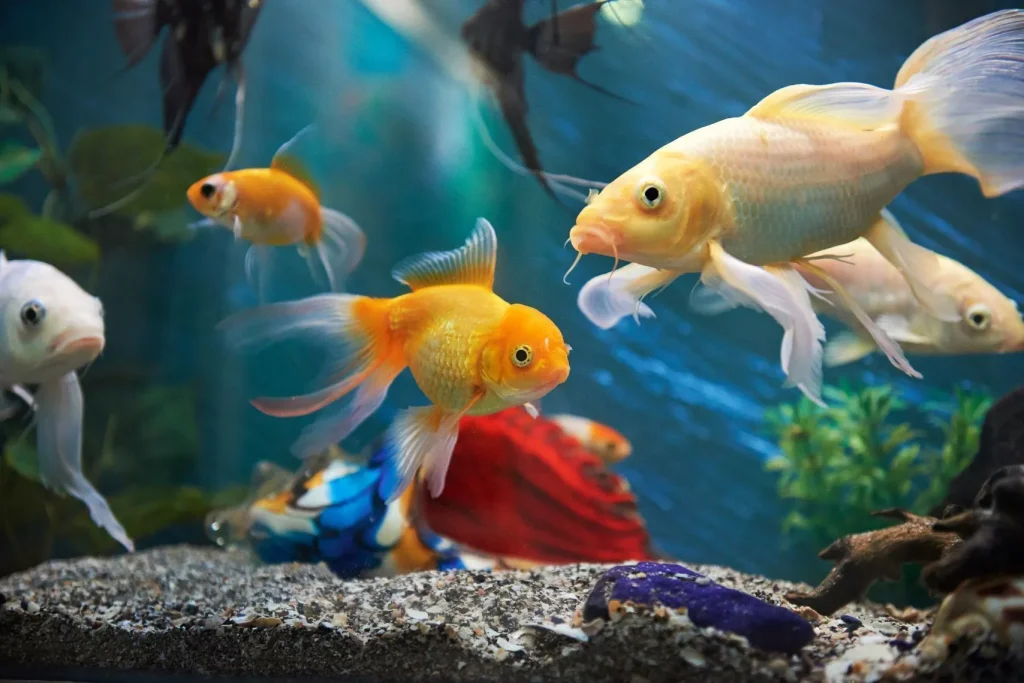
Understanding Your Aquarium’s Ecosystem
As you delve into the world of fishkeeping, it’s essential to recognize that your aquarium is not just a static container of water; it is a vibrant, living ecosystem. The success of your home aquarium hinges on understanding the delicate balance of this ecosystem. Each element, from the substrate to the water chemistry, plays a vital role in the health and happiness of your fish.
First, consider the size of your aquarium. The capacity can significantly influence the variety and number of fish you can keep. Smaller tanks might limit your options and require more frequent maintenance to keep water parameters stable, while larger tanks tend to be more forgiving in terms of water quality. Research suggests that a minimum tank size of 20 gallons is ideal for novice aquarists, as it provides ample space for fish to swim and for biological filtration to work effectively.
Essential Water Parameters
The importance of maintaining optimal water quality cannot be overstated. Fish are incredibly sensitive to changes in their environment, and parameters such as temperature, pH levels, and ammonia/nitrite/nitrate levels must be regularly monitored. Here are key water parameters to maintain in a freshwater aquarium:
- Temperature: Most tropical fish thrive in temperatures ranging from 75°F to 80°F. Investing in a reliable heater can help sustain stable conditions.
- pH Level: The pH level should typically be between 6.5 and 7.5 for most freshwater species. Test kits can help you monitor this to avoid harmful fluctuations.
- Ammonia and Nitrite Levels: Both ammonia and nitrite should remain at 0 ppm. High levels of these compounds can be deadly to fish, so regular testing and water changes are crucial.
- Nitrate Levels: While nitrates are less toxic than ammonia or nitrite, they should ideally be kept below 20 ppm. Frequent substrate cleaning and water changes help manage nitrate levels.
Another critical aspect of your aquarium’s ecosystem is aeration. Adequate oxygen levels are essential for fish survival and overall health. Proper filtration systems not only remove debris but also promote gas exchange at the water’s surface, which is essential for maintaining oxygen levels. Using an air pump or air stones can further enhance aeration, particularly in densely planted tanks.
In addition to water quality, the choice of aquatic plants can greatly enhance the ambiance and functionality of your aquarium. Live plants not only add beauty but also help in oxygenating the water and providing shelter for your fish. Additionally, they can absorb nitrates and improve overall water quality. For beginners, hardy plants like Anubias, java fern, and hornwort are excellent choices.
Understanding the fundamental aspects of your aquarium’s ecosystem will not only ensure the longevity of your fish but will also enhance your experience as an aquarist. As you progress in your journey, you’ll discover that proper care and knowledge lead to a vibrant undersea world that brings joy and tranquility into your home.
| Category | Details |
|---|---|
| Stress Relief | Watching pet fish can lower stress levels and bring tranquility to your home environment. |
| Learning Opportunity | Caring for fish provides educational experiences for children, teaching responsibility and biology. |
| Aesthetic Appeal | Aquariums add style and color, enhancing the decor of any room. |
| Low Maintenance | Certain fish species are easy to care for, making them ideal for busy individuals. |
An aquarium can serve as a captivating centerpiece that not only beautifies your living space but also offers various benefits for mental and emotional well-being. The act of watching fish swim gracefully can have a calming effect, helping to reduce anxiety and stress. Moreover, owning pet fish provides a fantastic way for families to bond, especially when children get involved in feeding and maintaining the aquatic environment.Additionally, aquariums can be a breeding ground for curiosity and learning. It’s an opportunity for kids to learn about ecosystems and responsibility in a hands-on manner, making fishkeeping much more than just a hobby. The aesthetic allure of colorful fish and the tranquility of flowing water can transform a dull room into a vibrant focal point, satisfying an inclination for stylish home decoration.Finally, one of the key reasons many people choose to keep fish is their relatively low maintenance compared to other pets. While they still require proper care and attention, the upkeep of certain fish species is quite manageable, making them an excellent choice for those with tight schedules. Embracing the aquatic life can bring joy and fulfillment into your home, making it worthwhile to dive deeper into the fascinating world of pet fish.
Caring for Your Fish: Routine Maintenance and Feeding
Once you have established a stable ecosystem in your aquarium, the next critical step is mastering the art of routine maintenance and understanding your fish’s dietary needs. Regular tasks ensure your aquarium remains healthy and your fish thrive, enhancing the overall enjoyment of your pet fishkeeping experience.
Routine Maintenance Tasks
Routine maintenance is not just recommended but necessary to uphold the well-being of your aquatic friends. Here are some essential tasks every aquarium owner should incorporate into their weekly, monthly, and quarterly routines:
- Weekly Water Changes: Aim to change about 10-15% of your tank’s water weekly. This practice helps dilute harmful substances and replenish essential elements. Always treat tap water with a dechlorinator before adding it back to your aquarium.
- Cleaning Maintenance: Regularly clean the substrate and remove any uneaten food, excess algae, or waste to prevent ammonia buildup. Use a gravel vac to clean the substrate thoroughly without disturbing the beneficial bacteria.
- Filter Maintenance: Filters should be cleaned monthly, as they are critical for maintaining water quality. However, do not replace filter media too frequently, as beneficial bacteria can be lost in the process. Rinse the filter components in tank water to preserve these vital bacteria.
- Monitoring Electrical Equipment: Regularly check heaters, lights, and filters to ensure they are functioning properly. Faulty equipment can lead to fluctuations in temperature and water quality, placing undue stress on your fish.
Feeding Your Fish Properly
Feeding habits are equally important when caring for pet fish. While it may be tempting to provide them with a variety of foods, understanding their dietary needs is crucial. Here are some tips to ensure that your fish receive a balanced diet:
- High-Quality Fish Food: Select high-quality flakes, pellets, or frozen food specific to your fish species. This will ensure they receive the proper nutrients. For example, bettas thrive on high-protein diets, while peaceful schooling fish may thrive on plant-based foods.
- Feeding Schedule: Establish a regular feeding schedule, typically once or twice a day. Avoid overfeeding, as uneaten food can pollute the water. A general rule of thumb is to provide what your fish can eat in 2-3 minutes.
- Live or Frozen Food: Occasionally, you can offer live or frozen foods, such as brine shrimp or bloodworms. These are nutritious and can enhance your fish’s color and vitality, particularly for carnivorous species.
- Avoiding Obesity: Keep an eye on your fish’s body condition. Obesity can lead to health issues, especially in species that are fond of eating. Regularly assess body shape and fin condition to ensure they are healthy.
Investing time in regular maintenance and ensuring proper feeding practices are pivotal aspects of pet fish care. These practices not only contribute to a vibrant and balanced aquarium but also enrich your experience as an aquarist. As you immerse yourself in the fascinating world of fishkeeping, the bond you share with your aquatic pets will undoubtedly flourish, bringing an underwater paradise to your home.
Conclusion: The Joy and Responsibility of Pet Fishkeeping
In summary, pet fish offer a unique blend of companionship and beauty that can elevate any home environment. As outlined in our exploration, the myriad benefits include not only the calming effects of watching these lively creatures but also the educational opportunities they provide, especially for families with children. The journey of maintaining a home aquarium, however, necessitates a commitment to proper care and ongoing education.
By mastering essential tasks such as routine maintenance and understanding your fish’s dietary requirements, you can create a thriving ecosystem that supports the health and happiness of your aquatic pets. Whether you’re a novice aquarist or a seasoned pro, this blend of science and artistry can lead to profound satisfaction. Regular water changes, proper feeding schedules, and vigilance in monitoring water quality and equipment are all critical steps in this rewarding hobby.
As you embark on or continue your aquarist journey, remember that your fish depend on you for their well-being. Explore various species, learn about their specific needs, and don’t hesitate to reach out to community resources or local fish clubs for guidance and support. Each aquarium becomes a mini-world, reflecting not only the beauty of its inhabitants but also the care and effort that goes into maintaining it. Dive deeper into the fascinating world of pet fish and discover how they can bring joy and tranquility into your life while teaching responsibilities that extend beyond the tank.