
Physical activities for all ages: promoting an active lifestyle in childhood and old age
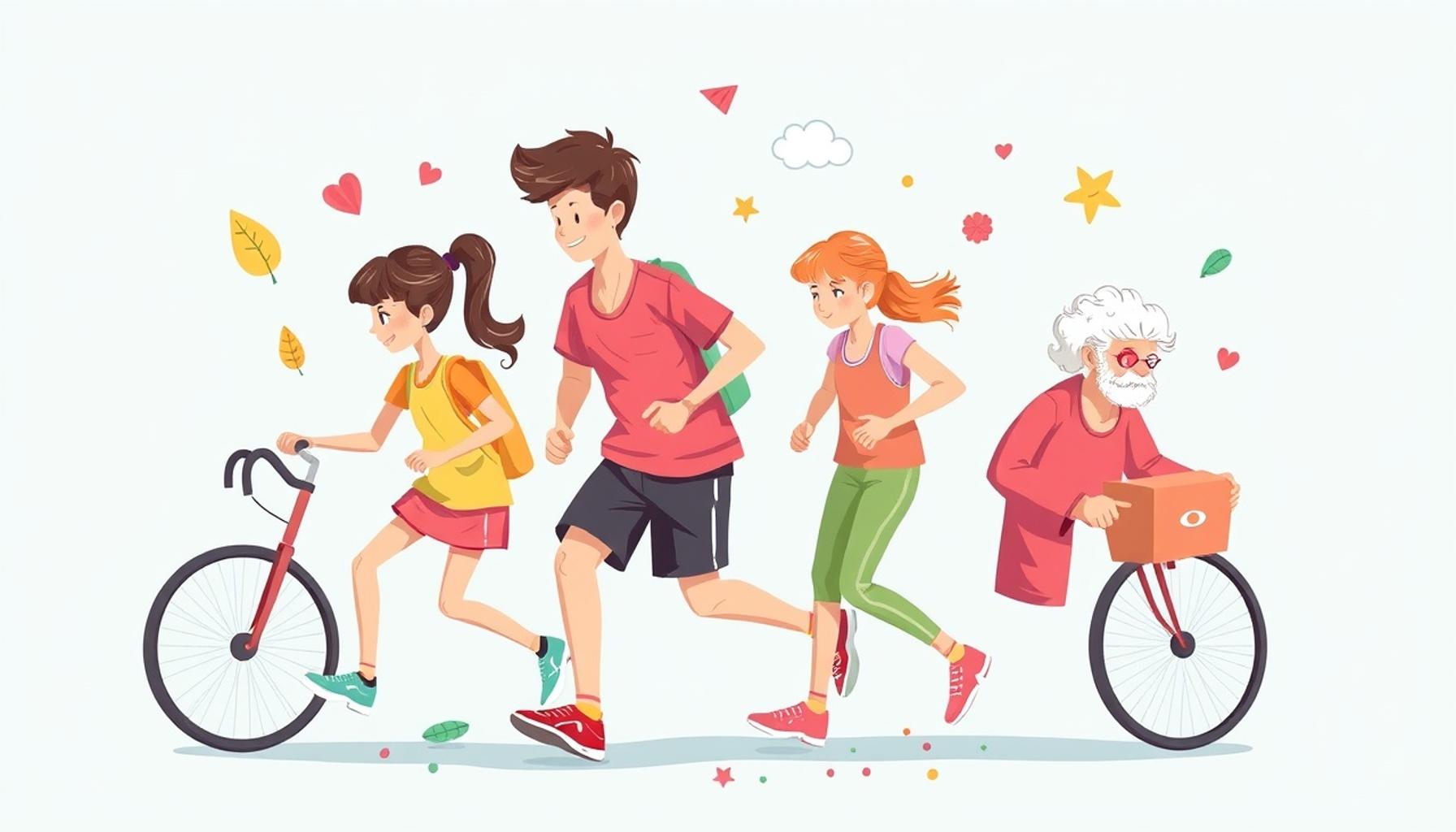
The Importance of an Active Lifestyle
In our modern society, where technology dominates and sedentary habits are increasingly common, the battle against inactivity is more critical than ever. An active lifestyle encompasses a range of physical activities that promote health and well-being, from simple daily movements to structured exercise routines. Engaging in these activities is essential for individuals spanning all age groups—from infants taking their first steps to seniors maintaining their independence.
One of the most significant benefits of regular physical activity is the improvement of physical health. Studies show that consistent exercise plays a vital role in reducing the risk of chronic diseases such as heart disease, diabetes, and obesity. For instance, health data from the Centers for Disease Control and Prevention (CDC) indicate that just 150 minutes of moderate aerobic activity each week can drastically lower the probability of developing these serious conditions. This highlights the importance of integrating movement into daily routines, whether through brisk walks, cycling, or active hobbies.
Mental well-being is another compelling reason to stay active. Research reveals that physical activity releases endorphins, commonly known as “feel-good” hormones. These natural mood lifters can alleviate symptoms of anxiety and depression, helping individuals manage their mental health more effectively. Regular engagement in activities such as dancing or group fitness classes not only cultivates a positive mindset but also reinforces a sense of accomplishment and purpose.
Encouraging Physical Activity in Children
For the youngest members of society, finding enjoyable ways to stay active is crucial for growth and development. Opportunities can be plentiful, including:
- Playgrounds and parks: Open spaces that encourage unstructured play are essential for developing motor skills and social interactions.
- Team sports: Activities such as soccer or basketball promote teamwork and discipline while fostering friendships.
- Dance classes: These sessions not only enhance rhythm and coordination but also provide creative outlets for self-expression.
Promoting Activity Among Older Adults
For older adults, staying active is equally important for maintaining health and enhancing quality of life. Suitable options for this demographic may include:
- Walking clubs: These groups foster socialization while encouraging regular physical activity in a supportive environment.
- Low-impact aerobics: Tailored exercises designed to be gentle on the joints promote heart health without causing strain.
- Yoga and tai chi: These practices focus on flexibility, balance, and mindfulness, which are crucial to preventing falls and improving mental clarity.
By actively integrating physical activities into daily life, we can not only combat the challenges of a sedentary lifestyle but also nurture healthier, happier generations. The ripple effects of maintaining an active lifestyle are profound, enhancing not just individual lives but society as a whole. Thus, the commitment to promoting accessible and enjoyable physical activities is not merely a personal choice but a collective responsibility that can lead to a healthier future for all.
Bridging Generations Through Movement
Physical activity is a fundamental component of a healthy lifestyle, serving as a powerful tool to promote overall well-being across all age groups. In recent years, as the evidence surrounding the benefits of regular exercise has accumulated, public health campaigns have increasingly focused on ways to incorporate movement into daily routines for both children and the elderly. The significance of this initiative extends beyond physical health, as it fosters social connections, cognitive function, and emotional resilience.
First and foremost, the positive impact of physical activities on child development cannot be overstated. Engaging in regular movement encourages children to explore their environment, enhancing coordination and motor skills essential for more complex physical activities later in life. The American Academy of Pediatrics emphasizes that children should engage in at least 60 minutes of physical activity daily, a guideline that can be achieved through various fun and interactive activities. These may include:
- Outdoor games: Classic games like tag, capture the flag, or hopscotch not only promote cardiovascular fitness but also encourage teamwork and cooperation.
- Swimming: A low-impact activity that builds strength and endurance while providing relief from the heat, making it particularly enjoyable for families in warmer climates.
- Biking: Teaching children to ride a bicycle instills a sense of independence and encourages exploration while reinforcing balance and coordination skills.
Moreover, school programs and community organizations play a pivotal role in promoting an active lifestyle among youth. Participating in organized sports, such as soccer, basketball, or gymnastics, enables children to build social networks, instill discipline, and cultivate a love for movement that could last a lifetime. These activities create a foundation not only for physical prowess but also for essential life skills like perseverance and resilience.
The Lifelong Benefits of Staying Active
As children grow and transition into adulthood, the habit of engaging in regular physical activity should not fade. Instead, it is crucial to adapt the type of activities to match evolving interests and capabilities. The transition from childhood to adolescence offers a unique opportunity to introduce varied forms of physical exercise, such as martial arts or individual sports like tennis, which promote self-discipline and personal goal-setting.
For older adults, the need for physical activity remains just as pressing. Staying active in old age provides numerous benefits, including enhanced mobility, reduced risk of falls, and improved cardiovascular health. The World Health Organization advises that older adults engage in both aerobic and muscle-strengthening activities on a regular basis. Options can include:
- Gardening: This enjoyable pastime allows older adults to engage in low-intensity exercise while also providing mental stimulation and satisfaction from nurturing plants.
- Water aerobics: The buoyancy of water reduces strain on the joints while providing an effective workout, making this a perfect option for seniors.
- Community walking groups: These groups enhance social interaction while encouraging regular walking sessions, which can significantly improve cardiovascular health.
Incorporating movement into daily routines, from playgrounds to parks to fitness classes, cultivates a culture of activity that benefits both children and seniors alike. This intergenerational approach not only enhances individual health outcomes but also strengthens community ties, creating a supportive environment that cherishes physical well-being for everyone.
| Category | Details |
|---|---|
| Physical Development | Engaging in physical activities enhances strength, flexibility, and coordination, vital for children’s growth and older adults’ mobility. |
| Mental Health Benefits | Regular exercise reduces stress and anxiety, improving overall mental well-being for both young and senior citizens. |
| Social Interaction | Participating in group sports or classes fosters community and builds relationships, enhancing the quality of life for all age groups. |
| Increased Longevity | Regular physical activity is linked to longer life expectancy and reduced risk of chronic diseases, making it essential for all ages. |
In focusing on fostering an active lifestyle among children and older adults, society can cultivate environments that encourage participation in various physical activities. By implementing community programs that support health and well-being, families and local organizations can make a substantial impact on public health.
Creating Inclusive Opportunities for Movement
As we continue to explore physical activities for all ages, it’s imperative to consider accessibility and inclusivity. Physical activity should not be a privilege limited to a select few; it must be an opportunity available for everyone. Inclusive programs that cater to individuals with different abilities can foster a sense of belonging and engagement in their communities. This is particularly crucial for children with disabilities, as early participation in physical activities can have lasting effects on their health and well-being.
Adaptive sports programs and recreational clubs have emerged across the United States, offering a variety of activities tailored for individuals with differing capabilities. Programs such as Special Olympics provide a platform for children and adults with intellectual disabilities to participate in competitive sports, promoting physical fitness and social inclusion. Similarly, the Challenged Athletes Foundation offers grants to individuals with physical disabilities, supporting their participation in various sports, encouraging an active lifestyle, and creating pathways for lifelong fitness.
Intergenerational Programs: Building Stronger Communities
Intergenerational physical activity programs bridge the gap between younger and older generations, fostering collaboration and friendship. These initiatives can take many forms, such as community fitness classes, dance sessions, or walking clubs where both children and seniors engage in shared activities, enhancing mutual understanding and respect. For example, local parks often host “senior and junior” classes where families can bring their children to learn yoga or tai chi alongside older participants. This not only promotes an active lifestyle but also enriches social bonds, providing opportunities for storytelling and shared experiences.
Numerous research studies have shown that intergenerational involvement in physical activities can lead to a multitude of benefits. A study published in the Journal of Intergenerational Relationships found that participants in intergenerational fitness activities experienced decreased loneliness and increased overall wellness. To facilitate these bonds, community centers can offer multi-generational fitness days, inviting everyone to participate in inclusive activities that promote physical engagement and connectivity.
Technology as a Resource for All Ages
In today’s increasingly digital world, technology plays a vital role in encouraging physical activity across generations. With age-appropriate fitness apps and online classes, individuals of all ages can access guided workouts, nutritional advice, and motivational challenges. For instance, programs like the Fitness Blender provide a plethora of free home workout videos targeted towards various skill levels, making fitness accessible regardless of where one lives.
Moreover, wearable fitness trackers can motivate and engage both young and old alike. These devices not only monitor physical activity but also encourage friendly competition through features like step challenges. Families can participate together, setting collective goals that enhance communication and promote shared enthusiasm for staying active. In a survey conducted by the Pew Research Center, over 60% of older adults expressed interest in using technology to track their fitness, reinforcing that the desire to stay active exists across age demographics.
Incorporating diverse programming, fostering intergenerational connections, and leveraging technology can create a comprehensive framework for promoting an active lifestyle among all age groups. Such strategic endeavors ensure that physical activity is not just an individual pursuit but a community-focused initiative, enriching lives across generations.
Conclusion: Embracing Movement for a Healthier Future
As we have explored the multifaceted benefits of physical activities for all ages, it becomes evident that promoting an active lifestyle is not merely an option; it is a vital necessity. By creating inclusive programs that cater to a diverse range of abilities and age groups, we can dismantle the barriers that often prevent participation in physical activities. Tailoring initiatives for children and older adults—and finding common ground through intergenerational programs—fosters not only individual well-being but also strengthens community bonds.
The advancements in technology serve as a powerful ally in this endeavor, making physical fitness more accessible than ever. With the proliferation of fitness apps, online classes, and wearable trackers, people of all ages can discover enjoyable ways to stay active, providing opportunities for families to engage together in meaningful ways. This investment in movement leads to improved physical health, enhanced mental well-being, and a richer social experience for everyone involved.
Looking to the future, it is essential to prioritize and advocate for comprehensive strategies that promote an active lifestyle through education, community involvement, and technological integration. These efforts will not only improve the quality of life for individuals but also cultivate healthier, more connected communities. Therefore, let us embrace movement, regardless of age, and work collectively toward a culture that celebrates and values physical activity as a cornerstone of a vibrant, healthy life.