Positive Training Techniques to Improve Pet Behavior

Understanding Positive Training Techniques
Behavior issues in pets can strain the bond between owners and their furry companions. Fortunately, positive training techniques offer a way to improve behavior while strengthening that connection. By employing strategies based on reward and reinforcement, you can guide your pet towards desired behaviors in a compassionate manner. This method is not only beneficial for pet behavior but also essential for enhancing the overall owner-pet relationship, creating a harmonious living environment.
What Are Positive Training Techniques?
- Reward-based training: This popular method involves offering treats, verbal praise, or engaging playtime as incentives for good behavior. For example, rewarding a dog with a tasty treat when it sits on command reinforces that behavior, making it more likely to happen again in the future.
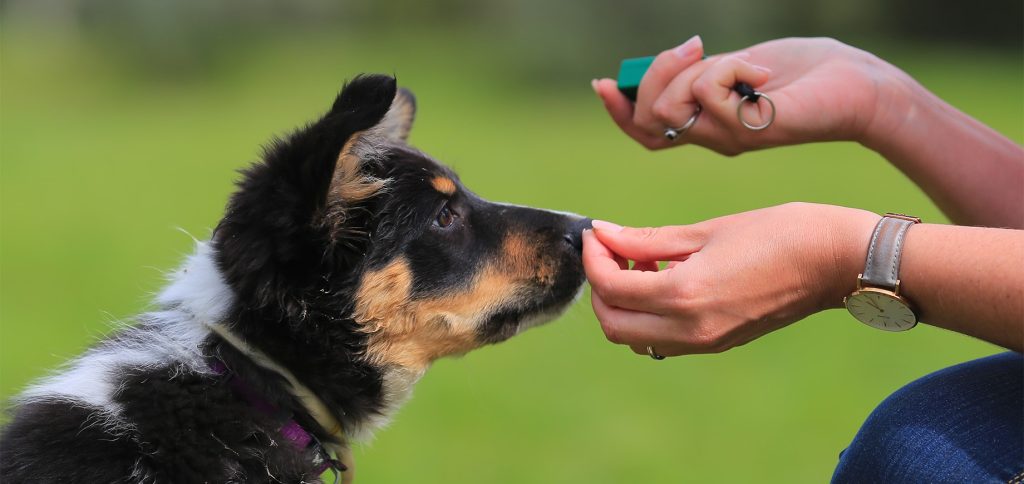
- Clicker training: Utilizing a clicker device allows you to mark the precise moment a desired behavior occurs, providing immediate feedback. When training a cat to use a litter box, for instance, clicking at the moment they enter the box can create a clear association between the act and the positive response.
- Socialization: Gradually exposing pets to new experiences, people, and environments is crucial for their development. For instance, taking puppies to a variety of settings can reduce fear-based behaviors later in life and help them become well-adjusted adult dogs.
- Consistency: Maintaining uniform commands and established routines helps your pet understand expectations more clearly. If you ask for “sit” one day and “down” the next, your pet may become confused. Consistency aids comprehension and builds responsiveness over time.
These techniques are not just humane; they are scientifically proven to yield effective results. Research indicates that animals trained with positive reinforcement show improved compliance and a deeper connection with their owners. In a country where pets are integral to family life, enhancing their behavior can lead to a more enjoyable home environment.
Why Choose Positive Techniques?
There are numerous benefits to using positive training approaches, making it an attractive choice for pet owners. They tend to:
- Create a trusting relationship: Animals that feel secure are more likely to respond positively to training.
- Minimize anxiety: Dogs and cats trained using positive methods generally exhibit lower stress levels, making them more comfortable in various situations.
- Avoid aggression: By fostering a non-threatening training environment, you reduce the likelihood of aggressive behaviors developing over time.
- Encourage learning through enjoyment: The fun and engaging nature of positive reinforcement makes training sessions something pets look forward to rather than dread.
Discovering more about these techniques can change the daily dynamics of pet ownership for the better. Engaging with your pet in a positive way not only curbs problematic behavior but also fosters a joyful experience for both pet and owner. As pet ownership continues to evolve in the United States, embracing positive training methods can lead to a future where pets and their owners thrive together, creating a lasting bond built on trust and mutual respect.
Exploring the Effectiveness of Positive Training Techniques
The world of pet training has evolved tremendously over the years, with positive training techniques emerging as a frontrunner in effective pet behavior management. Traditional methods often relied on correction and punishment, but research has increasingly shown that animals respond more favorably to reinforcement-based training. By creating a positive atmosphere, you not only train your pet but also cultivate a lasting bond that enriches both your lives.
The Science Behind Positive Training
Understanding the principles that make positive training effective is crucial for any pet owner. Scientific studies suggest that training methods based on rewards stimulate a dog’s or cat’s brain, promoting a sense of joy and engagement. Here are some key elements that highlight the efficacy of these techniques:
- Neurochemical rewards: When pets receive praise or treats, their brains release dopamine—a feel-good chemical that reinforces the behavior. This makes them more likely to repeat the desired actions in the future.
- Learning through association: Pets quickly learn to associate their good behavior with positive outcomes. For instance, when a dog is rewarded for not barking at a visitor, it sees the action of remaining calm as beneficial, thus reinforcing quiet behavior.
- Reduction of fear and anxiety: Positive training methods reduce the likelihood of adverse reactions triggered by stress or confusion. As pets become accustomed to a supportive environment, they are less likely to exhibit fear-based behaviors, such as aggression.
- Promoting critical thinking: Positive reinforcement encourages pets to think through their actions. Encouraging a cat to solve a puzzle or a dog to figure out how to perform a trick fosters mental stimulation and problem-solving skills.
Moreover, these techniques are more than just effective; they are also enjoyable for both pets and their owners. Engaging in positive training transforms what can sometimes be a frustrating experience into a bonding activity filled with fun and shared success. Regular sessions not only teach your pet but also create joyful moments that contribute to a healthy relationship.
Implementing Positive Training at Home
When it comes to applying positive training techniques in your home, consistency and patience are paramount. Begin with short, enjoyable sessions that focus on one behavior at a time. Here are some practical tips for implementing these techniques effectively:
- Start with basics: Focusing on simple commands, like “sit” or “stay,” can lay the groundwork for more advanced training.
- Use high-value rewards: Understand what motivates your pet most. It could be a particular treat, a specific type of praise, or an interactive toy that keeps them engaged.
- Observe and adapt: Each pet is unique. Pay attention to their responses and adjust your approach if necessary. What works for one may not work for another.
- Schedule regular practice: Consistent training sessions, even if they are brief, help reinforce learning and keep your pet on a path to good behavior.
Utilizing these tips along with a compassionate approach can lead to remarkable improvements in your pet’s behavior. By dedicating time and effort to positive training techniques, you are not just correcting unwanted behaviors but are also paving the way for a deeper connection with your beloved pet.
| Training Technique | Description & Benefits |
|---|---|
| Clicker Training | A method that uses a clicking sound to mark desired behavior, paired with treats for immediate rewards. |
| Positive Reinforcement | This technique focuses on rewarding good behavior, fostering a strong bond between pet and owner, and encouraging repeat behavior. |
| Socialization Exercises | Engaging your pet with other animals and people makes them more adaptable and helps reduce anxiety in various situations. |
| Consistency in Commands | Using the same cues and commands reinforces learning and builds trust with your pet for effective behavior communication. |
Incorporating these techniques into your daily routine can significantly enhance your approach to pet training. It emphasizes understanding your pet’s behavior while developing a mutually respectful relationship. By focusing on positive interactions, you pave the way for a calmer and more obedient furry companion. This technique-oriented training connects not only with your pet’s instincts but also harnesses rewarding experiences that encourage growth and exploration. Dive deeper into these methods and learn how they can transform your pet’s behavior for the better!
Successful Positive Training Techniques: Real-World Applications
As positive training techniques garner more attention among pet owners, it is essential to explore specific methods that can significantly improve your pet’s behavior. These techniques harness the principles of positive reinforcement and provide pet owners with effective strategies to ensure desirable behavioral outcomes. Below are some widely recognized approaches and their applications:
Clicker Training
One of the most popular methods in positive reinforcement is clicker training. This technique utilizes a handheld clicker to mark desired behaviors at the exact moment of execution. The sharp “click” sound serves as a bridge between the behavior and the reward, helping pets understand precisely what they are being rewarded for. To implement this method:
- Begin by associating the click sound with a treat.
- Introduce simple commands like “sit” or “lie down.” When your pet performs the action, click immediately and reward them.
- Gradually transition to more complex commands as your pet becomes proficient.
Many trainers find clicker training particularly effective because it eliminates ambiguity, allowing pets to learn at their own pace while still receiving immediate feedback.
Target Training
Target training is another effective positive approach where pets learn to touch a specific object—such as a stick or your hand—with their nose or paw. This technique can be helpful in redirecting unwanted behaviors or guiding animals into specific positions. Here’s how to use it:
- Select an object to serve as the target.
- Encourage your pet to approach the target and reward them with a treat when they make contact.
- Gradually increase the distance or complexity of the target practice.
This approach is not only advantageous for training but also provides mental stimulation as pets learn to engage with their environment creatively and interactively.
Leash Training for Calmness
For those struggling with walking their dogs, leash training is a vital aspect of positive training techniques. Many dogs exhibit pulling behavior that can be distressing for both the pet and the owner. Through the use of positive reinforcement, you can teach your pet to walk calmly on a leash:
- Start in a distraction-free environment and use a well-fitted harness.
- Reward your dog for walking beside you, using treats or verbal praise.
- If your dog pulls, stop walking until they return to your side before rewarding them again.
This method encourages focused walking instead of chaotic pulling and builds a greater connection between you and your dog through collaborative engagement.
Socialization Techniques
Another integral part of strengthening desired behaviors in pets is through socialization. Exposing pets to various environments, people, and other animals can enhance their adaptability and calmness in stimulating situations. Here are ways to achieve positive socialization:
- Attend puppy kindergarten or training classes, where pets learn to interact with other animals in a structured setting.
- Organize playdates with other friendly pets to build confidence and ease anxiety.
- Gradually introduce your pet to new environments, offering treats and praise for calm behavior in unfamiliar settings.
A well-socialized pet is less likely to develop anxiety-related issues and more likely to exhibit positive behaviors in diverse circumstances.
With these various strategies and techniques at your disposal, pet owners are empowered to customize their training experiences. Whether you choose clicker training, target training, or focused leash training, the emphasis remains on positivity, encouraging behavioral adjustments while fostering a loving and trusting relationship with your furry friends.
Conclusion: Embracing Positive Training Techniques for Enhanced Pet Behavior
In summary, the journey towards improved pet behavior can be both fulfilling and enjoyable when leveraging positive training techniques. As we’ve explored in the various methods outlined above—such as clicker training, target training, and socialization—these approaches emphasize the importance of reinforcement in shaping desirable actions while fostering a deep bond between pet and owner.
Moreover, not only do these techniques enhance behavioral outcomes, but they also contribute to a pet’s overall well-being. The focus on rewarding good behavior empowers pets to interact more confidently in their environment, reducing anxiety and promoting a calm demeanor. As pet owners in the United States and beyond engage with these strategies, they not only enhance their pet’s abilities but also cultivate a loving relationship built on trust and understanding.
As we consider the vast landscape of pet training methods, it becomes crucial to remember that patience and consistency are key elements of success. Each pet is unique, and what works for one may not necessarily resonate with another. By exploring and personalizing these positive training techniques, pet owners can lead their furry companions towards a more harmonious coexistence, turning challenges into shared adventures and fostering behaviors that enhance the pet-human connection.
For those eager to learn more, delve further into the many resources available, such as training workshops, online forums, and books dedicated to this empowering approach. With the right techniques and an open heart, every pet can thrive, becoming a source of joy and positivity in our lives.