The Adoption of Pets: What to Know Before Choosing a Bird

Choosing a Feathered Friend
Adopting a pet bird can be an enchanting experience, but it’s essential to consider several factors before making the leap. Unlike traditional pets, such as cats and dogs, birds have specific needs and behaviors that may surprise first-time owners. Understanding these differences can help you create a nurturing environment where your new feathered friend can thrive.
Key Considerations
Before bringing a bird into your home, here are some important aspects to keep in mind:
- Species Selection: Each bird species has unique characteristics, ranging from social interactions to noise levels. Popular options include:
- Parakeets: Also known as budgerigars, these small birds are friendly and relatively easy to care for. They thrive on social interaction and can even learn to mimic human speech, making them great companions for families.
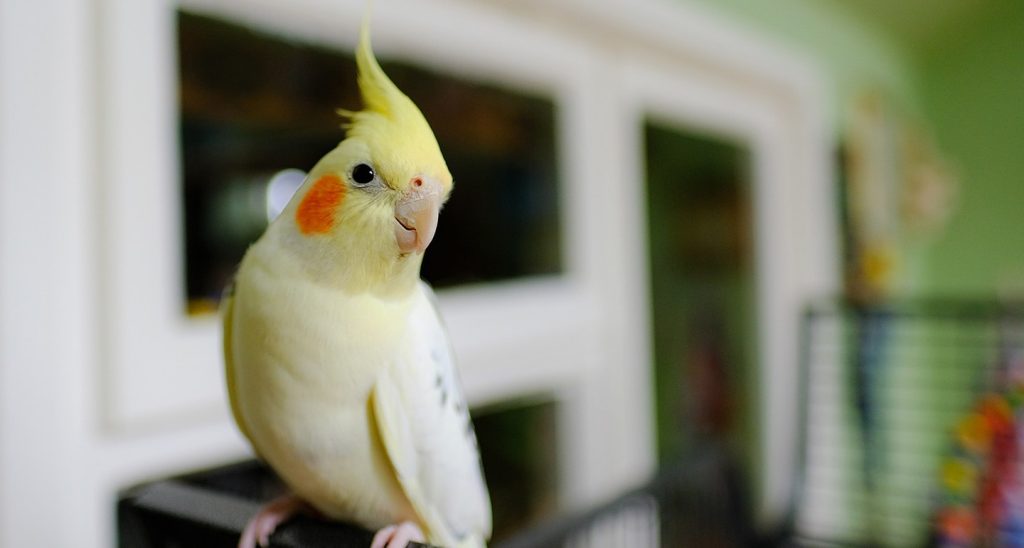
- Cockatiels: Known for their affectionate nature, cockatiels are a favorite among bird enthusiasts. They enjoy human interaction and can perform a variety of tricks, making them entertaining pets.
- Conures: These birds are known for their vibrant colors and playful personalities. However, they can be quite loud and require ample socialization, so they are best suited for families ready to engage with them regularly.
- Space Requirements: Birds require sufficient space for their cages and play areas. The minimum cage size varies by species, but larger birds like macaws need roomy environments. In general, birds should have adequate space to flap their wings freely and engage in activities like climbing and playing. Keep in mind that they benefit significantly from out-of-cage time for exploration and bonding.
- Diet and Care: Birds have specific dietary needs that vary by species. Parakeets may require a seed mix combined with fresh fruits and vegetables, while larger birds like cockatoos might need a more varied diet including pellets and nuts. Research your pet’s nutritional requirements to ensure a healthy lifespan. It’s also crucial to provide fresh water daily and maintain a clean living environment.
Exploring the intricacies of pet bird ownership reveals a rewarding opportunity for companionship. While it requires commitment and understanding, the joy of having a bird can be immense. Many bird owners enjoy forming deep connections with their avian friends, observing their natural behaviors, and even teaching them tricks.
This article serves as a guide through the essentials of adopting a bird, ensuring you make informed decisions for a harmonious relationship with your new avian ally. Are you ready to discover the wonders of feathered companionship? The journey towards bird ownership requires thoughtful consideration, but the rewards are undoubtedly worth it.
Understanding Bird Behavior and Personality
One of the most captivating aspects of bird ownership is the diverse range of personalities and behaviors displayed across different species. Understanding these traits can significantly influence your decision on which bird to adopt. It is essential to recognize that, much like dogs and cats, birds have their own unique personalities that shape their interactions with humans and their environment.
Social Dynamics
Birds are inherently social creatures, with their sociability levels varying widely by species. Here are some behavioral traits to consider:
- Socialization Needs: Many birds, especially smaller ones like parakeets and cockatiels, require frequent interaction to stay happy and healthy. A lack of social engagement can lead to behavioral issues such as feather plucking and excessive screeching. If your lifestyle does not offer ample time for socializing with a bird, consider a species that is known to be more independent.
- Affection Levels: Birds like cockatoos and lovebirds are known for their affectionate nature, often seeking out human attention and cuddling. However, their dependence on social interactions demands a household ready to provide ample affection.
- Noisy Habits: Birds can be loud! Certain species, like conures and macaws, are known for their vocal tendencies, providing lively soundtracks to everyday life. However, this can be less appealing in quieter households or apartments with noise restrictions.
It is vital to match your home environment and lifestyle with the personality of the bird you wish to adopt. Researching specific behavioral traits and social needs is key to ensuring harmony in your household.
Training and Enrichment
Birds are intelligent and curious animals that thrive on mental stimulation and training. Engaging your feathered friend in enrichment activities not only enhances their quality of life but also strengthens the bond between you and your pet. Consider the following:
- Training Opportunities: Many bird species can be trained to perform tricks, mimic sounds, or even engage in interactive games. Starting with basic commands can lead to a rewarding relationship, but it is essential to use positive reinforcement techniques to encourage desired behaviors.
- Toys and Activities: Providing your bird with stimulating toys and activities prevents boredom and encourages natural behaviors. Look for foraging toys that challenge their instincts and keep them engaged for extended periods.
- Interaction Frequency: Regular interaction is crucial for a bird’s psychological well-being. Scheduled playtime outside of the cage fosters a connection and allows them to explore their environment safely.
By understanding the behavioral needs of your bird, you open the door to a fulfilling companionship. Remember to take the time to learn about the species you are considering, as each brings a unique set of traits that can enhance your life in different ways. The commitment to understanding your bird can make the adoption experience both enriching and enjoyable.
The Adoption of Pets: What to Know Before Choosing a Bird
When considering the adoption of a feathered friend, it’s essential to understand not only the commitment involved but also the unique traits and needs of various bird species. Birds can be captivating companions, but they come with their own set of requirements that potential pet owners should carefully assess prior to making a decision.
An important aspect of bird ownership is socialization. Many species, such as parrots, require regular interaction to thrive. Unlike cats and dogs, birds can become lonely or depressed without enough engagement, which can lead to behavioral issues. Providing ample time and stimulation is crucial for their happiness.
Diet is another critical consideration. Birds have specialized dietary needs that often go beyond basic seeds. A balanced diet consisting of fruits, vegetables, and formulated pellets is necessary to maintain optimal health. Conducting thorough research on dietary requirements for the specific bird you wish to adopt will ensure a long and healthy life for your avian companion.
Additionally, housing and environment play a significant role in a bird’s well-being. Birds require spacious cages with appropriate perches, toys, and enrichment activities to keep them mentally stimulated and comfortable. Understanding space requirements and potential hazards in your home, such as toxic plants or small objects that could be ingested, is essential for keeping your bird safe.
Finally, one must consider the long-term commitment that comes with adopting a bird. Many species can live for decades, making it crucial for adopters to prepare for a long-term relationship. Subsequently, potential bird owners should be aware of the veterinary care that birds require, including routine check-ups and vaccinations, to ensure they remain healthy throughout their lives.
| Category | Advantages |
|---|---|
| Social Interaction | Birds like parrots require regular engagement to stay happy, reducing boredom and stress. |
| Dietary Needs | Balanced nutrition promotes a strong immune system and a vibrant personality in your bird. |
| Environmental Safety | Creating a safe habitat enhances your bird’s quality of life and prevents accidents. |
| Long-Term Commitment | Understanding the lifespan of birds ensures you are prepared for years of companionship and care. |
In summary, the adoption of a pet bird is not a trivial decision. It necessitates a well-rounded understanding of their needs and lifestyle. By investing time in research and preparation, prospective bird owners can create a loving and supportive environment that ensures a rewarding relationship with their avian companion.
Essential Housing and Care Considerations
When adopting a bird, one of the most critical factors to consider is their housing and overall care requirements. Birds, especially larger species, need spacious accommodations and proper care to thrive. Neglecting their housing needs can lead to stressed birds and health issues, so it’s essential to familiarize yourself with the specifics before making a decision.
Cage Requirements
The size and type of cage can significantly impact your bird’s quality of life. Here are some vital guidelines:
- Space Needs: The general rule of thumb is that the cage should be at least two times the wingspan of the bird across and three times its height. Larger species like macaws require significantly larger cages, often exceeding 6 feet in height.
- Bar Spacing: Ensure that the bar spacing is appropriate for the species you are considering. Too wide a spacing can lead to escape or injury, while too narrow may restrict movement.
- Multilevel Cages: Consider purchasing a multilevel cage with platforms and toys to encourage climbing and exploration. This setup mimics a bird’s natural habitat and facilitates essential exercise and play.
Daily Care and Maintenance
Beyond housing, birds require specific care to keep them healthy and happy. Familiarize yourself with the daily maintenance chores:
- Dietary Needs: A balanced diet is crucial, consisting of high-quality pellets, fresh fruits, and vegetables. Each species has its dietary preferences; for example, larger birds like African Grey Parrots may need more varied diets than a finch.
- Regular Cleaning: Bird cages should be cleaned regularly to prevent the buildup of droppings and bacteria. A routine of daily spot cleaning, coupled with a thorough weekly cleaning, will maintain a healthy habitat.
- Health Monitoring: Observing your bird for changes in behavior or appetite is essential, as birds are experts at hiding illnesses. Regular check-ups with an avian veterinarian can catch potential health issues early.
Understanding Lifespan and Long-term Commitment
Birds can live surprisingly long lives; some species, like parrots, can live for over 50 years. This lifespan means that adopting a bird is a long-term commitment, akin to having a child. Here’s what you should consider:
- Life Events: Consider how significant life changes (moving, having children, or traveling) may impact your ability to care for your bird. Are you prepared to make adjustments to accommodate its needs?
- Outliving Owners: There are instances where birds outlive their human caregivers, leading to the need for rehoming. Establish a support system or a plan for the bird’s future in the event of an emergency.
Understanding the physical and emotional needs of birds is essential when considering adoption. This holistic approach not only ensures a smooth transition into your home but also fosters a long-lasting and rewarding relationship with your new feathered friend. Each decision plays a pivotal role in setting the stage for a joyful, interactive companionship. By equipping yourself with this knowledge, you can make an informed choice that benefits both you and your future avian companion.
Conclusion
The decision to adopt a bird is not one to be taken lightly, as these vibrant creatures require a unique blend of care, commitment, and interaction. By understanding the housing needs and daily care routines specific to birds, potential adopters can better prepare for a fulfilling relationship with their new feathered companions. A well-chosen cage, proper diet, routine cleaning, and proactive health monitoring are crucial elements that contribute to an enriching environment and a happy, healthy bird.
Moreover, the long lifespan of many bird species means that adopting a feathered friend is a long-term commitment. It’s essential to evaluate how life changes may impact your ability to care for your bird throughout its life. Establishing contingency plans for their future care is a wise consideration, ensuring that your avian companion remains a beloved member of your family, even as circumstances evolve.
In conclusion, the journey of adopting a bird can be immensely rewarding if embarked upon with thorough research and an understanding of their needs. Armed with the right knowledge, you can create a nurturing home that not only meets your bird’s requirements but also enriches your life with joy and connection. By making informed decisions and being committed to the well-being of your avian friend, you pave the way for an extraordinary partnership that brings countless moments of delight and companionship.