The Impact of Social Media on Pet Adoption

Introduction
Social media has radically transformed how we share and access information, influencing numerous areas of our lives. One particular sector that has seen a significant impact is pet adoption. The seamless connectivity of platforms like Facebook, Instagram, and Twitter has made it easier than ever to reach potential adopters.
Here are some ways social media affects pet adoption:
- Wider Reach: Shelters now have the ability to showcase available pets to thousands, if not millions, of potential adopters through the click of a button. For instance, a shelter in New York City might post a video of a friendly dog on Instagram, instantly reaching thousands of followers and encouraging them to share it with their networks. This kind of viral content can lead to a surge of interest, increasing the chances of an animal being adopted.
- Awareness Campaigns: Dedicated days like #AdoptDontShop play a vital role in raising awareness and promoting the cause of pet adoption. In 2020, during the #AdoptACatMonth campaign, shelters across the U.S. reported heightened adoption rates after engaging in collective social media efforts that highlighted the importance of rescuing animals over purchasing them from breeders.
- Personal Stories: Sharing success stories and heartwarming photos of adopted pets often fosters an emotional connection for prospective owners. For example, stories showcasing a formerly neglected dog learning to trust humans again can resonate with many, potentially inspiring others to take a chance on a rescue pet. Many organizations have dedicated Instagram accounts where they feature “before and after” photos that powerfully illustrate an animal’s journey to finding a loving home.
- Community Engagement: Local groups thriving on social media create an enhanced sense of community and are often behind initiatives that drive adoption rates. For instance, a shelter may organize a “Paw-tastic Adoption Day” at a local park, broadcasting it through social media to garner excitement and increase foot traffic. Events like these not only boost adoption numbers but also help in building lasting relationships between the shelters and the community.
As research suggests, the blend of visuals and storytelling on social media significantly influences the decision-making process for adopting a pet. Studies indicate that animals featured on these platforms often find homes faster compared to pets advertised solely through traditional means such as flyers or community bulletin boards. This dynamic connection also cultivates a more compassionate society towards homeless animals by educating potential adopters about the realities faced by these pets.
With the ever-growing presence of social media in daily life, its role in facilitating pet adoption cannot be overlooked. Potential adopters are increasingly turning to these digital channels for guidance and inspiration, while animal shelters can leverage these platforms for greater outreach and engagement. By embracing social media’s advantages, both adopters and shelters have the opportunity to create meaningful connections and ultimately save lives. Understanding this dynamic may encourage prospective pet owners to explore the resources available online and inspire shelters to maximize their outreach efforts through tailored digital strategies.
Harnessing the Power of Social Media for Pet Adoption
Social media has emerged as a formidable tool in shaping the landscape of pet adoption. As potential adopters browse through their feeds, they are not only consuming entertaining content but are also absorbing vital information about pet adoption that may influence their decision to welcome a furry friend into their homes. The unique features of social media platforms facilitate engagement and interaction, which are essential for raising awareness about pets in need of homes.
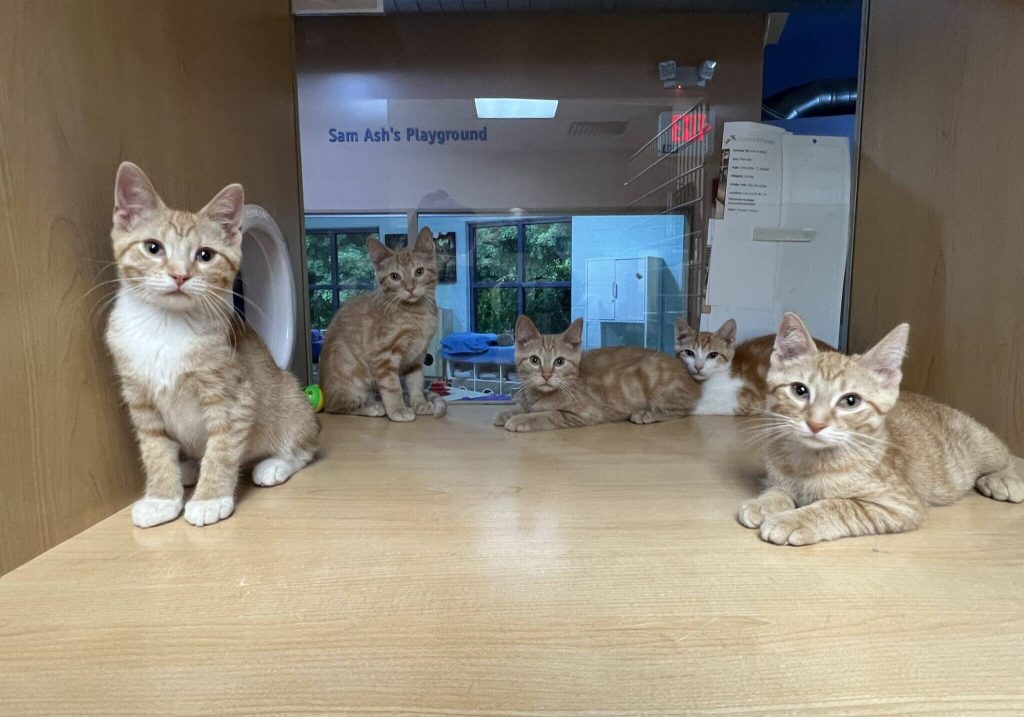
One of the most significant aspects of this phenomenon is the real-time communication that social media affords. Animal shelters are now able to update their followers instantly about an animal’s availability or any upcoming adoption events. This immediacy fosters a sense of urgency, compelling potential adopters to act quickly rather than waiting to visit the shelter at a later date. For instance, if a desperate call for an adopter goes out on Twitter, it can create a ripple effect, prompting followers to share the message, thereby reaching an even broader audience.
Visual Appeal of Pets
The visual nature of platforms like Instagram places the spotlight on adorable, adoptable animals. High-quality photos and videos captivate viewers’ attention and often elicit instant emotional responses. Shelters are utilizing this to showcase the personalities of pets through captivating content. They post not only images of the animals but also videos highlighting their playful antics and loving nature. This strategy can convert casual onlookers into committed adopters. As research suggests, social media posts featuring engaging visuals can lead to a 70% increase in adoption inquiries. This suggests that visual storytelling is a powerful motivator in increasing pet adoption rates.
Success Stories Foster Connection
Highlighting success stories is another effective way that social media impacts pet adoption. Shelters often share narratives of pets who have faced challenging situations, showcasing their transformations after receiving care. This kind of storytelling serves a dual purpose: it raises awareness of the plight of homeless animals while simultaneously inspiring others to consider adoption. For example, a heartfelt post detailing how a shy rescue dog blossomed into a playful companion can resonate deeply with potential adopters who may be hesitant about adopting a pet with a troubled past.
- Engaging Content: Posts that include compelling before-and-after photos or videos tend to attract more attention and shares.
- Adoption Testimonials: Sharing testimonials from happy adopters creates credibility and encourages others to take similar steps.
- Interactive Campaigns: Utilizing polls, Q&As, or even cover photos of available pets allows for deeper audience interaction, helping them feel invested in the cause.
The emotional resonance of these stories not only captures attention but also promotes a culture of empathy towards pets in need. With the right combination of engaging visuals, personal narratives, and community involvement, social media is reshaping the narrative of pet adoption, making it more accessible and appealing to the general public.
The Influence of Social Media Platforms on Animal Rescue Organizations
Social media has revolutionized the way animal shelters and rescue organizations connect with potential pet adopters. By utilizing platforms such as Facebook, Instagram, and Twitter, these organizations can highlight adoptable animals through engaging posts that include *heartwarming stories* and *captivating images*. This strategy not only increases visibility for the pets but also fosters a sense of community among pet lovers.
Viral Campaigns and Their Effectiveness
Many organizations have successfully launched viral campaigns that showcase their animals needing homes. These campaigns often employ taxonomical hashtags, such as #AdoptDontShop and #PetAdoption, encouraging users to share the posts within their networks. The use of compelling visuals coupled with emotional appeals allows shelters to reach a wider audience, significantly enhancing their chances of placing pets in loving homes.
| Advantage | Description |
|---|---|
| Increased Visibility | Social media provides a platform for shelters to showcase their animals to a larger audience, enhancing adoption rates. |
| Community Engagement | Engaging content fosters community, encouraging pet lovers to advocate for rescues and share their experiences. |
The Role of Influencers in Pet Adoption
Influencers have emerged as pivotal figures in promoting pet adoption efforts. By collaborating with animal shelters, they leverage their follower base to create engaging content that showcases pets awaiting homes. These endorsements provide not only trust but can also lead to immediate results, as followers are more likely to consider adopting a pet when they see their *favorite personalities* doing so.
Challenges and Considerations
Despite the positive impact, there are also challenges that come with social media promotion. The rapid pace could lead to *adoption fatigue* where the constant call to adopt can overwhelm users. Moreover, it is essential for organizations to ensure that their messaging does not glamorize pet ownership irresponsibly. Providing resources on pet care and long-term commitments is crucial in educating potential adopters.
Community Building and Support Networks
In addition to facilitating rapid updates and sharing heartwarming stories, social media serves as a platform for community building among animal advocates, shelters, and potential adopters. Unlike traditional methods, such as flyers or newspaper advertisements, social media allows shelters to create dynamic and responsive communities where they can interact directly with followers. This two-way communication not only promotes pet adoption but also fosters a culture of support and collaboration.
Extended family, friends, and local communities can rally around adoption campaigns by sharing content, promoting events, and fundraising for shelters. For example, in regions like the Pacific Northwest, local shelters have organized “Paw Patrol” events where community members participate in virtual walks. Participants share their progress on social media platforms while showcasing their own adopted pets, creating a sense of camaraderie and encouraging others to consider adoption. According to a survey conducted by the ASPCA, approximately 65% of adopters reported that they learned about the animal they adopted through social media engagement. This statistic underscores the power of community-driven initiatives in increasing awareness and driving adoptions.
Influencers as Change Agents
Another emerging phenomenon within the digital landscape is the rise of pet influencers—social media profiles dedicated to pets that share their cute antics, travel adventures, and daily lives. Many of these pet influencers use their platforms to advocate for adoption and support shelters, thereby reaching vast audiences who may never have considered adopting a pet. By leveraging their extensive follower base, these influencers can evoke compassion and easily promote adoptable pets to a broader audience.
For instance, well-known pet influencers, such as “Doug the Pug” or “Nala Cat,” feature posts that highlight specific shelters or cause-related messages about pet adoption. Collaborations between influencers and animal shelters have become highly effective marketing strategies. Shelters have reported a significant uptick in adoption inquiries during campaigns promoted in partnership with these influencers. In fact, data indicates that adoption events featuring influencer posts on Instagram can lead to an 80% increase in foot traffic to the shelter.
Utilizing Hashtags and Online Campaigns
The strategic use of hashtags has become a game-changer in driving visibility for pet adoption posts. Campaigns like #AdoptDontShop and #RescuePets have gained traction on platforms like Twitter and Instagram, allowing users to contribute to awareness with a simple click. This not only becomes a rallying point for animal lovers but also provides a way for adopters to share their unique experiences and success stories, showing others the joys of pet ownership.
- Awareness Campaigns: Engaging campaigns that leverage social media trends can create a surge in adoption rates and visibility for desperate rescues.
- Online Fundraising: Crowdfunding initiatives on social media platforms can help shelters raise vital funds, increasing their capacity to care for animals and promote adoptions.
- Educational Posts: Sharing informative content regarding responsible pet ownership, training tips, and the benefits of adopting can create a well-informed adopter base.
With the ability to mobilize individuals and ignite social causes, social media’s role in fostering a proactive approach to pet adoption cannot be overlooked. As more shelters embrace these digital tools, the potential to transform the lives of countless animals—and the humans who adopt them—continues to grow. The engagement of online communities in support of animal welfare marks a significant shift towards a sustainable future for pet adoption efforts, reflecting the ongoing impact of social media on this important cause.
Conclusion: The Digital Revolution in Pet Adoption
In summary, social media has profoundly transformed the landscape of pet adoption, bridging the gap between shelters and potential adopters in ways that traditional methods could not achieve. Through the creative use of community engagement, collaborative campaigns with pet influencers, and innovative hashtag strategies, social media serves not only as a promotional tool but also as a catalyst for change. With a reported 65% of adopters attributing their decision to social media, it is clear that these platforms significantly enhance visibility for pets in need of homes.
Furthermore, the rise of online fundraising and educational initiatives empowers shelters to operate more effectively and reach wider audiences than ever before. As communities continue to unite in their advocacy for animal welfare, the spirit of sharing personal adoption journeys creates a ripple effect, inspiring others to consider rescuing pets in need.
As we look to the future, the role of social media in pet adoption will undoubtedly evolve, but its potential to shape perceptions, increase adoptions, and foster a sense of community remains steadfast. For anyone interested in making a difference, embracing the digital world is crucial in nurturing happier connections between pets and their forever homes. In a matter where every click, share, and post can lead to a life-changing opportunity, the ongoing exploration of social media’s power in pet adoption is not just recommended; it is essential.