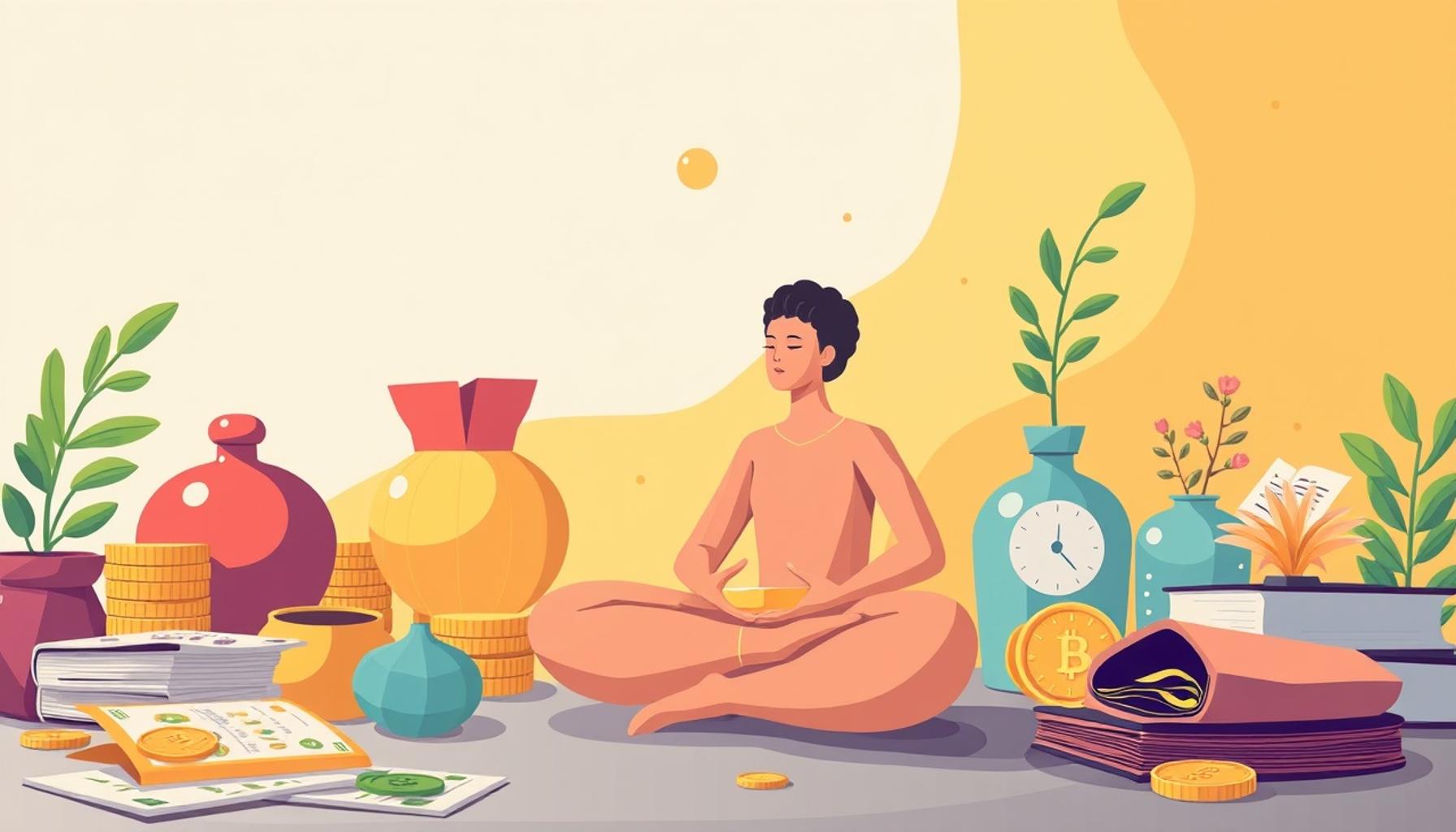
The importance of meditation in managing daily stress

The Rise of Meditation in Stress Management
In today’s society, where the demands of work, family, and social obligations can often feel insurmountable, the search for effective stress relief has become paramount. The contemporary American lifestyle is characterized by a relentless pace, leading many to seek solace in various coping mechanisms, with meditation emerging as a leading choice. This ancient practice offers a sanctuary of calm amid the storm of modern living, providing individuals with vital tools to manage stress effectively.
Understanding Mindfulness
At the core of meditation lies the concept of mindfulness, which is the practice of focusing one’s attention on the present moment without judgment. This principle helps mitigate persistent worries about the future or regrets from the past, both of which can be significant sources of stress. For instance, a busy professional may feel overwhelmed by looming deadlines or performance reviews, yet engaging in mindfulness meditation can help redirect their focus, allowing them to tackle tasks more calmly and effectively. Research indicates that regular mindfulness meditation can significantly reduce symptoms of anxiety, with participants often reporting a greater sense of clarity and a newfound ability to cope with challenges.
Emotional Regulation
Another profound benefit of meditation is its impact on emotional regulation. Through consistent practice, individuals can cultivate resilience, enabling them to respond to stressors with a more balanced approach. For example, consider a parent juggling work and family commitments. By practicing meditation, they may find that they can more appropriately regulate emotions during stressful situations, resulting in improved interactions with their children and a healthier home environment. Psychological studies have shown that those who meditate regularly exhibit decreased levels of emotional reactivity, which translates to improved relationships and interpersonal interactions.
Physical Health Benefits
Meditation doesn’t just promote mental well-being—it also has tangible physical health benefits. Scientific research has demonstrated that consistent meditation can lower blood pressure, reduce chronic pain, and even enhance immune function. For example, a study published in the “Journal of Health Psychology” found that participants who engaged in regular mindfulness meditation experienced significant reductions in their blood pressure levels compared to those who did not meditate. This is particularly relevant in the context of the United States, where stress-induced health issues, such as hypertension, are prevalent.
Accessibility of Meditation
For those looking to embark on their meditation journey, resources have never been more accessible. In the United States, a plethora of options is available—including mobile apps such as Headspace and Calm, local meditation studios, and community classes in cities across the country. These platforms cater to a spectrum of preferences, whether one seeks guided sessions, mindfulness training, or simple breathing exercises. The appeal of meditation lies not only in its accessibility but also in its adaptability, allowing individuals to incorporate it seamlessly into their busy lifestyles, whether during a lunch break or as part of a bedtime routine.
As we explore the multifaceted benefits of meditation further, you will discover practical techniques that can be easily integrated into your daily life. The promise of enhanced well-being and a peaceful mind is just a few minutes away. Whether you are a busy executive, a student, or a parent, the transformative power of meditation can unlock a healthier, more balanced approach to daily stressors.
The Transformative Power of Meditation
Meditation serves as an oasis of tranquility in a world riddled with chaos and distractions. As individuals navigate the complexities of daily life, they often find themselves ensnared in a web of stressors ranging from work commitments to personal responsibilities. In this context, the importance of meditation in managing daily stress is not merely anecdotal; rather, it is supported by an increasing body of scientific research highlighting its effectiveness.
The Benefits of Meditation for Stress Reduction
To grasp the importance of meditation in tackling stress, one must appreciate its multifaceted benefits. Here are some key advantages:
- Enhanced Focus: Regular meditation practice trains the brain to improve concentration. This heightened focus can empower individuals to handle stressful situations more efficiently, whether they are facing an impending deadline or a challenging interpersonal conflict.
- Reduced Anxiety Levels: Research indicates that mindfulness meditation significantly lowers anxiety levels in participants. By developing the ability to pause and reflect, meditators can distance themselves from anxious thoughts, fostering a sense of peace and control.
- Improved Sleep Quality: Stress often disrupts sleep patterns, leading to a detrimental cycle of fatigue and anxiety. Meditation promotes relaxation and better sleep hygiene, allowing individuals to wake up refreshed and equipped to face the day.
- Strengthened Immune System: Studies have shown that meditation can enhance immune function, a crucial factor for those grappling with stress. A resilient immune system is essential for combating the physical manifestations of stress.
The Neuroscience Behind Meditation
The allure of meditation extends beyond its stress-relieving benefits; it also engages complex neurobiological processes that promote mental health. The practice stimulates regions of the brain associated with emotional regulation, such as the prefrontal cortex, while dampening activity in the amygdala, which is responsible for the fight-or-flight response. This physiological transformation fosters a calm demeanor and equips individuals with the ability to respond to situations with greater composure.
Furthermore, a meta-analysis published in the journal “Psychological Bulletin” found that individuals who engaged in meditation frequently experienced significant gains in psychological well-being and emotional stability. This reinforces the notion that meditation is not just a tool for stress management; it is a path to long-term emotional resilience.
Incorporating Meditation into Daily Routines
Despite its undeniable benefits, many individuals may be uncertain about how to integrate meditation into their busy schedules. The beauty of this practice lies in its versatility. Here are some approachable methods to incorporate meditation into daily life:
- Start Small: Allocate just five to ten minutes each day for meditation. Gradually increase the duration as it becomes a habit.
- Create a Dedicated Space: Designate a quiet corner in your home as your meditation space, outfitted with comfortable seating and calming elements.
- Utilize Guided Sessions: Many online resources and applications offer guided meditations, providing structure and support, especially for beginners.
By embracing these techniques, individuals can unlock the substantial benefits of meditation, transforming their approach to daily stress and promoting well-being in an increasingly demanding world.
The Importance of Meditation in Managing Daily Stress
Meditation is not just a fleeting trend; it’s a profound practice that has gained traction for its remarkable ability to combat daily stress. In our fast-paced world, where responsibilities often overwhelm, individuals are increasingly turning to meditation for relief and rejuvenation. Its importance lies in its capacity to foster mental clarity, emotional stability, and physical health.By engaging in meditation, practitioners can create a sanctuary of peace within themselves. This practice stimulates the body’s relaxation response, effectively countering the flight-or-fight mechanism instigated by stress. One of the most compelling aspects of meditation is its ability to enhance self-awareness. Regular engagement invites introspection, allowing individuals to identify stress triggers and manage reactions.Moreover, scientific studies have revealed that consistent meditation leads to lower levels of cortisol, the stress hormone. This reduction can significantly improve emotional well-being and contribute to a more balanced life. The mental space that meditation creates can also cultivate resilience, enabling individuals to approach life’s challenges with renewed vigor and optimism.In addition to its psychological benefits, meditation supports physical health. Research indicates that it can improve cardiovascular health, bolster the immune system, and even alleviate chronic pain. These physical benefits further complement its psychological advantages, creating a holistic approach to stress management that is both effective and sustainable.To better illustrate the various facets of meditation and its impact on stress management, the following table highlights key areas:
| Category | Details |
|---|---|
| Mental Clarity | Enhances focus and reduces distracting thoughts. |
| Emotional Stability | Promotes resilience against stressors and emotional turmoil. |
| Physical Health | Improves cardiovascular function and immune response. |
| Self-Awareness | Facilitates identification of stress triggers and management techniques. |
Embracing meditation is an investment in one’s mental, emotional, and physical well-being. As individuals delve deeper into this practice, they may discover not only relief from daily stress but also newfound serenity in navigating life’s complexities. Explore various meditation techniques to find the one that resonates, and witness significant changes in the way stress is approached and managed.
Meditation and Its Impact on Daily Well-Being
In today’s fast-paced environment, stress has become a common denominator in the lives of many Americans. According to a survey by the American Psychological Association, more than 75% of adults experience physical symptoms caused by stress. This staggering statistic underscores the need for effective coping mechanisms, and meditation emerges as a transformative practice that can significantly improve daily well-being.
The Role of Breath in Meditation
One of the foundational techniques in meditation is breath control, which plays a critical role in stress management. Mindful breathing engages the parasympathetic nervous system, responsible for the body’s relaxation response. When individuals concentrate on their breath, they stimulate a physiological response that can lower heart rate and reduce blood pressure, facilitating a state of relaxation. This simple technique can be practiced anywhere—whether in your office during a break or in the comfort of your home—making it accessible for anyone seeking relief from the pressures of daily life.
In addition, studies indicate that even brief sessions of mindful breathing can enhance focus and mitigate feelings of stress. A research study published in “Health Psychology” revealed that participants who practiced breath-focused meditation for just ten minutes per day reported lower levels of stress and anxiety compared to a control group. This further emphasizes the importance of meditation as a practical, efficient tool in the battle against everyday stressors.
Community and Social Engagement
Meditation also extends its benefits beyond the individual; the practice can foster social connections and community bonds. Group meditation sessions can be particularly effective in creating a sense of belonging and support. For instance, in cities across the United States, meditation classes and mindfulness workshops are gaining popularity, drawing people together to share experiences and learn coping strategies. This social aspect not only enhances the meditation experience but also reinforces emotional stability and support among participants.
- Learning from Others: Group settings can provide insights into varying meditation techniques, allowing individuals to explore different methods that might resonate more deeply with them.
- Encouragement from Peers: Being part of a community can instill motivation, making it easier to commit to a daily meditation practice, which is fundamental for reaping its long-term benefits.
The Cultural Shift Towards Mindfulness
The increasing mainstream acceptance of meditation reflects a significant cultural shift towards mindfulness in the United States. Major corporations, healthcare providers, and even educational institutions are incorporating mindfulness-based programs to promote mental health and reduce workplace stress. For example, organizations like Google and Intel have introduced mindfulness training, which has been shown to enhance employee satisfaction and productivity. This trend mirrors a broader recognition of the importance of mental well-being as an essential component of holistic health.
Furthermore, research from Harvard University indicates that mindfulness meditation can lead to neuroplastic changes in the brain, enhancing emotional regulation and cognitive function. This underscores the concept that meditation is more than just a technique for relaxation—it is a powerful means of mental and emotional transformation, positioning practitioners for greater success in their personal and professional lives.
Thus, the importance of meditation in managing daily stress is not just a passing trend; it is a foundational practice that nurtures resilience and cultivates a more balanced approach to life’s challenges. As Americans increasingly seek effective strategies to navigate stress, meditation stands out as a beacon of hope and healing.
Embracing Meditation as a Daily Practice
In conclusion, the significance of meditation in managing daily stress cannot be overstated. As our society becomes increasingly aware of the mental health crisis stemming from constant stressors, the adoption of meditation practices offers a viable solution that is both simple and profound. Research consistently demonstrates that even short, regular meditation sessions can lead to a remarkable reduction in stress and anxiety levels. With benefits extending from enhanced emotional regulation to improved focus and increased well-being, it is clear that meditation serves as a powerful tool for individuals navigating the complexities of modern life.
The communal aspects of meditation further amplify its impact, creating environments where connection and shared experiences flourish. As more Americans turn to mindfulness practices, community and support systems are emerging, enhancing the practice’s effectiveness. This cultural shift reflects a growing recognition that mental well-being is a critical component of a fulfilling life and that meditation can act as a bridge to achieve this balance.
In light of these insights, it is evident that incorporating meditation into our daily routines is not merely a trend but a necessary step towards fostering resilience against stress. By prioritizing mindfulness, we enable ourselves to face daily challenges with greater clarity and composure. As you explore meditation, remember that the path to inner peace is accessible—whether through solo practice or shared experiences. Make it a priority to integrate meditation into your life, and watch as it transforms not only your reactions to stress but your entire approach to everyday living.