
The influence of the home environment on mental health: creating a space of calm to relieve stress
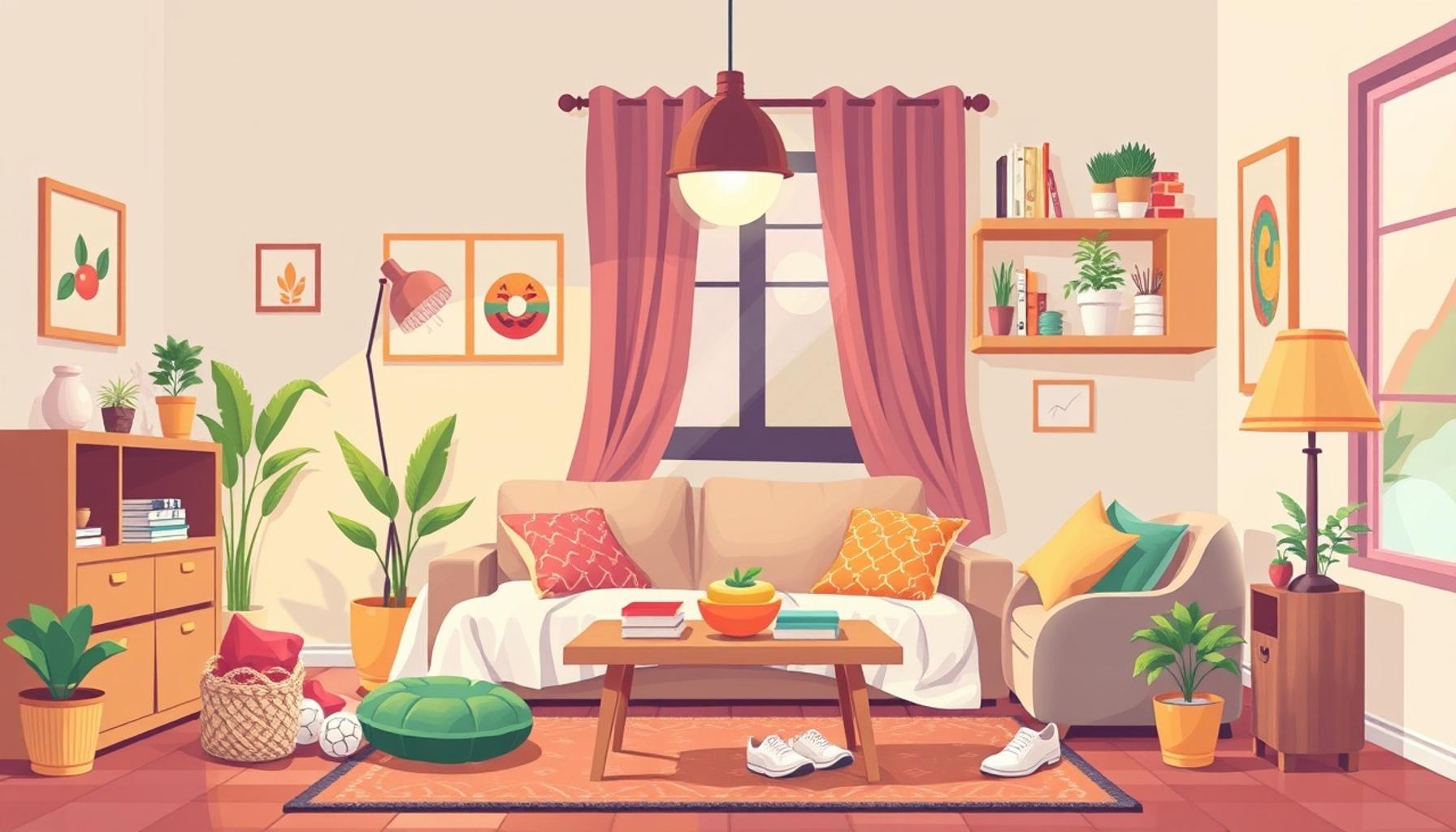
The Crucial Role of Home in Shaping Mental Health
In an era characterized by relentless pace and mounting pressures, mental well-being has emerged as a priority for many individuals. As anxiety and stress levels soar, people are increasingly on the lookout for effective coping strategies. One of the most significant, yet frequently underestimated, factors influencing mental health is the home environment.
The physical space we call home does not simply serve as a shelter; it profoundly impacts our emotional and psychological state. Various elements within our homes contribute to our feelings of happiness, safety, and peace. Consider the following aspects:
- Lighting: The presence of natural light in a living space can work wonders for our emotional health. Studies suggest that exposure to sunlight increases serotonin levels in the brain, leading to improved mood and a greater sense of well-being. On the contrary, insufficient lighting can contribute to feelings of lethargy and sadness. Simple changes, such as opening curtains or opting for warm-toned bulbs, can transform a dreary room into a cheerful sanctuary.
- Color Schemes: The colors surrounding us can greatly affect our emotional responses. For example, soft blues and greens are often associated with calmness and tranquility, making them ideal choices for bedrooms or relaxation areas. In contrast, reds and yellows can energize a space but may also evoke anxiety or agitation when overused. By strategically selecting colors that resonate positively, individuals can cultivate a more supportive ambiance.
- Organization: The state of our living spaces can reflect—and even influence—our mental state. A cluttered home can lead to distractions and heightened stress levels, while an organized space promotes clarity and calm. Research indicates that decluttering can significantly alleviate anxiety. Implementing organization systems, such as storage solutions or designated spaces for everyday items, can enhance both functionality and peace of mind.
Additionally, the arrangement of furniture and decor plays a pivotal role in the feelings associated with a space. Creating dedicated areas, such as a serene meditation corner or an inviting reading nook, invites peace and contemplation. These small retreats within the home provide essential moments of respite in an otherwise busy day, allowing individuals to recharge and reconnect with their inner selves.
As we delve deeper into the connection between our home environments and mental health, it becomes increasingly clear that even minor adjustments can lead to substantial improvements in our quality of life. By reevaluating and enhancing these elements within our homes, we not only foster an environment conducive to relaxation and well-being but also take significant strides toward managing stress and nurturing mental health effectively. Exploring options like indoor plants, utilizing aromatherapy, or reorganizing spaces can open doors to new potentials for tranquility and happiness within our living environments.
Transforming Your Space to Foster Peace of Mind
As we explore the profound impact of our home environments on mental health, it becomes evident that intentional design and thoughtful arrangements can cultivate a true sanctuary for well-being. In the pursuit of creating spaces that relieve stress and uplift spirits, several elements deserve special attention. These include personalization, nature integration, and sensory experiences, all of which can dramatically shift our emotional landscapes.
When we personalize our living spaces, we establish a sense of ownership that can enhance feelings of safety and attachment. Personalization can encompass a variety of aspects, such as:
- Artwork: Displaying art that resonates with your emotions or inspires joy can serve as a daily reminder of beauty and positivity. Studies have shown that engaging with art can reduce stress levels and promote feelings of well-being.
- Photos: Family photographs can evoke cherished memories, fostering a sense of connection and grounding. Creating a gallery wall with pictures can transform a blank space into a heartwarming tribute to loved ones.
- Mementos: Surrounding yourself with items that tell your unique story — whether it’s travel souvenirs, gifts from friends, or handmade crafts — not only enhances the character of your home but also nurtures a feeling of belonging.
Besides personalization, integrating nature into your home environment can improve mental health significantly. Numerous studies have found that biophilic design — a concept focused on connecting people with nature — can lead to lower stress levels, improved concentration, and even increased creativity. Here are some simple ways to introduce nature into your living space:
- Indoor Plants: Adding greenery, such as plants or even succulents, can improve air quality and elevate mood. Studies suggest that caring for plants can cultivate mindfulness and reduce feelings of anxiety.
- Natural Materials: Incorporating materials like wood, stone, or bamboo can bring warmth and a sense of tranquility to your space. These choices help create a tranquil atmosphere that resonates with the peacefulness of the outdoors.
- Natural Elements in Decor: Consider adding water features, nature-inspired artwork, or natural light through windows to enhance your connection with the environment.
Equally important are the sensory experiences that our homes can provide. The sight, sound, smell, and touch of our surroundings can profoundly affect our emotions and mental state. Here are ways to engage the senses in your home:
- Aromatherapy: Scents have a powerful ability to influence mood. Incorporating essential oils, scented candles, or incense can create a calming atmosphere. Lavender, chamomile, and ylang-ylang, in particular, are known for their tranquil qualities.
- Soundscapes: The background noise of a home can have a significant impact on our stress levels. Soft, soothing music or sound machines producing nature sounds can create a peaceful auditory backdrop for relaxation.
- Textiles: The textures in your home — from plush blankets to soft rugs — can greatly affect comfort levels. Opting for soft, tactile materials can enhance feelings of coziness and safety.
By thoughtfully curating these elements within your home, you can create a revitalizing environment that not only reduces stress but also promotes overall mental health. As we continue to rethink our living spaces, embracing these strategies can pave the way for a more serene and balanced life.
The Power of Color and Space Design
The colors we choose for our living spaces can have a profound impact on our mental health. For instance, soft hues like blues and greens have been shown to promote tranquility and reduce feelings of anxiety. In contrast, bright colors such as red and yellow can evoke energy but might lead to overstimulation if overused. Understanding the psychology of color can help individuals select shades that foster a sense of calm and relaxation.Moreover, the layout and design of a home play a crucial role in mental well-being. Open spaces can create a sense of freedom and enhance connectivity among family members, while cluttered environments may contribute to feelings of stress and unease. Incorporating elements like natural light through large windows and using sustainable materials can also boost mood, encouraging a sense of tranquility.
Natural Elements and Indoor Plants
Integrating nature into home environments can provide significant mental health benefits. Studies indicate that exposure to greenery can reduce depression and anxiety levels. Indoor plants not only purify the air but also introduce a sense of serenity. Consider placing low-maintenance options such as succulents or snake plants in your space to bring a touch of nature indoors. Additionally, creating a quiet nook in your home where you can engage in activities such as reading, meditating, or practicing yoga can enhance your overall mental state. Tuning into one’s own needs and designing spaces that cater to them is essential for fostering a peaceful home atmosphere.
Creating a Calming Atmosphere
In addition to color and nature, sound also impacts our mental well-being. Incorporating soft music or nature sounds through devices can help mask external noise and create a soothing atmosphere. A well-curated playlist for relaxation or mindful activities can set the stage for unwinding after a long day. The incorporation of aromatherapy, utilizing essential oils or scented candles, can profoundly influence mood and stress levels. Calming scents such as lavender or chamomile can promote relaxation, making your space feel inviting and serene. This combination of sound, scent, and design elements underscores the importance of intentional home environments, driving home the fact that your surroundings can significantly affect your mental health. As you explore these aspects of creating a calm space, remember that every small change can lead to a better overall atmosphere where you can thrive emotionally and mentally.
Creating Functional Spaces for Mindful Living
In addition to personalization, nature integration, and sensory experiences, another crucial aspect of fostering a calming home environment is the establishment of functional spaces that cater to various activities and mental states. These carefully designed areas can significantly enhance productivity, promote relaxation, and serve as retreats that encourage mindfulness.
One of the most effective ways to create functional spaces is by designating separate zones for different activities. This organizational strategy helps to signal to the mind that each area has a distinct purpose, which can alleviate feelings of overwhelm. Consider the following zones you might incorporate into your home:
- Relaxation Rooms: Dedicate a quiet corner for relaxation, complete with comfortable seating, calming decor, and soft lighting. Introducing elements like a small bookshelf filled with your favorite reads or a cozy nook with pillows can create an inviting retreat that encourages you to unwind.
- Creative Spaces: Whether it’s a home office, an art studio, or a crafting corner, establishing a creativity zone can stimulate your mind and provide an outlet for self-expression. A clutter-free, inspiring environment, filled with tools and materials you love, can enhance motivation and make creativity flow more freely.
- Mindfulness Spaces: Creating an area specifically for mindfulness practices such as yoga or meditation can greatly benefit mental health. A soothing mat, gentle lighting, and calming visuals, perhaps with an altar or inspirational quotes, can make this sanctuary an inviting space for reflection and tranquility.
Incorporating decluttering techniques into your home can also have a profound impact on mental health. Research indicates that clutter can contribute to feelings of anxiety and chaos. By adopting simple decluttering habits, you can promote a sense of control and clarity in your environment. To start, focus on:
- The Three-Box Method: As you declutter, use three boxes labeled “Keep,” “Donate,” and “Discard.” This system encourages deliberation regarding what truly belongs in your space.
- One In, One Out Rule: To prevent accumulation, commit to removing one item for every new item you bring into your home. This rule transforms your purchasing habits and keeps clutter at bay.
- Regular Maintenance: Schedule regular decluttering sessions, ideally monthly, to ensure your space remains functional and organized, preventing stress from a chaotic environment.
The integration of technology can also enhance the peacefulness of your home. Smart home devices that manage lighting, temperature, and sound can create a serene environment at the touch of a button. Consider investing in:
- Smart Lighting: Adjustable lighting options allow you to create a calming atmosphere, from bright and energizing during the day to dim and soothing in the evening.
- Temperature Control: Smart thermostats ensure your home is always at a comfortable temperature, which can significantly influence mood and well-being.
- Sound Systems: Wireless speakers can fill your space with soft music or nature sounds, creating a harmonious backdrop that promotes relaxation and focus.
Finally, it’s essential to recognize the impact of accessibility in your home. Ensuring that your living spaces are easy to navigate and clutter-free can foster a feeling of ease and security. For instance, arranging furniture to allow for smooth movement and prioritizing clear pathways can greatly enhance the experience of being at home.
By establishing functional spaces and employing smart organization practices, you can craft a home environment that actively supports your mental health. Embracing these principles transforms your dwelling into a nurturing oasis that inspires tranquility, creativity, and mindfulness in your daily life.
Conclusion
The importance of a nurturing home environment on mental health cannot be overstated. As we have explored, transforming your living space into a sanctuary of calm and creativity can significantly impact your overall well-being. By embracing elements such as functional spaces, decluttering techniques, and technology integration, you can foster an atmosphere that actively alleviates stress and promotes mindfulness.
It’s essential to recognize that the way we organize and personalize our homes sends powerful signals to our minds. The creation of designated zones for relaxation, creativity, and mindfulness not only helps manage daily activities, but also enhances focus, creativity, and emotional health. Furthermore, incorporating natural elements and a sensory-rich environment can uplift your mood and inspire tranquility amidst chaos.
As individuals increasingly strive for mental wellness in today’s fast-paced world, investing in an intentional home environment becomes a crucial step. Research supports the notion that a clutter-free, aesthetically pleasing space can diminish anxiety and encourage positive mental states. Therefore, taking the time to curate your home with purpose can lead to profound improvements in mental clarity and emotional resilience.
For those seeking to delve deeper into this intersection of living space and mental health, consider adopting small changes over time that resonate with you. Whether it’s integrating technology for enhanced automation or simply arranging your furniture to prioritize comfort and flow, each step contributes to creating a space of calm. Remember, your home is not just a place to reside; it is a vital component of your mental health journey.