The Relationship Between Alcohol Consumption and Sleep: What You Need to Know for Efficient Rest
The Complex Relationship Between Alcohol and Sleep
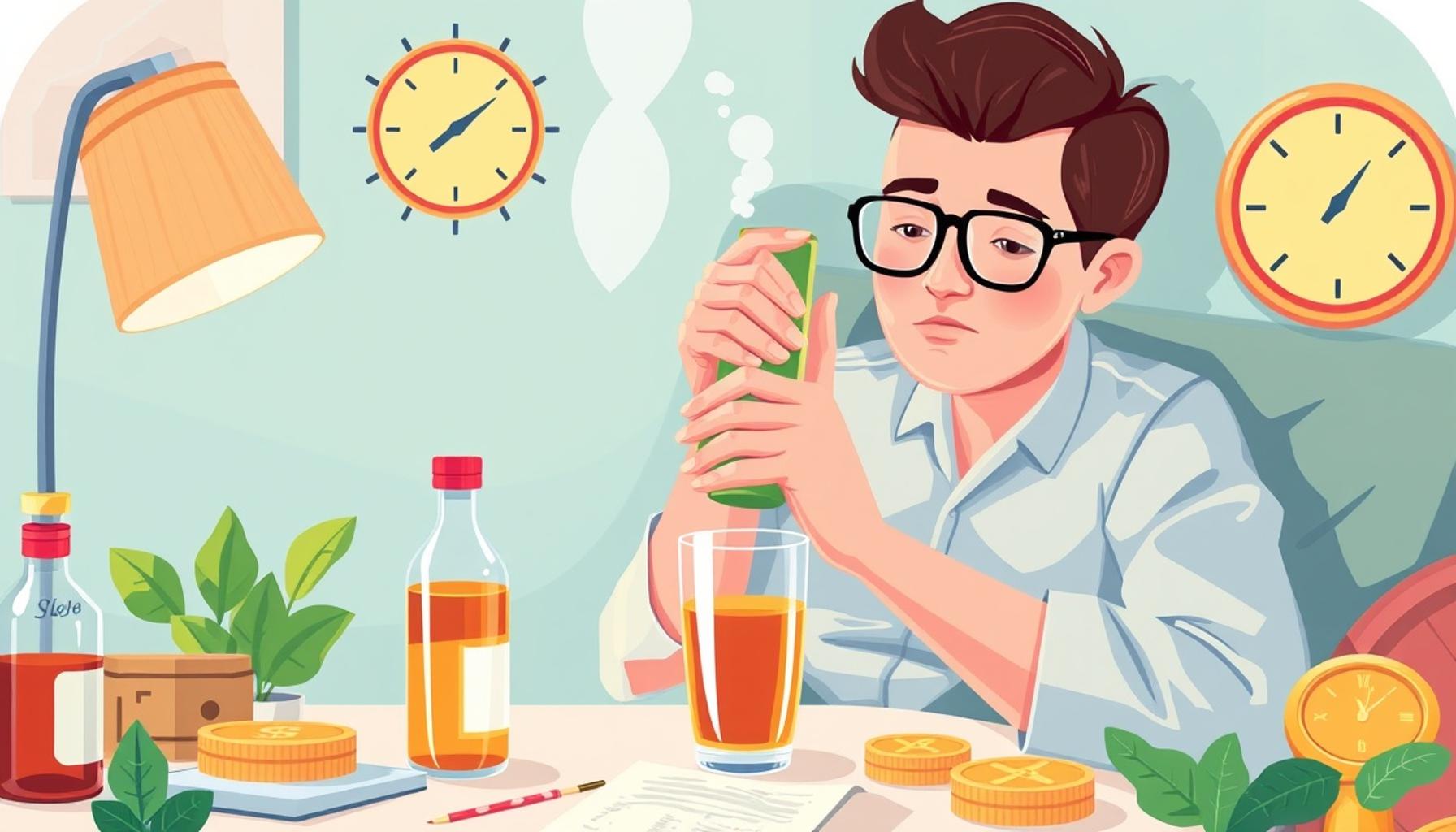
Many individuals turn to alcohol as a means to relax after a long day, but the implications for sleep quality are often underestimated. While a drink may initially prompt a sense of drowsiness, the subsequent effects on sleep architecture can significantly impact restorative rest.
To fully comprehend the impact of alcohol on sleep, it’s important to consider several essential factors:
- Alcohol’s sedative properties: Initially, alcohol serves as a central nervous system depressant that helps induce sleep. This may seem beneficial, but it can ultimately disrupt vital sleep stages, particularly REM sleep, which is critical for cognitive functions and emotional regulation.
- Increased awakenings: Despite aiding in falling asleep, alcohol consumption is known to cause more frequent awakenings throughout the night. This fragmentation can prevent individuals from reaching deeper, more restful sleep stages leading to grogginess and irritability upon waking.
- Exacerbation of sleep apnea: For some, particularly those with pre-existing sleep disorders, alcohol can worsen conditions like sleep apnea. This disorder, characterized by interrupted breathing during sleep, is intensified by the muscle relaxant effects of alcohol, potentially leading to increased disturbances and oxygen deprivation.
Recent statistics paint a troubling picture in the United States: a notable percentage of adults report relying on alcohol as a sleep aid. According to the National Institute on Alcohol Abuse and Alcoholism (NIAAA), approximately 17 million adults have an alcohol use disorder, many of whom may unknowingly compromise their sleep quality by self-medicating with alcohol.
This link between drinking and sleep is not merely anecdotal; scientific evidence underscores the necessity for greater public awareness. Several studies indicate that while alcohol might help certain individuals fall asleep faster, the long-term implications, including insomnia and dependency, are less understood.
As we investigate further, it becomes imperative to sift through the facts and myths surrounding alcohol and sleep. Understanding these dynamics can empower individuals to make informed choices about their health, particularly concerning efficient and restorative rest. As we explore the science behind this relationship, we invite you to reflect on your own habits and consider the real impacts on your overall well-being.
Understanding Alcohol’s Short-Term Impact on Sleep
Alcohol consumption is often perceived as a helpful tool for achieving a peaceful night’s sleep, but the reality is much more complex. While it can indeed lead to easier initiation of sleep, the short-term effects of alcohol on sleep quality reveal some unsettling truths. Many people may not realize that the benefits are fleeting and come at a significant cost to their overall sleep health.
When examining how alcohol affects sleep, it is crucial to understand the various stages of sleep it compromises. Sleep is categorized into several stages, including REM (Rapid Eye Movement) sleep and non-REM sleep, which play unique roles in physical restoration and mental clarity. Studies have shown that even a moderate amount of alcohol can reduce the amount of time spent in REM sleep, even though it may help an individual fall asleep faster.
Here are some essential points to consider regarding the immediate influence of alcohol on sleep:
- Delayed Sleep Onset: While alcohol may make one feel sleepy, it can paradoxically delay the onset of restorative sleep. It often causes individuals to wake during the night, reducing overall sleep efficiency.
- Interruptions in Sleep Cycles: After the initial sedative effects wear off, alcohol can disrupt sleep cycles. This disruption often leads to interruption in both REM and deep sleep stages, vital for memory consolidation and physical recovery.
- Variability in Effects: Individual responses to alcohol vary widely; factors like age, body weight, and tolerance levels significantly influence how alcohol impacts sleep. What might induce sleep in one person could lead to restlessness in another.
The American Academy of Sleep Medicine highlights that while some individuals report falling asleep faster after drinking, the resultant sleep quality is markedly impaired. A 2019 study conducted by researchers at the University of Massachusetts Amherst found that participants reported lower sleep quality even after drinking less than four ounces of alcohol. This calls into question the long-term effectiveness of using alcohol as a sleep aid.
Significantly, long-term alcohol consumption to “solve” sleep issues can lead to a cycle of dependency. The body can develop tolerance, leading individuals to consume larger quantities to achieve the same sedative effects. As this cycle continues, it can create a reliance on alcohol, exacerbating sleep-related problems and undermining overall well-being.
As we delve deeper into the intricate relationship between alcohol consumption and sleep, it becomes essential to recognize that while alcohol may facilitate a temporary escape from stress and anxiety, the long-term consequences can be detrimental to sleep health. Understanding these dynamics empowers individuals to make informed choices, ultimately leading towards achieving more efficient rest.
The Relationship Between Alcohol Consumption and Sleep: What You Need to Know for Efficient Rest
As we delve deeper into the complex interaction between alcohol and sleep, it’s vital to recognize how alcohol impacts sleep architecture. Research suggests that alcohol may initially induce sleep, but its effects can drastically alter sleep patterns. For instance, alcohol can decrease the ratio of rapid eye movement (REM) sleep, which is crucial for emotional regulation and cognitive functions. Understanding these dynamics can illuminate why some individuals experience disrupted sleep cycles when consuming alcohol, especially in the hours leading up to bedtime.In terms of volume, moderate alcohol intake is often defined as one drink a day for women and up to two drinks a day for men. However, even this level of consumption can still affect sleep quality. It is important to scrutinize individual reactions to alcohol as they can vary widely, influenced by factors such as age, overall health, and personal tolerance levels. Some studies indicate that while alcohol can shorten the time it takes to fall asleep, it ultimately leads to more awakenings during the night, thereby compromising overall sleep quality. In light of this information, those seeking restful sleep may consider evaluating their alcohol consumption as part of their nightly routine. Simple adjustments, such as limiting intake to earlier hours or substituting with non-alcoholic alternatives later in the evening, could yield substantial benefits.Moreover, chronic alcohol consumption is linked to long-term sleep disorders. People who routinely use alcohol as a sleep aid may develop a dependency, leading to heightened obstacles when attempting to maintain a healthy sleep pattern. This cyclical issue of reliance on alcohol not only damages sleep but also creates a myriad of health concerns, including increased risk for sleep apnea and other sleep-related disorders.To better understand these connections, a close examination of the effects of different types of alcoholic beverages on sleep may yield important insights. For example, beverages with higher sugar content might exacerbate sleep disturbances more than those with lower sugar levels. Thus, the type of alcohol consumed can play a significant role in sleep quality.It’s evident that the relationship between alcohol consumption and sleep is multi-faceted and deserves further exploration. By addressing consumption habits, individuals can take proactive steps towards achieving improved rest and overall well-being.
| Category | Details |
|---|---|
| Effects on Sleep Architecture | Alters REM sleep which is essential for recovery. |
| Long-term Consequences | Can lead to chronic insomnia and dependency issues. |
By understanding these key aspects, readers can take informed steps towards improving their sleep and mitigating the negative effects of alcohol consumption.
The Long-Term Consequences of Alcohol on Sleep Patterns
As we continue to explore the relationship between alcohol consumption and sleep, it becomes evident that the implications of alcohol use extend far beyond the immediate effects on sleep quality. Understanding these long-term consequences is vital for anyone seeking to cultivate healthier sleep practices.
One of the most alarming facets of persistent alcohol use is its impact on sleep architecture. Continuous consumption over weeks, months, or even years can lead to chronic sleep disturbances, significantly increasing the risk of developing long-term sleep disorders such as insomnia or sleep apnea. A study from the National Sleep Foundation reveals that individuals who frequently consume alcohol, especially in the evening, are more likely to report sleep irregularities compared to their teetotaling counterparts.
Furthermore, as tolerance builds in frequent drinkers, not only do they require greater amounts of alcohol to achieve the same effects, but their overall sleep cycle may become increasingly erratic. This can lead to a condition known as REM rebound, where the body attempts to compensate for reduced REM sleep by experiencing prolonged REM periods during sober nights. This phenomenon can result in vivid dreams or nightmares, which may further disrupt sleep and contribute to feelings of exhaustion or anxiety during the day.
Additionally, research indicates a correlation between long-term alcohol use and an increased prevalence of psychiatric disorders, such as anxiety and depression. These mental health challenges can compound sleep difficulties, as individuals may use alcohol as a coping mechanism, creating a vicious cycle. The CDC’s National Health Statistics Reports show that about 30% of adults reported symptoms of anxiety disorders, many of whom acknowledged alcohol as a method to self-medicate and alleviate stress, only to find increased levels of insomnia or disturbed sleep patterns as a consequence.
Moreover, alcohol does not just alter the brain’s neurotransmitter balance, but it can also impact the body’s overall health and wellness. Studies have linked chronic alcohol consumption to a heightened risk of cardiovascular issues and metabolic dysfunction, both of which can have debilitating effects on sleep quality. Heart rate variability and blood pressure often fluctuate significantly in individuals with high alcohol intake, negatively influencing restorative sleep. According to the American Heart Association, optimal sleep is essential for cardiovascular health, thus emphasizing the intricate ties between sleep, alcohol consumption, and overall health.
The environment in which alcohol is consumed can also exacerbate these issues. Social drinking settings, often featuring loud noises and stimulating conversations, can hinder sleep recovery even after alcohol has been metabolized. This creates an additional barrier to achieving restful slumber, showing that it is not just the substance but also the context of its consumption that matters.
When evaluating the relationship between alcohol consumption and sleep, it is crucial to consider the multifaceted nature of this dynamic. While the sedative effects may offer temporary relief, the long-term implications are often fraught with complications that compromise both sleep quality and overall health. By understanding these correlations, individuals may be better equipped to make choices that promote efficient rest and a healthier lifestyle.
Final Thoughts on Alcohol and Sleep Quality
In summary, the nuanced relationship between alcohol consumption and sleep quality reveals a complex interplay that warrants careful consideration. While some may find that a drink helps them unwind at the end of the day, the evidence suggests that this short-term reprieve can lead to long-term consequences that significantly undermine healthier sleep patterns. The tendency of alcohol to disrupt sleep architecture, influence REM cycles, and contribute to conditions like insomnia and sleep apnea cannot be overlooked. Furthermore, the cyclical nature of stress, anxiety, and alcohol use presents an alarming reality for many Americans seeking solace in a temporary escape.
As we delve deeper into this topic, it becomes increasingly clear that fostering a better understanding of one’s relationship with alcohol can lead to enhanced well-being. Individuals struggling with sleep disturbances should consider reevaluating their drinking habits, perhaps taking a break or moderating consumption to assess the effects on their sleep quality. Additionally, incorporating healthier coping mechanisms, such as regular exercise or mindfulness practices, can provide more sustainable solutions to sleep issues.
Furthermore, it is essential to acknowledge how social contexts and lifestyle choices impact both alcohol consumption and sleep. By creating a conducive environment for rest—be it through reduced noise levels or setting a calming nighttime routine—one can significantly improve sleep outcomes. Ultimately, by prioritizing both efficient rest and mindful drinking practices, individuals can cultivate a healthier lifestyle that supports overall well-being. Discovering this delicate balance is key to achieving restorative sleep and enhancing one’s quality of life.