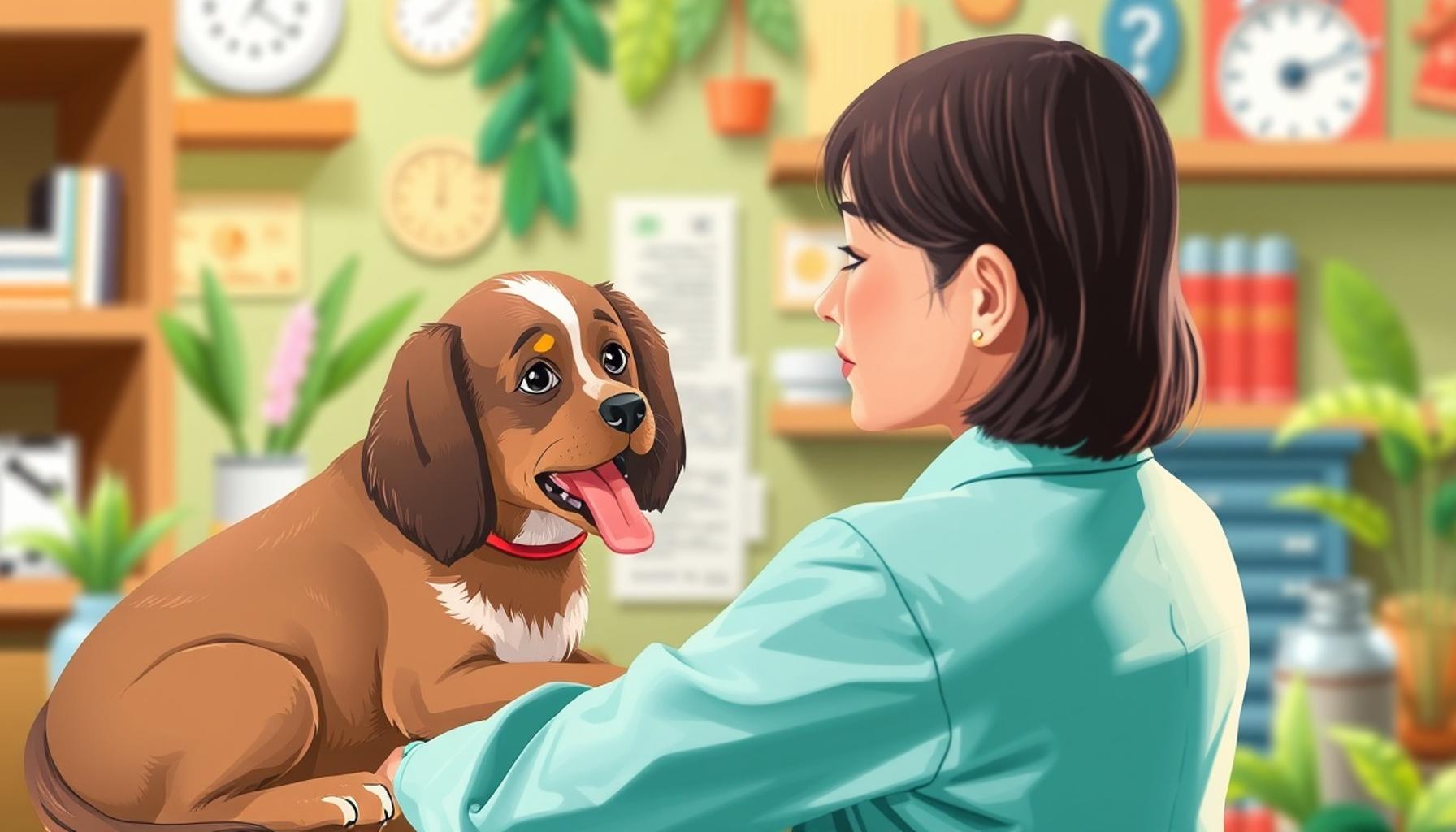
The Role of Adoption Organizations in Promoting Animal Welfare

The Role of Adoption Organizations in Animal Welfare
A significant number of animals in the United States face the harsh realities of homelessness and neglect. As a result, adoption organizations play an essential role in promoting animal welfare and reshaping the lives of countless furry companions. These dedicated organizations not only provide a safe haven for abandoned and abused animals but also advocate for responsible pet ownership through various community programs. Their multifaceted approach is vital in addressing the ongoing pet overpopulation crisis and ensuring that every animal has a chance at a better life.
Key functions of these organizations include:
- Rescue and Rehabilitation: Adoption organizations rescue animals from high-kill shelters, abusive homes, or dangerous situations, providing them with necessary medical care and emotional support. For instance, many organizations have dedicated funds for veterinary services to treat illnesses or injuries, and they often foster animals in loving family environments where they can heal physically and psychologically before being placed for adoption. This holistic approach helps animals become more adoptable and allows them to thrive in a home setting.
- Public Education: Through community outreach programs, adoption organizations play an integral role in spreading awareness about the importance of spaying and neutering pets, thus reducing the number of abandoned animals. They often host workshops and seminars aimed at educating the public about responsible pet ownership, the benefits of adopting over purchasing pets from breeders, and the pressing issue of pet overpopulation. Some organizations even partner with local schools to instill a sense of compassion and responsibility towards animals in young minds.
- Facilitating Adoptions: These organizations diligently work to match pets with suitable families, ensuring a loving home environment for each animal. They evaluate prospective adopters through interviews and home checks and often provide guidance on pet care to ensure a smooth transition for both the animal and the new family. For example, many organizations have online portals where potential adopters can view available animals, read their profiles, and learn about their personalities and needs.
Moreover, adoption organizations often act as a bridge between the public and various animal welfare initiatives. They promote awareness about pressing issues, such as overpopulation, abuse, and the need for sustainable community practices. By collaborating with local governments, veterinarians, and volunteer networks, these organizations can effectively address the challenges faced by abandoned animals and bring about significant change in animal welfare. The collective effort of kind-hearted individuals and these organizations has the potential to create lasting reform in how communities treat and care for their animal companions.
As you explore the impactful endeavors of these organizations, consider how you can support their mission to protect and promote animal welfare. Volunteering, fostering animals, or simply spreading the word about the importance of adoption are all valuable contributions. Each effort, no matter how small, is a step towards creating a more compassionate world for animals in need, underscoring that the well-being of these creatures often relies on the goodwill of the larger community.
A Lifeline for Stray and Abandoned Animals
In a world where thousands of animals find themselves lost or abandoned each year, adoption organizations stand as a crucial lifeline, providing not only shelter but also a second chance at life. These organizations are often at the forefront of rescue efforts, navigating complex legal and emotional landscapes to bring these vulnerable creatures into safe environments. According to the American Society for the Prevention of Cruelty to Animals (ASPCA), approximately 3.3 million dogs and 3.2 million cats enter U.S. animal shelters every year, highlighting the immense work adoption organizations face daily. Their efforts in rescuing and rehabilitating these animals cannot be overstated.

A Multifaceted Approach to Rescue
Adoption organizations employ a multifaceted approach towards their mission, which includes a strong emphasis on rescue and rehabilitation. When animals are rescued from high-kill shelters or abusive situations, the journey to recovery begins almost immediately. These organizations often collaborate with veterinarians and animal behaviorists to ensure each animal receives the medical attention and behavioral support they require. For many shelters, this means offering vaccinations, spaying or neutering, and other essential health services, often funded through donations and community support. This proactive health care not only saves lives but also prepares animals for successful adoptions.
- Fostering Programs: Many organizations rely on a network of foster homes to temporarily shelter animals before they find their forever homes. Fostering allows animals to live in family settings, which can significantly improve their social skills and adaptability. It also frees up space in shelters, enabling organizations to rescue more animals in need.
- Community Outreach: Organizations frequently engage in community outreach to raise awareness about their services. This includes hosting local events, such as adoption drives, and collaborating with other nonprofit organizations, schools, and community centers to promote responsible pet ownership.
- Social Media Engagement: In an age where technology plays a vital role in communication, many organizations leverage social media platforms to share rescue stories, promote available adoptable animals, and foster a community of support and awareness. This engagement helps create a strong public image and draws attention to the critical issue of pet overpopulation.
Moreover, by integrating adoption programs with community education initiatives, these organizations not only save animals but also educate the public. This education is vital as it instills a sense of empathy and responsibility toward animal welfare. Working with local schools to provide lessons on kindness to animals is just one way these organizations create a ripple effect of awareness in society.
As the role of adoption organizations continues to evolve, their commitment to addressing the ongoing challenges of animal homelessness and neglect remains steadfast. By rescuing, rehabilitating, and ultimately rehoming animals, they provide hope and safety to those who have suffered the consequences of human actions, reminding us all of the profound impact we can have on the lives of our four-legged friends.
| Advantage | Details |
|---|---|
| Increased Awareness | Adoption organizations raise awareness about animal welfare issues, helping the public understand the importance of adopting rather than shopping for pets. |
| Community Engagement | They foster community engagement through events, making animal welfare a shared responsibility and encouraging collective action. |
| Support for Legislative Changes | Many organizations also advocate for legislation that protects animal rights, influencing policy changes at local and national levels. |
| Resource for Information | They serve as a critical resource for potential pet owners about responsible pet ownership and the benefits of adopting. |
The role of adoption organizations is not just limited to connecting pets with families; they drive *meaningful societal change* in animal welfare narratives, making a significant impact in various communities across the globe. Through their comprehensive outreach efforts, these organizations illuminate the challenges many animals face, while pushing forward the idea of adoption as a viable and responsible choice. Whether it’s through educating potential pet owners or championing legislative reforms, their multifaceted approach ensures that animal welfare remains a prominent issue. Consider delving deeper into the innovative programs and strategies that these organizations implement to create lasting change, fostering a future where every animal has a loving home.
Building a Bridge Between Animals and Their Forever Homes
In addition to rescue and rehabilitation, adoption organizations play a vital role in facilitating the adoption process and building lasting relationships between animals and potential adopters. This distinctive work is crucial for both animal welfare and community engagement. By employing knowledgeable staff and volunteers who guide adopters through the entire process, these organizations ensure that every match is a lasting one, reducing the risk of returned pets due to incompatibility.
Personalized Adoption Programs
One of the key features of successful adoption organizations is their commitment to personalized adoption programs. Every animal has its unique temperament and needs, and organizations recognize the importance of pairing them with adopters who can meet those requirements. From the initial meet-and-greet to comprehensive adoption counseling, these organizations take the time to understand both the animal’s personality and the potential adopter’s lifestyle. This thorough approach minimizes misadventures after adoption and increases the chances of a successful, long-term partnership.
- Behavior Assessments: Adoption organizations often conduct behavior assessments, allowing them to appropriately evaluate an animal’s temperament. Such assessments help identify the most suitable homes for dogs and cats, steering potential adopters towards animals that will fit harmoniously into their daily lives.
- Post-Adoption Support: Recognizing that the first few weeks in a new home can be particularly challenging, many organizations offer post-adoption support. This may include training resources, follow-up check-ins, or access to behavioral specialists. By ensuring that both animal and owner have the tools needed to adjust, these programs contribute to higher adoption success rates.
- Networking with Pet-Friendly Housing: To combat the barriers that often prevent adoptions, some organizations work with local housing authorities and landlords to promote pet-friendly living environments. Navigating housing policies related to pets can be daunting for potential adopters, and these efforts help remove one of the significant obstacles to responsible pet ownership.
Promoting Responsible Pet Ownership
Another crucial area where adoption organizations excel is in promoting responsible pet ownership, extending their impact beyond merely matching animals with families. Through workshops, educational materials, and community events, they champion the message of responsible care, highlighting the long-term commitment that comes with pet adoption.
Many organizations organize spay and neuter clinics, providing affordable services to combat pet overpopulation—a significant concern in many communities. By facilitating these services, they play a direct role in reducing the number of strays and abandoned animals. In fact, according to the Humane Society, spaying or neutering a pet can significantly decrease the likelihood of unwanted litters, thus contributing to the overall welfare of communities and reducing the burden on animal shelters.
As adoption organizations forge partnerships with local veterinarians, they not only ensure affordable care for their animals but also help establish networks that benefit the wider community. These collaborations are critical for fostering a culture of responsibility among pet owners, which is an essential component in promoting animal welfare collectively.
In essence, through their tireless work and community engagement efforts, adoption organizations are not just saving lives; they are actively shaping a society that values and prioritizes the welfare of animals. Their multifaceted approach to the challenges of homelessness and neglect resonates with a broader goal—the creation of harmonious relationships between humans and their pets, enriching both lives in the process.
Conclusion: A Unified Effort for Animal Welfare
In conclusion, adoption organizations serve as invaluable hubs for animal welfare, bridging the gap between abandoned or neglected animals and families eager to provide love and care. Through their multifaceted programs, these organizations not only facilitate successful adoptions but also emphasize the importance of responsible pet ownership and community involvement. Their commitment to personalized adoption processes ensures that animals are matched with suitable homes, which ultimately reduces the rates of pet returns and enhances the overall well-being of both pets and their owners.
Moreover, their proactive initiatives, such as spay and neuter clinics, educational workshops, and post-adoption support, address the underlying issues of pet overpopulation and animal neglect. By fostering partnerships with local veterinarians and housing authorities, adoption organizations enhance the quality of life for animals while empowering communities to adopt responsible practices. The ripple effect of their efforts extends far beyond individual adoptions, promoting a culture that values and prioritizes animal welfare as a societal norm.
As we continue to champion these vital organizations, it becomes clear that their work is not merely about providing temporary homes for pets; it is about creating lasting relationships and instilling a sense of shared responsibility among all pet owners. By supporting adoption organizations, we can collectively contribute to a brighter, more compassionate future for animals, ensuring that every creature finds its forever home in an environment that nurtures and values its welfare.