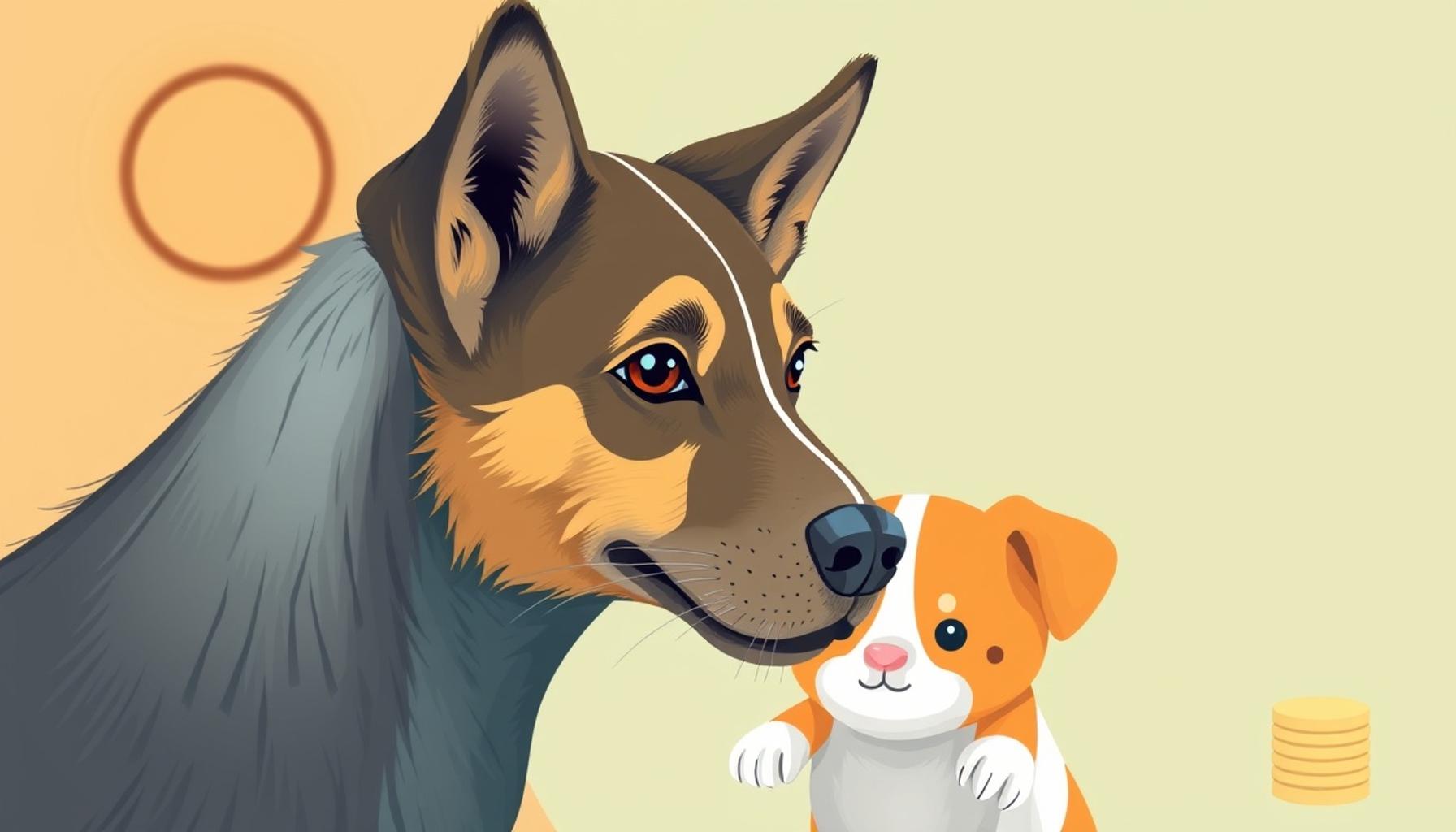
The Role of Socialization in Effective Puppy Behavioral Training

Unleashing the Power of Socialization
Puppy training is a multifaceted process that goes well beyond simply teaching commands; it’s an essential journey that influences a dog’s behavior for its entire life. One of the most critical components of effective puppy behavioral training is socialization, which involves methodically exposing your puppy to a variety of environments, people, and other animals. This foundational step is key in preventing behavioral problems and nurturing a well-adjusted canine companion who can thrive in any situation.
Why Socialization Matters
Socialization entails more than just exposure; it’s about fostering growth and adaptability in your puppy. This process allows your puppy to:
- Develop confidence in various situations: Puppies that are socialized early on learn to navigate different scenarios, reducing fearfulness. For example, a puppy that roams through busy streets or finds itself in a bustling pet store will learn that these environments are not threatening.
- Understand acceptable behavior with others: Interactions with various people and pets help your puppy learn how to communicate properly, reducing the chances of aggressive or fearful behavior later on. Positive experiences during these interactions will teach your puppy important social cues.
- Build strong bonds with humans and other pets: Regular socialization promotes trust and affection between your puppy and its family, as well as with other canine companions. A well-socialized dog is more likely to feel secure and less anxious.
Moreover, puppies that lack socialization are often predisposed to anxiety and aggression, making them less enjoyable companions. The long-term benefits of a well-socialized pet can include better adaptability to new experiences and a significantly more harmonious relationship with both humans and other animals.
Key Socialization Strategies
To enrich your puppy’s learning and socialization journey, consider employing the following strategies:
- Introduce them to a variety of people: Ensure your puppy encounters individuals of all ages, including children, seniors, and individuals with disabilities. Each interaction offers a unique learning opportunity and helps the puppy understand diverse behaviors and stimuli.
- Expose them to different environments: Visits to parks, busy streets, pet-friendly stores, or even places like outdoor cafes can open up a world of experiences for your puppy. Each new environment provides a context for learning about different sights, sounds, and smells.
- Engage with other dogs in controlled settings: Puppy classes and playdates are excellent environments for socializing. These settings are facilitated, allowing for safer interaction with other dogs, which is essential for teaching proper play behavior and boundaries.
Integrating socialization into your training regimen paves the path for raising a happy, well-behaved dog. By understanding the profound role of socialization in a puppy’s life, you set the stage for a lifetime of positive experiences and behaviors that enrich both the dog’s and owners’ lives.

The Foundation of a Well-Balanced Puppy
Understanding the role of socialization in effective puppy behavioral training is akin to laying the groundwork for an architectural masterpiece. Just as a building requires a solid foundation, puppies benefit immensely from early and varied social interactions that shape their future behaviors. The early weeks and months of a puppy’s life are a crucial period when they are highly receptive to new experiences, making it essential to seize this window of opportunity.
Impact of Early Socialization
The implications of early socialization extend far beyond mere friendliness. Research indicates that puppies who receive proper socialization are less likely to develop behavioral problems as adults. For instance, a study published in the Journal of Veterinary Behavior shows that lack of socialization during the critical period can lead to increased levels of fear and aggression later in life. The benefits of socialization are profound and multidimensional:
- Reduction of Fear Responses: Exposure to various sights, sounds, and experiences helps demystify the world for your puppy. This means reduced fear of sudden noises, unfamiliar people, or other dogs. A well-socialized puppy grows into a confident adult, less likely to react with anxiety.
- Enhanced Learning Ability: Socialized puppies are typically more amenable to training. Since they are already accustomed to navigating diverse stimuli, they are more willing to engage during training sessions, making the learning process smoother and more enjoyable.
- Better Adaptation to New Environments: Puppies that have been socialized will adapt more easily to changes, whether it’s a new home, a car ride, or an outing to a dog park. This flexibility reduces stress for both the dog and the owner, ensuring a harmonious living environment.
A significant factor in the success of puppy socialization is the timing; experts recommend socializing your puppy between the ages of 3 to 14 weeks. During this formative period, the puppy’s brain is primed to absorb information and experiences like a sponge. Engaging them in a variety of social contexts during this time lays the groundwork for well-rounded behavior.
The Dangers of Insufficient Socialization
Conversely, puppies that miss out on proper socialization often face a myriad of challenges that can impact their quality of life and their bond with owners. Insufficient socialization is frequently linked to:
- Heightened Anxiety: Dogs that lack exposure to diverse stimuli may become anxious in unfamiliar situations, leading them to react defensively or aggressively.
- Social Miscommunication: Insufficient interaction with other dogs can lead to misunderstandings in play behavior, resulting in inappropriate reactions and potential fights.
- Behavioral Issues: Unwanted behaviors such as barking, chewing, or aggressive behavior often stem from insecurity and fear—direct consequences of a lack of early socialization.
In essence, comprehensive socialization is not just about forming a friendly puppy; it is about crafting a confident, secure, and adaptable companion. Recognizing the profound influence of socialization during these early stages can pave the way for a bright future and significantly enhance the bond between you and your furry friend.
The Role of Socialization in Effective Puppy Behavioral Training
Socialization is a crucial aspect of puppy training that fosters proper behavior in dogs. It lays the groundwork for how pets interact not only with humans, but also with their environment. Early exposure to various stimuli—including sounds, sights, and different people—helps puppies develop a balanced personality, minimizing anxieties that may otherwise lead to behavioral issues.
Importance of socializing puppies cannot be overstated. When puppies participate in controlled socialization experiences, they learn essential skills such as bite inhibition and appropriate play behavior. This equips them to handle conflicting situations with ease, preventing future aggression or fear when encountering unfamiliar surroundings or beings.
Additionally, positive reinforcement during socialization sets the precedent for good behavior. For example, rewarding puppies with treats or praise while they explore new environments encourages them to remain confident and engaged, rather than defensive or fearful. Through this training method, puppies not only learn what is acceptable behavior but also receive early lessons on how to enjoy and relish their new world.
Understanding the socialization window—typically between 3 to 14 weeks of age—is an essential part of ensuring effective puppy training. During this time, a puppy is most receptive to new experiences, which can significantly impact its temperament in adulthood. Thus, the responsibility lies with owners to facilitate structured socialization experiences, whether through puppy classes, playdates with other dogs, or visits to different settings.
| Socialization Benefits | Key Characteristics |
|---|---|
| Confidence Building | Exposure to various stimuli leads to a more confident dog. |
| Enhanced Behavioral Skills | Teaches bite inhibition and appropriate play methods. |
To further solidify the foundations of effective puppy behavioral training, it is important that pet owners continuously engage their dogs in social activities even after the initial socialization period. Maintaining a relationship that encourages ongoing interactions can significantly reduce the likelihood of behavioral problems as the puppy grows into adulthood.
Building Lifelong Skills Through Play and Interaction
Socialization isn’t solely about exposure to different environments; it also encompasses engaging your puppy in various forms of play and interaction with other dogs and people. The essence of socialization lies in experiences that not just mitigate risks of behavioral issues but also develop essential life skills that serve as building blocks for their futures as well-adjusted companions.
The Role of Positive Experiences
Every encounter a puppy has during socialization can lead to positive or negative associations. By fostering positive experiences, owners instill a sense of security and joy that is vital for effective behavioral training. Additionally, positive reinforcement techniques can be seamlessly integrated into socialization exercises. For example, during a playdate with another well-behaved dog, owners can employ treats to reward good behavior, reinforcing social skills and contributing to a well-mannered adult dog.
- Play Dates: Arranging play dates with dogs of various sizes, breeds, and temperaments encourages healthy play behavior. This exposure allows puppies to learn appropriate social cues, building their confidence to navigate future interactions with other dogs.
- Group Classes: Puppy training classes provide structured environments where multiple socialization elements are present. These classes often incorporate agility equipment, tasks, and distractions that challenge a puppy’s focus while allowing them to learn alongside their peers.
- Obedience Training in Social Settings: Taking the skills learned at home into public spaces not only reinforces commands but also helps puppies learn to handle distractions. Practicing “sit,” “stay,” and “come” in the presence of other dogs and people enhances their response reliability, which is essential in real-life situations.
The Importance of Handling and Desensitization
Another critical component of a puppy’s socialization process involves desensitization to handling. This is often overlooked but is crucial for fostering a puppy that is calm during vet visits, grooming, and other necessary life experiences. Involving puppies in various handling situations—such as touching their paws, ears, and tails—encourages them to feel comfortable with human interaction. Conditioning them to accept handling through gentle, positive exposure contributes to a dog that easily cooperates during medical checks or grooming appointments.
Furthermore, introducing a puppy to various environments—such as parks, bustling urban areas, or quiet neighborhoods—empowers them with adaptability. It allows your furry friend to become acquainted with different scents, sounds, and experiences, which can significantly reduce anxiety in new or overwhelming situations.
Monitor and Adjust Socialization Strategies
Each puppy is unique, and their socialization journey shouldn’t follow a one-size-fits-all model. Monitoring their responses helps tailor socialization strategies to the puppy’s specific needs. For instance, if a puppy seems overwhelmed during a particular interaction, it might be necessary to adjust exposure levels or introduce calming techniques such as clicker training or positive reinforcement.
Employing a variety of socialization techniques not only enhances the emotional wellness of the puppy but also fortifies the bond between pet and owner. Owners who are invested in their puppy’s social development set the stage for a fulfilling relationship built on trust and understanding.
Conclusion: Embracing Socialization for a Well-Behaved Companion
In summary, the journey of effective puppy behavioral training is deeply intertwined with the process of socialization. As we have explored, exposing your puppy to varied environments, play experiences, and handling situations not only fosters adaptability but also instills crucial life skills that pave the way for a well-adjusted adult dog. From the moment a puppy enters your home, their socialization experiences will shape their responses to different circumstances and interactions.
The significance of positive experiences cannot be overstated; they lay the foundation for trust and emotional stability. Utilizing positive reinforcement during playdates and training sessions helps establish a harmonious bond between the puppy and owner while encouraging desirable behaviors. Moreover, the practice of desensitizing puppies to handling and unknown stimuli equips them to face life’s challenges with confidence and poise.
It is important to remember that each puppy is unique, requiring a tailored approach to socialization that aligns with their individual needs and personalities. By diligently monitoring their reactions and adjusting strategies accordingly, owners can ensure a successful socialization period that leads to a resilient and well-behaved canine companion.
Ultimately, investing time and effort in a comprehensive socialization approach not only enhances your puppy’s training outcomes but also enriches the human-animal bond, resulting in a fulfilling and lasting companionship. As you embark on this journey, you cultivate a foundation of trust—one that will guide your puppy as they transition from a curious infant to a cherished family member.