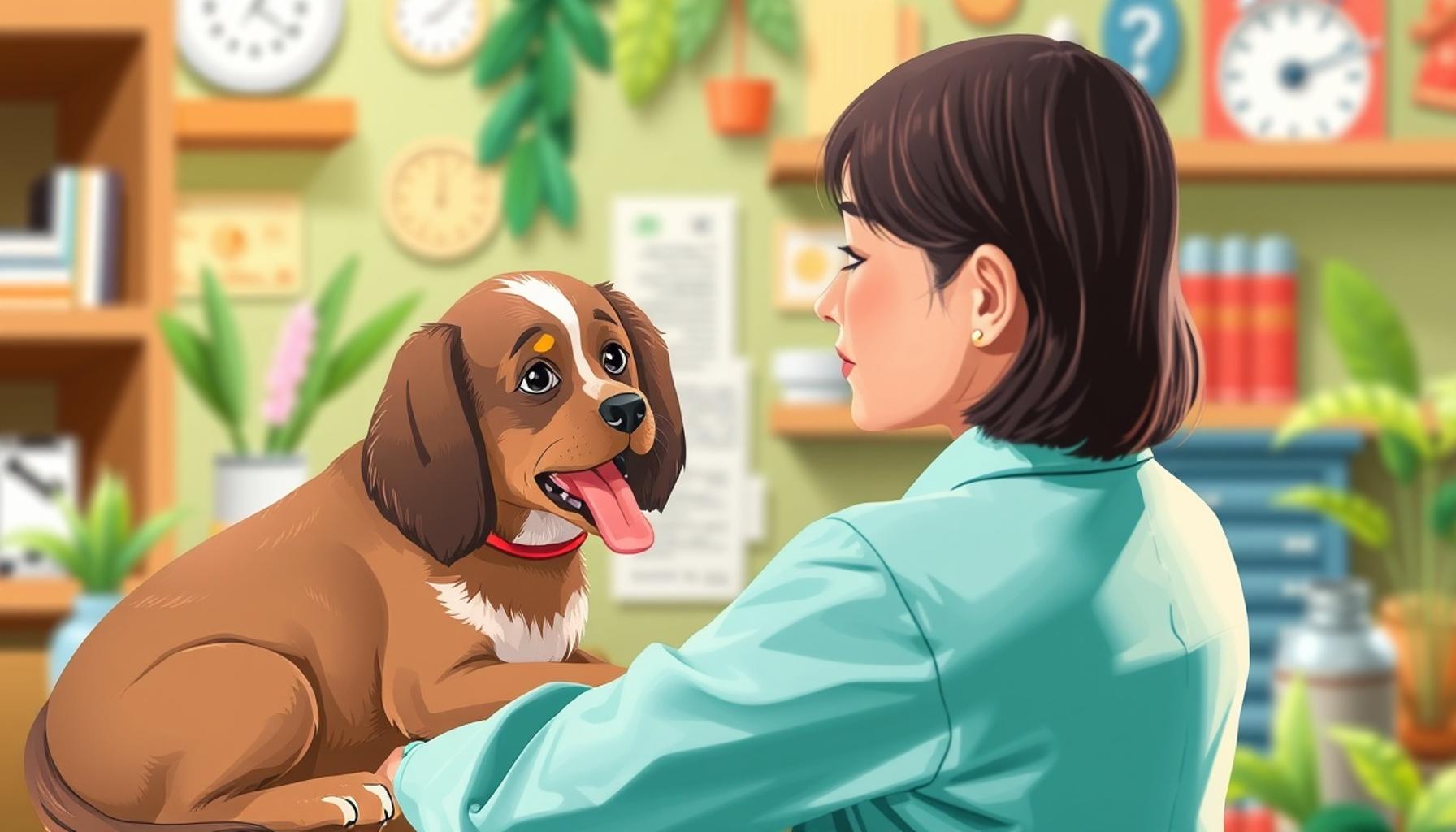
Tips for Integrating Your Adopted Pet into Your Family and Other Animals

Integrating Your Adopted Pet: A Journey of Love and Understanding
Welcoming an adopted pet into your household is often a celebration of compassion and commitment. Nonetheless, the journey of integrating this new family member can come with its own set of challenges, particularly when there are existing family members or pets that also need to adjust. Striving to create a nurturing and harmonious environment is not just beneficial for the new pet but essential for all involved—for the humans as well as the other animals.
Space Management
One of the most crucial steps in ensuring a smooth transition is space management. Every pet deserves a corner of the house that belongs solely to them, where they can retreat when feeling overwhelmed. For instance, setting up a cozy bed, a food and water station, and some toys in a specific area can help your new furry friend feel secure. This is especially important if you have other pets, as it allows everyone to have their own sanctuary during the adjustment period.
Introduce Slowly
Introducing your new pet slowly to other family members and pets is essential for minimizing stress and potential conflicts. Start by allowing them to sniff each other through a closed door or baby gate. After a few days, if all parties seem calm, you can allow brief face-to-face interactions under supervision. Use toys or treats to create positive associations with each other. This gradual approach helps reduce anxiety and creates a safe environment for both your new and existing pets.
Positive Reinforcement
Utilizing positive reinforcement can be incredibly effective during this transitional phase. Rewarding all pets with treats and praise for good behavior when they are calm around each other builds a reassuring atmosphere. For example, if your resident dog behaves well when the new cat is present, offer a favorite chew or a pat on the back. This tactic not only reinforces desirable behaviors but also fosters trust among all pets involved.
Understanding the unique background and personality of your adopted pet can significantly ease their integration into your family. Take time to learn if they have had prior interactions with other animals or if they have experienced trauma; such experiences can shape their behavior and reactions. You would be surprised how many dogs and cats in shelters are there because their previous owners could not manage a transition period effectively.
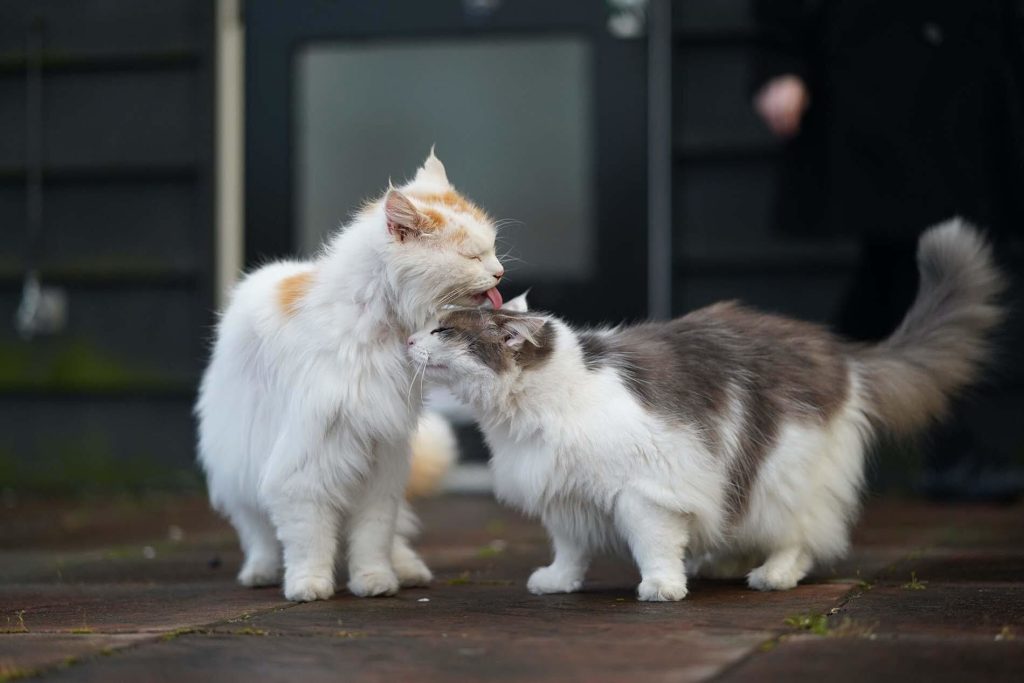
According to research, approximately 3.2 million animals enter U.S. shelters each year, emphasizing the importance of finding loving homes for these deserving pets. By facilitating a successful transition, you not only provide your new pet with a better life but also strengthen the bonds within your family. Building a nurturing atmosphere tailored to the needs of each animal can pave the way for peaceful coexistence and a fulfilling companionship.
Explore additional strategies such as socialization classes, workshops, and community resources that can provide support during this journey. Educating yourself about animal behavior and training techniques will not only enrich your life but will also ensure that every member of your household—two-legged and four-legged alike—thrives in harmony.
Creating a Welcoming Environment for Your Adopted Pet
As you embark on the journey of integrating your adopted pet into your family, understanding the dynamics of your household becomes crucial. The initial days are filled with excitement, but there’s also an underlying need to cultivate a nurturing environment where everyone can thrive. Here are some tips to help ensure a harmonious home for your new family member and the others already sharing your space.
Establish a Routine
Establishing a consistent routine is vital for helping your adopted pet, as well as your current pets, feel more secure. Animals thrive on predictability, and a well-structured daily plan can aid in alleviating their anxieties. Consider including the following elements in your routine:
- Feeding Times: Set regular mealtimes, as knowing when to expect food can reduce stress for your pets.
- Walks and Exercise: Scheduled walks not only provide physical exercise but also offer socialization opportunities.
- Training Sessions: Incorporate short training sessions that promote bonding and teach good behaviors.
- Playtime: Dedicate time each day for play, helping your adopted pet to build trust and feel part of the family.
Comfort Through Familiarity
Utilizing items that bring comfort can ease the transition for your new pet. Familiar smells can provide a sense of security, so consider the following tips:
- Blankets and Toys: If you can obtain items from the shelter where your pet originated, such as a used blanket or toys, it may ease their adjustment.
- Personal Belongings: Create a special space in your home with the new pet’s belongings, allowing them to gradually explore their new environment at their own pace.
- Routine Hiding Spots: Promote safe zones where pets can hide or relax, such as behind furniture or in crates. This encourages them to retreat when feeling overwhelmed.
Monitor Interactions
During the initial integration phase, monitoring interactions is crucial to prevent any conflicts or stressors. When pets first meet, be observant. Watch for signs of aggression or anxiety, such as growling, barking, or hiding. If you notice any negative behaviors, intervene immediately and separate the pets to maintain a peaceful atmosphere. It’s also helpful to engage with positive distractions. Use toys or treats to keep the atmosphere light and enjoyable during interactions.
Remember, patience is essential. The transition may take weeks or even months, depending on the individual personalities involved. Your focus should be on nurturing bonds within your family, which will ultimately create a comfortable and loving environment for everyone.
By remaining aware of each pet’s needs and behaviors, you can foster a sense of community that thrives on acceptance and love, inevitably leading to a stronger family unit. Educating yourself about the different needs your pets have can pave the way for a successful integration process. From reading up on animal behavior to connecting with local resources, taking proactive steps will ensure that both your adopted pet and your current companions thrive together.
Integrating an adopted pet into your family can be a rewarding yet challenging experience. It’s essential to consider both your new pet’s personality and the dynamics of your household. Understanding each family member’s role can help create a harmonious environment where both pets and people thrive.
Set Up a Safe Space
Initially, provide your new pet with a dedicated area that feels safe and comfortable. This space should include their bedding, food, and water bowls. Offering a sanctuary allows your pet to decompress and acclimatize to their new surroundings without feeling overwhelmed.
Introduce Family Members Gradually
When it comes to introducing your new pet to other family members or pets, take it slow. Allow the initial encounters to take place in a controlled manner. For dogs, keeping them on a leash can help maintain control during meetings with other pets. For cats, letting them roam freely but observing their interactions with other animals is helpful. These gradual introductions can reduce anxiety and promote understanding among family members.
Establish a Routine
Animals thrive on routine, and establishing a consistent feeding, training, and exercise schedule can help ease the transition. Ensure everyone in the family is on the same page regarding your pet’s needs. This structured environment fosters security and helps your new furry friend feel like part of the family.
Positive Reinforcement
Utilize positive reinforcement techniques to encourage desired behaviors. Reward your pet with treats, praise, or playtime when they exhibit good behavior, such as using their designated bathroom area or being gentle with family members. This approach not only strengthens the bond between your pet and family but also encourages learning and adaptation.
Patience Is Key
Remember, integrating a new pet is a process that requires time and patience. Every pet has its unique personality and adjustment timeline. The more understanding and persistence you show, the more smoothly your pet will adjust to their new life.
By implementing these tips and considering both your family’s and your pet’s needs, you’ll be on your way to creating a loving and balanced home for everyone involved.
| Category | Advantages |
|---|---|
| Creating a Safe Space | Allows your pet to acclimate at their own pace, reducing stress and anxiety. |
| Gradual Introductions | Promotes positive interactions between pets and family members, fostering confidence. |
| Establishing a Routine | Creates stability for your pet, enhancing their feeling of safety and predictability. |
| Positive Reinforcement | Encourages desired behaviors, strengthening the bond between family and pet. |
| Patience | Understanding individual adjustment rates leads to a more harmonious household. |
Encouraging Positive Interactions Among Pets
Creating a welcoming home environment is just the start; the next step is to foster positive interactions between your adopted pet and the existing members of your family, both human and animal. This process, while rewarding, requires patience and strategic planning. Here are some effective ways to encourage harmonious relationships among pets.
Gradual Introductions
One of the key aspects of ensuring smooth interactions is implementing gradual introductions. Rushing into face-to-face meetings can lead to anxiety or territorial conflicts. Instead, try these strategies:
- Separate Spaces: Initially keep your adopted pet in a separate room. This allows them to acclimatize to the sounds and smells of their new home without overwhelming them.
- Scent Swapping: Exchange blankets or toys between pets to allow them to familiarize themselves with each other’s scent, helping to reduce hostility when they eventually meet.
- Controlled Meetings: When it’s time for a meet-up, keep your adopted pet on a leash or behind a gate. This control can prevent aggressive reactions and emphasize positive associations through treats and praise.
Positive Reinforcement Techniques
Encouraging desirable behaviors through positive reinforcement can work wonders in improving the bond between pets. Here are some ways to do so:
- Treats for Calm Behavior: Whenever your pets interact calmly or show curiosity without aggression, reward them with treats. This builds a link between peaceful behavior and positive outcomes.
- Verbal Praise: Use a soothing tone to praise both pets during interactions. Positive verbal reinforcement can encourage them to feel secure and accepted.
- Consistent Training: Implementing basic commands such as “sit,” “stay,” or “leave it” can help maintain order during introductions and create a sense of control over the environment.
Understanding Body Language
A crucial component of ensuring peaceful interactions involves comprehending animal body language. Pets communicate their feelings through various signals. Familiarizing yourself with these cues can help you assess the emotions of both your adopted pet and existing animals:
- Tail Position: A wagging tail can imply excitement, but a low or tucked tail may indicate fear or submission. Understanding these signals can guide your approach to interactions.
- Ear Position: Ears up and facing forward typically signal curiosity and openness, while ears pulled back can mean a pet is feeling defensive or anxious.
- Body Posture: Observe how pets hold themselves. A relaxed, loose body indicates comfort, whereas a stiff, tense posture may suggest potential conflict.
Enhancing your understanding of how pets relate to one another will better prepare you for intervening if necessary. Making note of these behavioral cues can also serve as early warning signals of impending issues.
Remember, the integration of your newly adopted pet into your family—and particularly with other pets—may take time. Celebrate small victories and adjustments during each step of this process. By fostering a supportive environment where patience reigns, you’ll contribute to developing lasting relationships within your household, making it a cherished home for all your furry companions.
Conclusion
Successfully integrating an adopted pet into your family and existing animals is a journey that demands time, effort, and understanding. As highlighted throughout this article, gradual introductions, the use of positive reinforcement, and an awareness of animal body language are fundamental strategies for fostering a peaceful coexistence. These techniques not only prevent potential conflicts but also build a bond of trust between your adopted pet and family members, enhancing overall harmony.
It’s important to remember that the pace of integration can vary significantly depending on the personalities of your pets. Therefore, being observant and patient is crucial. Each small step toward friendship deserves recognition, as these moments contribute to a loving and stable environment where all your furry companions can thrive. Adopting a new pet should be celebrated, as it offers the chance to enrich your life and those around you.
As you embark on this rewarding process, remain open to learning about the unique needs and behaviors of each member of your household, both human and animal. Your commitment not only ensures the well-being of your adopted pet but also promotes a cohesive family unit, making your home a sanctuary for everyone involved. For more resources and supportive communities, consider reaching out to local shelters and pet behavior specialists who can offer continuous guidance on this fulfilling journey.