Tips for Preparing Natural and Healthy Food for Dogs and Cats
Introduction
Feeding your furry friends natural and healthy food is one of the best ways to ensure their well-being. Just like humans, pets require a balanced diet that caters to their specific nutritional needs. The shift towards preparing homemade meals for pets reflects a growing awareness of the importance of quality nutrition. Not only can homemade pet food enhance their health, but it also lays the groundwork for a stronger bond between you and your pets as you share the experience of meal preparation.
To successfully transition to homemade pet food, there are several key aspects to consider:
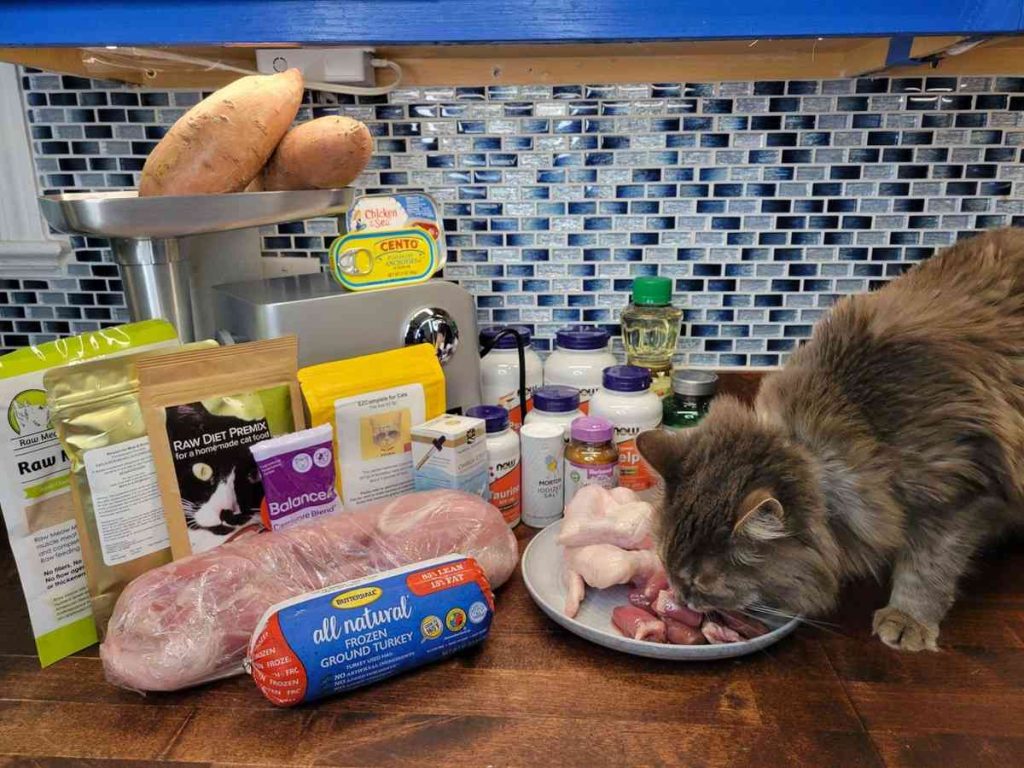
- Understanding Nutritional Requirements: Dogs and cats have distinct dietary needs. For instance, dogs are omnivores and can thrive on a diverse diet that includes both animal proteins and plant-based foods. In contrast, cats are obligate carnivores, meaning they require a diet primarily composed of animal flesh to meet their nutritional needs. For a healthy dog meal, you might combine lean meats like chicken or turkey with vegetables such as carrots and peas. For cats, recipes should prioritize protein-rich options like fish or chicken, often combined with organ meats to provide essential nutrients like taurine.
- Choosing High-Quality Ingredients: Selecting fresh, organic ingredients whenever possible plays a crucial role in your pet’s nutrition. Look for meats sourced from reputable suppliers and organic vegetables to minimize exposure to pesticides and other harmful additives. For instance, rather than choosing highly processed pet food, you could prepare a meal that includes brown rice, peas, and diced chicken. You can adapt seasonal vegetables into your pet’s meals as well, ensuring they enjoy variety and freshness all year round.
- Avoiding Harmful Foods: It is vital to familiarize yourself with foods that pose a risk to pets. Certain common foods can be toxic to animals, including chocolate, onions, garlic, grapes, and even avocados. For example, chocolate contains theobromine, which can be poisonous to dogs, leading to severe health issues. Keeping this in mind, always research any new ingredient before introducing it into your pet’s diet.
The benefits of homemade pet food extend beyond mere health improvements. Many pet owners report enhanced energy levels and more controlled weight management in their animals after making the switch. Additionally, by preparing food at home, you are in control of portion sizes and can cater to any specific dietary restrictions or allergies your pet may have.
As more pet owners become aware of the significance of quality nutrition, they are seeking alternatives to traditional commercial pet foods. Understanding the balance of nutrients, like proteins, fats, carbohydrates, vitamins, and minerals, is crucial for providing a comprehensive diet for your pets. This knowledge not only ensures their health but also fosters a more meaningful connection between you and your furry companions.
Are you eager to start preparing delightful, tailored dishes for your four-legged friends? Let’s explore essential tips and simple recipes designed to lead to a happier, healthier life for your beloved pets. With a little creativity and attention to detail, you can embark on this rewarding culinary adventure!
Essential Tips for Homemade Pet Meals
As you embark on the journey of preparing natural and healthy food for dogs and cats, it’s vital to be informed and mindful of how to meet their specific dietary requirements. Here are some essential tips to guide you in crafting nutritious meals tailored to your pets’ needs.
1. Balancing Macronutrients
Understanding the right balance of macronutrients—proteins, fats, and carbohydrates—is crucial for creating wholesome meals. For your dog, aim for a composition of approximately 40% protein, 50% carbohydrates, and 10% fats. In contrast, cats should receive around 70% protein, 20% fats, and only 10% carbohydrates. High-quality protein sources include:
- Chicken or Turkey: Lean and easily digestible, perfect for both dogs and cats.
- Fish: Salmon and sardines are rich in omega-3 fatty acids, which are great for skin and coat health.
- Beef: A good option for dogs, but should be fed in moderation and combined with vegetables.
For carbohydrates, feel free to utilize brown rice, sweet potatoes, and quinoa, while healthy fats can come from sources like flaxseed oil or coconut oil. Tailoring these components will ensure your pets receive a balanced diet that supports their growth and energy levels.
2. Introducing Variety
Much like us, pets can benefit significantly from a diverse diet. Incorporating various meats and vegetables not only prevents boredom but also exposes them to a broader spectrum of nutrients. This can mean periodically swapping out vegetables or proteins, introducing spinach, carrots, peas, and pumpkin into your pet’s meals. Consider rotating ingredients to keep things fresh; for instance, try mixing different types of proteins weekly or alternating between leafy greens and root vegetables. This not only adds excitement to their meals but also allows for a balanced intake of different vitamins and minerals.
3. Monitoring Portion Sizes
Portion control plays a vital role in maintaining your pet’s health and preventing obesity. Different breeds and sizes of dogs and cats will have distinct caloric needs, so it’s important to consult feeding guidelines or a veterinarian for recommendations. For example, a standard rule of thumb for dogs is that they should consume 2-3% of their body weight in food daily, while cats typically need around 1-2% of their body weight. Using a kitchen scale can help ensure you’re providing the right amount and can prevent overfeeding.
4. Adding Supplements Wisely
Sometimes, despite your best efforts, homemade meals may still lack certain nutrients. It’s wise to consider supplements to fill in these gaps. Essential additions could include:
- Fish Oil: Rich in omega-3 fatty acids.
- Probiotics: Good for gut health and digestion.
- Vitamins and Minerals: Tailored blends can ensure comprehensive nutrition.
Always consult with your vet before introducing supplements to determine what is necessary and safe for your pet.
By embracing the art of making homemade meals enriched with a variety of ingredients, balanced macronutrients, mindful portion control, and potentially necessary supplements, you’re on the right track to improving your pet’s overall health and happiness. Every meal is an opportunity to show your love, so let’s transform your culinary skills into a tasty adventure for your beloved pets!
| Category | Advantages |
|---|---|
| Natural Ingredients | Using fresh, whole foods can improve your pet’s overall health and vitality. |
| Improved Digestion | Natural foods are less likely to cause allergies and digestive issues compared to commercial pet foods. |
| Customizable Diet | You can tailor meals to your pet’s specific dietary needs or restrictions. |
| Boosted Energy Levels | Providing high-quality nutrients directly affects your pet’s energy and activity levels. |
| Stronger Immune System | Whole, natural foods strengthen your pet’s immune system, reducing the risk of illness. |
When considering tips for preparing natural and healthy food for dogs and cats, focusing on the ingredients you use is fundamental. Fresh fruits and vegetables can be a great addition, providing essential vitamins and minerals. Additionally, avoiding preservatives and artificial flavors found in commercial pet food can lessen health risks.Cooking methods also play a crucial role. Avoid frying and opt for steaming or boiling methods to retain the most nutrients while ensuring the meals are tasty for your pets. Remember, it’s essential to consult with a veterinarian or a pet nutritionist before making significant changes to your pets’ diets. This advice ensures that they are receiving all necessary nutrients while avoiding harmful foods, enhancing their longevity and overall life quality. By experimenting with various recipes and focusing on quality ingredients, you can significantly contribute to your furry friends’ well-being.
Exploring Ingredients and Cooking Methods
Delving deeper into the world of homemade pet meals, understanding the right ingredients and cooking methods is equally important. Pets, just like people, can respond positively or negatively to certain foods, so knowledge is key in ensuring we provide the best for them. Here are some additional tips to consider when preparing natural and healthy food for your canine and feline companions.
1. Choosing Pet-Safe Ingredients
Many common foods are safe for human consumption but can be harmful or even toxic to pets. Familiarize yourself with foods that should be avoided in your pet’s diet. For instance, never include:
- Onions and Garlic: These can damage red blood cells in both dogs and cats.
- Chocolate: Contains theobromine, which is poisonous to pets.
- Grapes and Raisins: Known to cause kidney failure in dogs.
In addition to avoiding harmful foods, it’s essential to source quality ingredients. Locally sourced meats and organic vegetables can enhance the nutrition of your pet’s meals. These options often contain fewer preservatives and hormones, creating healthier meals in comparison to processed food products.
2. Cooking Methods Matter
The manner in which you prepare your pet’s meals can also influence their health. Cooking methods like boiling, steaming, or baking preserve nutrients and avoid unhealthy fats. For example, steaming vegetables can keep essential vitamins intact while ensuring they are easier to digest. Additionally, overcooking can strip food of its nutrients, so it’s best to cook proteins until thoroughly done, without unnecessary extended cooking times.
For pets that enjoy raw diets, ensure that ingredients are fresh and sourced from trusted suppliers to minimize the risks of bacterial contamination. Always talk to your veterinarian before making significant dietary changes, especially regarding raw food preparations.
3. Understanding Food Formulas for Different Life Stages
Just like humans, pets have unique nutritional needs at different stages of their lives. Puppies and kittens require more calories and nutrient-dense foods for growth, while older pets often need diets tailored to maintain weight and support joint health. Incorporating life stage-specific recipes can enhance the effectiveness of your homemade meals. Ingredients such as:
- Bone Broth: Provides flavor and nutrients beneficial for joint health.
- Green-lipped Mussels: An excellent source of glucosamine and omega fatty acids for senior pets.
Crafting meals with these ingredients can ensure that your pet receives age-appropriate nutrition, promoting longevity and vitality.
4. Keeping Notes and Adjusting Recipes
As with any culinary endeavor, keeping a detailed record of the meals you create can help inform future preparations. Note your pet’s reactions, such as energy levels, coat condition, or digestive health, after introducing new ingredients. This is vital for adjusting recipes to meet their particular needs and preferences over time.
Gathering data will not only allow you to tweak meals for better results but will also serve as an insightful reference should you consult with your veterinarian regarding your pet’s health and dietary habits.
In summary, the journey of preparing natural and healthy food for dogs and cats is multifaceted, involving careful selection of ingredients, appropriate cooking methods, and an understanding of your pet’s individual needs. By exploring these aspects, you significantly enhance the quality of life and nourishment your furry friends receive.
Conclusion: Elevating Your Pet’s Nutrition Journey
In conclusion, the adventure of creating natural and healthy food for dogs and cats is a rewarding endeavor that requires thoughtful consideration and care. By understanding essential ingredients, employing suitable cooking methods, and acknowledging the unique nutritional requirements at different life stages, you can significantly enhance the well-being of your fur babies. Remember that good nutrition is foundational; it fuels their energy, promotes healthy growth, and supports longevity.
Experimenting with pet-safe foods not only allows you to customize meals that satisfy your pet’s tastes but also helps avoid the detrimental effects of processed diets. Highlighted ingredients, such as fresh vegetables, high-quality proteins, and age-appropriate additives, serve as key components that optimize health. Additionally, keeping meticulous records of their reactions and any adjustments made creates a personalized food diary, enabling you to adapt as needed over time.
As you embark on this culinary journey, don’t forget to consult your veterinarian regularly. Their insights can help ensure that your homemade meals meet your pet’s health requirements and dietary needs. By incorporating these tips for preparing natural and healthy food into your routine, you’ll not only foster a deeper connection with your pets but also pave the way for their well-being. Explore, learn, and enjoy the process of nourishing the ones you love the most.