Understanding Nutritional Labels: A Guide to Better Grocery Shopping
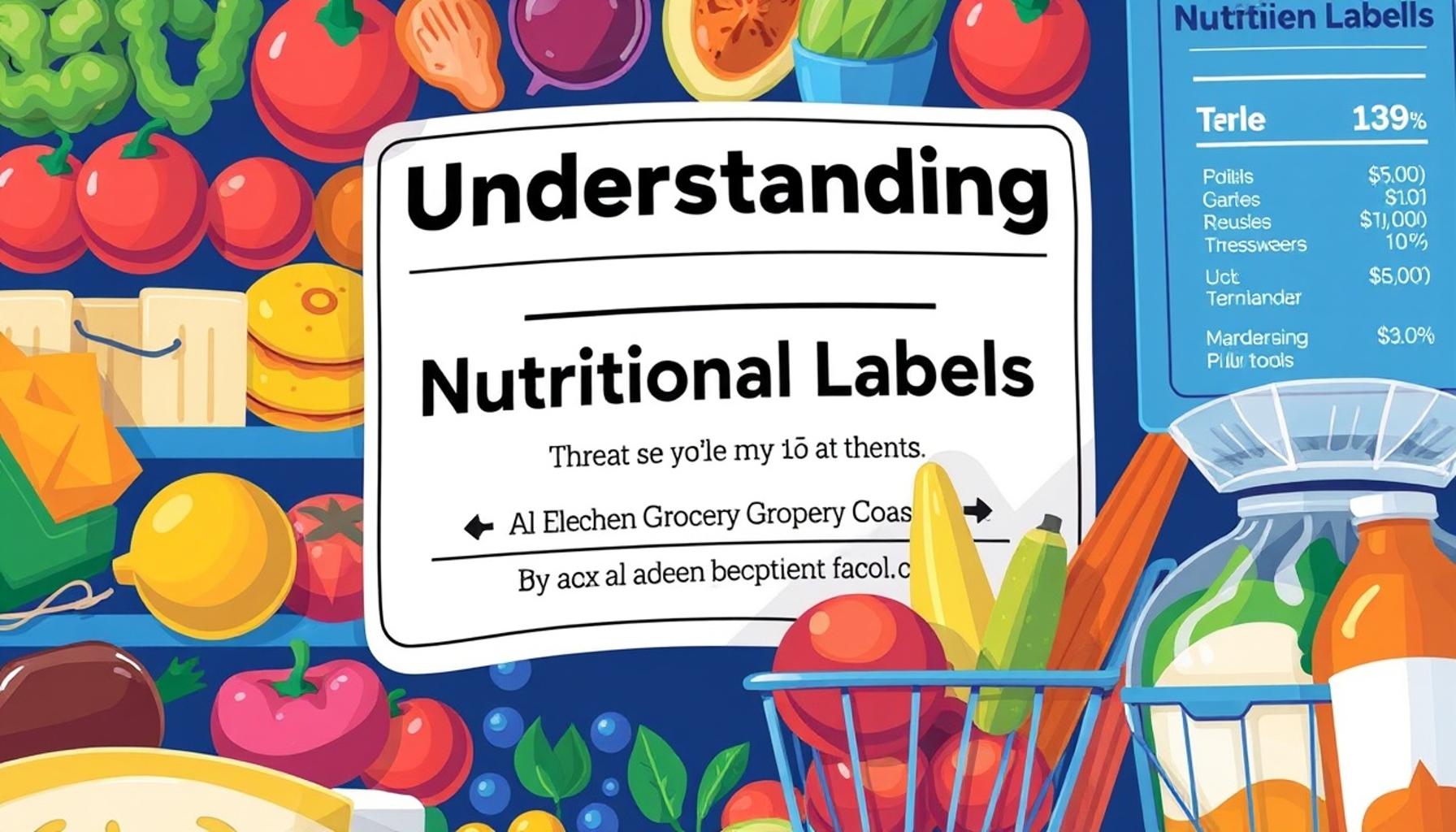
Understanding Nutritional Labels
Staring at a sea of products with colorful packaging can be overwhelming. But deciphering nutritional labels is crucial for making healthier choices while grocery shopping. These labels contain valuable information that can guide you towards better eating habits and help you navigate the myriad of options available in the aisles.
Why Nutritional Labels Matter
- Help you assess caloric intake – Being mindful of calorie consumption is vital for maintaining a healthy weight. For example, if you compare a 100-calorie snack to a 250-calorie counterpart, you might opt for the former if you’re looking to reduce your caloric intake.
- Identify sugar and fat content – The label tells you how much sugar and fat is present. For instance, products marketed as “low-fat” can still be loaded with sugars that negate the benefits. Recognizing this discrepancy can prevent unwanted weight gain and health issues.
- Understand serving sizes – Serving sizes are often much smaller than what people usually consume. A bag of chips may have a serving size of 10 chips, but many snackers eat the entire bag, leading to unintentional overconsumption of calories and fats.
- Spot nutritional value of ingredients – Ingredients are listed in descending order by weight. This means that the first few ingredients make up the bulk of the product. If whole grains or fruits aren’t near the top, it may be wise to consider alternatives.
With many consumers becoming more health-conscious, knowing how to read these labels can empower you. Did you know that the Food and Drug Administration (FDA) has set specific regulations on what must appear on these labels? For instance, the FDA mandates that food manufacturers adhere to standardized serving sizes to help consumers make fair comparisons. Understanding these standards can make a significant difference in your grocery choices.
Key Components to Look For
- Serving Size – This vital component helps determine nutritional information per serving. If you have a granola bar marked as 150 calories per serving, but the serving size is just one bar, it’s essential to keep that in mind when indulging.
- Daily Values – These percentages guide you on how much of a nutrient contributes to your overall diet based on a 2,000-calorie daily intake. For example, if a label shows 20% of your daily value for calcium, that means you’re getting a substantial amount towards your daily needs.
- Ingredient List – Ingredients are listed from highest to lowest quantity. If you recognize ingredients like ‘high fructose corn syrup’ or ‘hydrogenated oils’ near the top, it could signal that the product is less healthy than you desire.
Becoming familiar with these elements enhances your ability to navigate the grocery aisles effectively. More than just numbers, these labels are your roadmap to a healthier lifestyle. By taking the time to understand them, you empower yourself to make informed choices not just for you, but for your family as well. Next time you’re at the store, challenge yourself to read a few labels; you might be surprised at what you discover!
Decoding Nutrition Facts Tables
The Nutrition Facts table is where the heart of nutritional labels lies. This section provides an array of information at a glance, displaying everything from calories to vitamins and minerals.
- Calories – A crucial factor for anyone watching their weight, the calorie count tells you how much energy you’ll gain from consuming the product. This is typically listed prominently atop the Nutrition Facts table. Understanding calorie content allows you to compare similar products more effectively. For instance, you might find two types of yogurt: a full-fat variety at 250 calories and a low-fat option at 150 calories. Choosing one over the other can significantly impact your dietary goals.
- Fats – Look closely at the total fat content. It’s broken down into saturated and trans fats, both of which should be consumed in moderation. Saturated fats can contribute to heart disease if consumed in excess, while trans fats should be avoided entirely, as they have no known health benefits.
- Cholesterol and Sodium – High levels of these components may increase the risk of heart problems. The American Heart Association recommends limiting sodium intake to under 2,300 mg per day, making it essential to keep an eye on these numbers, especially in processed foods.
- Carbohydrates – While essential for energy, not all carbs are created equal. Pay attention to fiber content, which is vital for digestive health, and watch for sugars. The number of added sugars can be eye-opening; excessive sugar intake is linked to various health issues, including obesity and diabetes.
Another vital component of the Nutrition Facts table is the Daily Value (DV) percentages found next to each nutrient. These percentages are based on a 2,000-calorie daily diet, offering a quick reference point to see how a particular product stacks up against your daily nutritional goals. If a food item provides 30% of your daily value for iron, for example, it indicates that the product is a good source of that particular nutrient. However, it’s crucial to recognize that individual nutritional needs may vary depending on age, sex, and activity level.
With the increasing availability of plant-based and organic foods, nutritional labels have also adapted accordingly. Now, you may encounter claims like “gluten-free” or “non-GMO,” which serve to appeal to health-conscious consumers. However, it’s important to remember that just because a product is labeled as such does not automatically mean it’s healthy. Analyzing the Nutrition Facts table will give you a clearer understanding.
Improving your grocery shopping habits begins with becoming acquainted with how to read and interpret these tables. The shift towards healthier eating starts with understanding what you are putting into your body. By navigating through the nutritional landscape skillfully, you not only invest in your health but also send a message to manufacturers about the demand for transparency in food production.
| Category | Details |
|---|---|
| Serving Size | Understanding serving sizes helps in accurately assessing calorie and nutrient intake. |
| Nutritional Information | Detailed information on macronutrients and micronutrients empowers better health choices. |
| Ingredients List | A clear ingredients list enables identification of additives, allergens, or unwanted chemicals. |
| Percent Daily Value | Knowing the %DV helps gauge how a food fits into a daily diet, making it easier to prioritize nutrient intake. |
| Health Claims | Identifying health claims helps consumers discern marketing hype from legitimate nutritional benefits. |
Understanding nutritional labels is essential for better grocery shopping and healthier eating habits. By focusing on the detail of serving sizes, you can more accurately gauge caloric intake, which is particularly important for those looking to lose weight or manage specific dietary needs. The detailed nutritional information, including macronutrients and vitamins, offers valuable insights that lead to informed decisions on food selection.Additionally, a clear ingredients list empowers consumers to identify potentially harmful additives, allergens, or preservatives, promoting safer and healthier food choices. The concept of Percent Daily Value is another critical component, as it allows shoppers to understand how much a specific nutrient contributes to a daily diet, thus influencing their purchases effectively.Lastly, being aware of health claims present on packaging helps differentiate between genuine health benefits and marketing strategies, guarding against misinformation. Ultimately, mastering nutritional labels not only enhances grocery shopping efficiency but also significantly improves overall wellness.
Navigating Ingredient Lists
While the Nutrition Facts table provides a snapshot of the nutritional profile of a food item, the ingredient list offers a deeper understanding of what you’re actually consuming. Ingredients are listed in descending order by weight, meaning the first few ingredients make up the bulk of the product. This is crucial for highlighting the quality and identity of what you’re eating.
- Whole Grains vs. Refined Grains – Look for terms like “whole grain” or “whole wheat” in the ingredient list. These indicate that the entire grain kernel is used, retaining more nutrients and fiber compared to refined grains, which have been stripped of beneficial components. For instance, whole wheat bread is typically a healthier choice than white bread due to its higher fiber content.
- Added Sugars – Ingredients often disguise added sugars under various names—such as cane sugar, high-fructose corn syrup, or honey. Being aware of these different terms can help you avoid consuming excessive sugar. The American Heart Association recommends limiting added sugars to about 6 teaspoons for women and 9 teaspoons for men daily.
- Artificial Ingredients – Many processed foods contain artificial preservatives, colors, and flavors. Products with shorter ingredient lists—and fewer artificial elements—are often the healthier choice. For instance, a tomato sauce made with simple ingredients like tomatoes, garlic, and olive oil is generally superior to one with a long list of chemical additives.
- Dietary Needs and Allergens – For those with allergies or specific dietary preferences, ingredient lists serve as critical tools for identification. Look for alerts indicating the presence of common allergens like peanuts, soy, dairy, or gluten. Additionally, if you’re vegan or vegetarian, checking for animal-derived ingredients, such as gelatin or certain emulsifiers, is essential.
Understanding ingredient lists is not only about avoiding unhealthy elements but also embracing foods that nourish your body. By prioritizing ingredients that you can recognize, you pave the way for healthier decisions in the grocery store. This focus on transparency can lead you to explore brands that prioritize clean, wholesome ingredients.
The Role of Claims on Packaging
Many products come with claims that can be misleading or confusing. Terms like “natural,” “organic,” or “light” offer consumers a sense of healthfulness, but these terms often have varying definitions and may not always indicate a healthier choice. For instance, the term “natural” is not strictly regulated and can apply to a range of products, which might still be high in sugars or fats.
- Organic Labels – In the United States, the USDA regulates organic labels. Products labeled “100% Organic” must contain only organic ingredients, while “Organic” means at least 95% of ingredients are organic. If you are keen on minimizing pesticide exposure, choosing organic fruits and vegetables can be advantageous.
- Heart-Healthy Claims – Products may flaunt heart health claims based on their fat composition or added nutrients, like omega-3 fatty acids. However, it’s essential to check the complete nutritional profile as some may still contain high levels of sodium or added sugars that can counteract the health benefits.
A pivotal aspect of grocery shopping is discerning the validity of claims and marketing language used on packaging. Understanding what these terms mean empowers you to make choices aligned with your health goals, rather than being swayed by cleverly designed labels.
Incorporating knowledge from both the Nutrition Facts table and ingredient lists into your shopping routine can transform how you view food and nutrition. As awareness increases and consumers actively seek better options, it’s vital to take advantage of the information already available on the shelves.
Conclusion
In today’s health-conscious society, understanding nutritional labels is more than just a shopping strategy—it’s a pathway to informed eating decisions. By examining both the Nutrition Facts table and ingredient lists, you can gain invaluable insights into the foods you select for yourself and your family. This knowledge is essential not only for maintaining a balanced diet but also for navigating the complex world of marketing claims that often cloud our choices.
Embracing whole foods rich in nutrients while being vigilant about added sugars and artificial ingredients can significantly enhance your dietary habits. Moreover, understanding terms like organic or heart-healthy enables you to decipher claims that may not always align with your health goals. As you familiarize yourself with these labels, you will find it easier to avoid common pitfalls, make healthier selections, and ultimately foster a more nutritious lifestyle.
By becoming a savvy shopper, you also empower yourself to support brands that prioritize quality and transparency in their products. Armed with this knowledge, you can make grocery trips not just a routine task, but an opportunity to cultivate your health and well-being. As you continue to explore the aisles, remember, every label tells a story—make sure yours is one of informed choices and nourishing foods.