Why Consider Rodents as Pets: Advantages and Challenges of Having Hamsters and Guinea Pigs

Understanding Your Choices in Rodent Companionship
Choosing a pet can often be a daunting task, with a plethora of options available, each promising companionship and joy. Among the top contenders in the rodent family are hamsters and guinea pigs. Both have found a special place in the hearts of many animal enthusiasts across the United States, thanks to their charming characteristics and unique personalities. However, these lovable rodents come with distinctive advantages and specific challenges that potential owners should consider before making a commitment.
Both hamsters and guinea pigs offer a wonderful companionship experience, but their care requirements and behavior are notably different. Let’s examine these differences in more detail:
- Hamsters: Renowned for their energetic antics, hamsters are small creatures that typically require less space compared to larger pets. They are ideal for those living in apartments or homes with limited room. Their playful nature and nocturnal habits make them entertaining to watch, especially as they scurry around their cages or exercise wheels. Additionally, hamsters are generally low-maintenance, needing only basic supplies such as food, bedding, and a suitable cage that allows for exploration.
- Guinea Pigs: In stark contrast, guinea pigs are social animals that thrive when they have companions. These charming rodents are known for their affectionate and gentle demeanor, often forming strong bonds with their owners. It’s common for experienced guinea pig owners to recommend keeping them in pairs or larger groups to meet their social needs. Moreover, guinea pigs are vocal creatures that communicate their feelings through a variety of sounds like squeaks and purrs, adding another layer of interaction for their owners to enjoy.
In light of these differences, potential pet owners should also reflect upon several other important aspects:
- Space Requirements: While hamsters can comfortably inhabit a small cage, guinea pigs require a more spacious enclosure. The ideal setup for guinea pigs is a cage that offers ample floor space for them to roam and play, with either a single level or multiple levels.
- Socialization: The contrast in social behavior is significant—hamsters are solitary by nature and generally prefer their own company, while guinea pigs become stressed or lonely without the presence of their peers. This difference makes social interactions and bonding crucial in the care of guinea pigs.
- Care Needs: Both hamsters and guinea pigs need specific health care and nutrition. While hamsters have simple dietary needs focusing on pellets and occasional treats, guinea pigs require a diet rich in vitamin C, often derived from fresh vegetables and specially formulated pellets.
Whether you are attracted to hamsters for their playful charm or captivated by guinea pigs for their affectionate nature, each type of rodent reveals fascinating insights into the joys of pet ownership. We encourage you to explore the advantages and challenges of having hamsters and guinea pigs, as understanding these factors will empower you to make a well-informed decision that best suits your lifestyle and pet preferences.
The Pros and Cons of Choosing Hamsters and Guinea Pigs
When considering a rodent as a pet, it is essential to weigh the advantages and challenges that hamsters and guinea pigs present. Though both animals can provide endless joy, their care requirements, social behaviors, and interaction levels can differ significantly. Understanding these factors will be pivotal in making the right choice for your lifestyle.
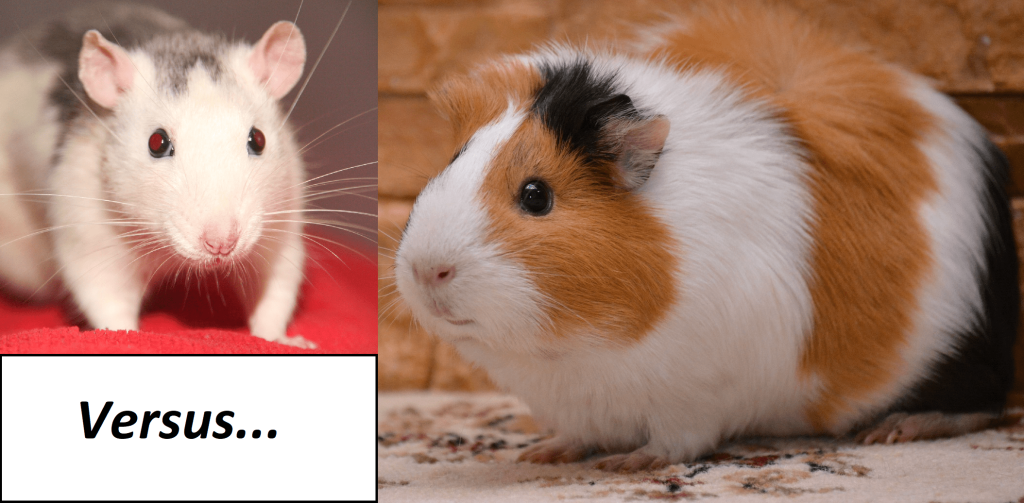
Advantages of Owning Hamsters
- Low Maintenance: Hamsters are known for their independent nature, which often translates to lower maintenance needs. A simple setup including bedding, food, and a few toys can keep them happy, making them a practical choice for busy individuals or families.
- Space Efficiency: Ideal for smaller living spaces, hamsters require less room than larger pets. A standard hamster cage can easily fit on a desk or a small corner of your living room, providing users with flexibility in terms of where they can create a welcoming space for their new friend.
- Unique Personalities: Each hamster has its own quirks and behaviors, making them an exciting pet to observe. Their nocturnal activities often mean they are liveliest when most owners can settle down and enjoy entertaining antics, providing a unique bonding opportunity.
Challenges of Owning Hamsters
- Limited Social Interaction: While hamsters can be entertaining, they are primarily solitary creatures. This aloof nature can sometimes make them less engaging than other pets, as they don’t typically seek out interaction or cuddles.
- Nocturnal Habits: Their nighttime behavior can be a double-edged sword. Although active during the evening, hamsters may disrupt your sleep if they are housed in close proximity, given their instinct to run on wheels and explore during the night.
Advantages of Owning Guinea Pigs
- Highly Social: Unlike hamsters, guinea pigs are friendly and thrive on social interaction. Patience and care in handling can help establish deep bonds between them and their owners, making them rewarding pets for both children and adults alike.
- Vocal Communication: Guinea pigs express themselves through various sounds, including squeaks, purrs, and chirps. These sounds can be delightful to hear and provide a unique dynamic to the pet-owner relationship, enriching interactions.
- Healthy Lifestyle: Due to their social needs, having more than one guinea pig encourages playful interactions, keeping them physically active and mentally stimulated. Owners enjoy watching the charming bonds develop between their pets.
Challenges of Owning Guinea Pigs
- Space Requirements: Guinea pigs need larger cages with adequate space to move and interact, making them less suitable than hamsters for tight living areas. A well-designed enclosure is crucial for their physical well-being.
- Dietary Needs: These creatures have specific nutritional requirements, particularly a diet high in vitamin C. Owners must ensure they provide fresh vegetables and appropriate pellets, which requires more care and investment than feeding a hamster.
In summary, while both hamsters and guinea pigs present enticing options for prospective pet owners, they come with their own set of advantages and challenges. Recognizing these elements can guide you toward a decision that aligns with your home environment and lifestyle preferences, ensuring a fulfilling pet ownership experience.
Challenges of Having Hamsters and Guinea Pigs
While hamsters and guinea pigs can be great companions, they come with their own set of challenges that potential pet owners should consider. Understanding these challenges is crucial for making an informed decision about bringing these small rodents into your home.
Space Requirements
Both hamsters and guinea pigs require adequate space to thrive. Hamsters, although small, need a spacious cage with multiple levels and hiding spots to explore and exercise. Guinea pigs need even more space, requiring a large cage that allows for social interaction and movement. Owners must ensure that they have enough room in their living environments to accommodate these needs, as inadequate space can lead to stress and health issues in these pets.
Social Needs
Guinea pigs are social animals and do best when kept in pairs or small groups. Their social nature means that they require time and attention from their owners. Hamsters, on the other hand, are more solitary but need regular interaction to prevent boredom. Neglecting these social needs can lead to behavioral problems, including aggression or depression.
Health Considerations
Both species are prone to specific health issues. Guinea pigs are susceptible to dental problems and respiratory issues, while hamsters can experience obesity and wet tail, which is a severe digestive condition. Regular veterinary check-ups are essential, and this can be an added cost and responsibility for pet owners. Knowledge about their specific health needs is necessary for their well-being.
Dietary Considerations
Feeding the right diet is critical in keeping hamsters and guinea pigs healthy. Guinea pigs require a diet rich in vitamin C, which is not found in most commercial pellets. Owners must also ensure that both rodents receive a balanced diet of fresh fruits, vegetables, and hay. Failure to provide a proper diet can lead to serious health issues, making it essential to educate oneself on their nutritional requirements.
Noise and Smell
Both hamsters and guinea pigs can be noisy pets, particularly at night. Hamsters are nocturnal and may keep owners awake with their nighttime activities. Guinea pigs will often communicate with each other, which can be quite loud. Additionally, their cages require regular cleaning to prevent odors, which could be a challenge for some owners.In conclusion, while hamsters and guinea pigs can be delightful companions, prospective owners should weigh the challenges they present. Understanding their social needs, dietary requirements, space, and health problems is essential for responsible pet ownership.
Understanding the Lifespan and Health Considerations
Another crucial aspect to consider when choosing a rodent as a pet is their lifespan and corresponding health challenges. Both hamsters and guinea pigs exhibit distinct life expectancies, requiring owners to prepare for different time commitments.
Lifespan of Hamsters
Hamsters generally enjoy a lifespan of about 2 to 3 years, depending on the species. The Syrian hamster may live slightly longer than the dwarf varieties, yet these durations are relatively short for a pet. This limited lifespan means that potential owners must be aware of their long-term commitment to care, including regular vet visits during their lifetimes.
Common Health Issues in Hamsters
- Obesity: A major concern for hamsters, especially if their diet isn’t regulated or if they lack physical activity. Overweight hamsters can suffer from numerous health problems, including diabetes and heart disease.
- Wet Tail: A common disease among young hamsters, wet tail is characterized by diarrhea and requires prompt veterinary attention. Educating oneself on identifying symptoms can significantly impact a hamster’s health.
Lifespan of Guinea Pigs
On the other hand, guinea pigs have a longer lifespan, typically ranging from 4 to 6 years, with some living even longer with the right care. This increased longevity means that potential guinea pig owners should be prepared to integrate these animals into their lives for a more extended period.
Common Health Issues in Guinea Pigs
- Dental Problems: Due to their constantly growing teeth, guinea pigs are prone to dental issues. These problems can lead to pain or difficulty eating if not monitored carefully, making regular dental check-ups essential.
- Respiratory Issues: Guinea pigs are particularly sensitive to environmental conditions, such as temperature fluctuations and poor air quality. Keeping their living conditions clean and free from draft is vital for their health.
Financial Commitment and Budgeting
In addition to understanding health considerations, aspiring pet owners must also recognize the financial commitments associated with owning hamsters and guinea pigs. Although initial setup costs can be manageable, ongoing expenses related to food, bedding, toys, and veterinary care can accumulate.
For hamsters, monthly expenses may be relatively low, often averaging $20 to $50 for proper sustenance and care. In contrast, guinea pig owners may anticipate higher costs. A well-balanced diet of hay, fresh veggies, and store-bought pellets for guinea pigs can run from $30 to $70 a month, factoring in their complex dietary needs.
Moreover, potential emergency veterinary visits can significantly add to the financial responsibility, making it crucial for owners to prepare a budget that encompasses both routine care and potential health crises. By comprehensively assessing these factors, individuals can ensure they are well-equipped for the joys and demands of pet ownership.
Conclusion: Weighing the Pros and Cons of Rodent Companionship
Choosing to bring a rodent like a hamster or guinea pig into your home can lead to a fulfilling companionship filled with unique experiences and joy. The advantages of having these small pets include their manageable size, affordability, and relatively low maintenance requirements compared to larger animals. Their playful and engaging nature can provide endless entertainment, making them great companions for families, singles, or seniors alike.
However, it’s crucial to remain aware of the challenges involved. The short lifespan of hamsters necessitates a quick emotional adjustment, while guinea pigs require a long-term commitment due to their extended lifespans. Potential health issues, such as obesity in hamsters and dental problems in guinea pigs, demand vigilant care and regular veterinary check-ups. Financially, owners should anticipate ongoing expenses beyond initial setup costs, making budgeting an essential part of pet ownership.
Ultimately, understanding these advantages and challenges equips potential pet owners with the knowledge necessary to make informed decisions. By doing thorough research, and giving thoughtful consideration to individual lifestyles, prospective pet owners can positively impact their lives and those of their furry companions. Whether you’re drawn by the charm of hamsters’ antics or the gentle nature of guinea pigs, embracing the responsibilities of rodent ownership can lead to a rewarding and heartwarming partnership.